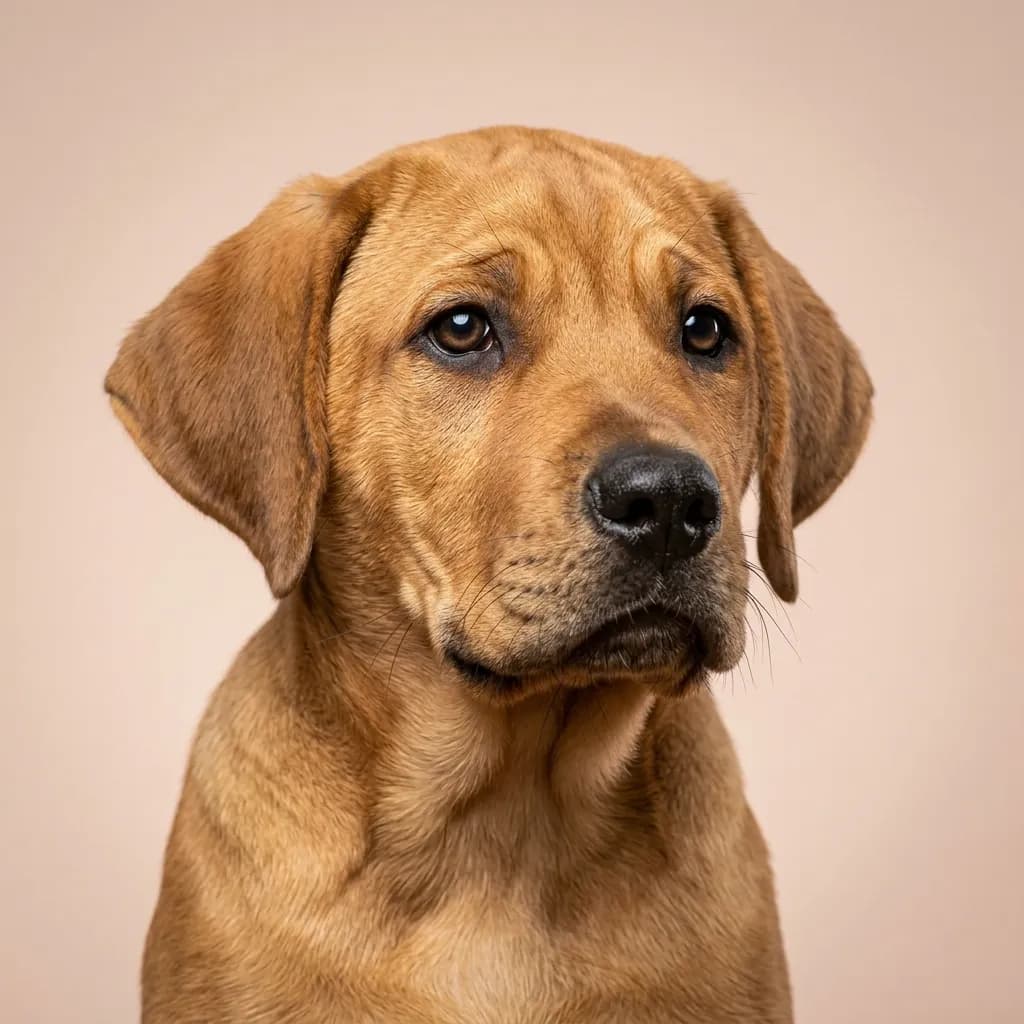
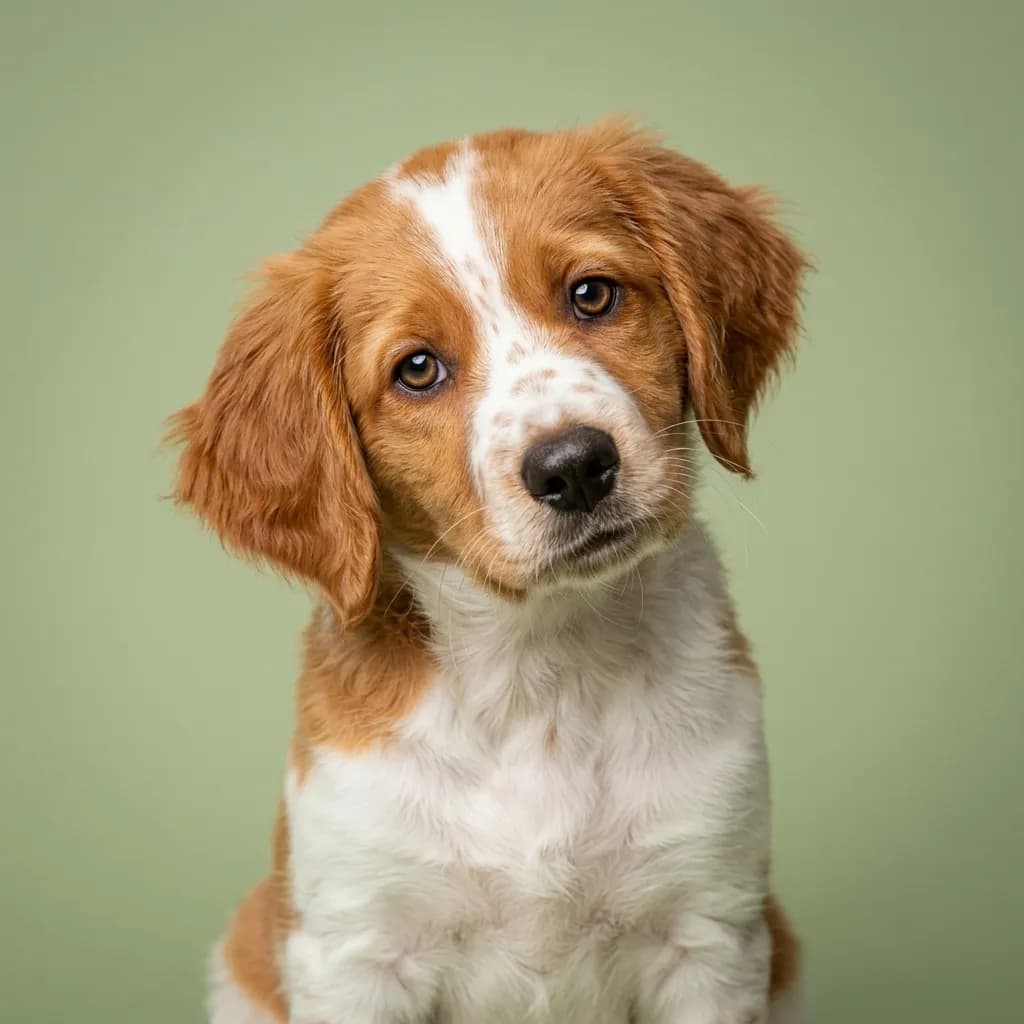
Broholmer vs Drentsche Patrijshond
Side-by-side comparison across all 14 AKC trait ratings, with a clear verdict on which breed fits which kind of household.
Not sure which breed fits your life?
Answer five questions about your home, your schedule, and your tolerance for shedding. We’ll match you to your top three breeds from over 200.
Broholmer vs Drentsche Patrijshond
People compare the Broholmer and Drentsche Patrijshond because both are rare, European-bred dogs with calm exteriors and family-friendly reputations. But that’s where the similarities end. One’s a gentle giant built for standing guard, the other a spring-loaded hunting partner bred to work from dawn to dusk. The Broholmer is the dog you want if you’re looking for a quiet, loving presence that happens to weigh as much as a grown man. These dogs are steady, affectionate, and surprisingly low-energy for their size. You’ll find them lounging in the yard, not digging under fences or barking at squirrels. But their size alone is a commitment . 150 pounds of dog means bloat is a real concern, and you’ll need space, strength, and experience to handle them well. They’re not clowns, not athletes, but loyal companions with a watchful eye. Families with kids can do well by them, but only if they’re prepared for the logistics of a giant breed. The Drentsche Patrijshond? This dog lives to work. It’s a full-throttle companion for hunters or active families who hike, bike, or run. Bred to point and retrieve birds in the marshes of the Netherlands, it’s smart, eager, and thrives on partnership. You can’t park this dog in a backyard and expect contentment. It needs purpose. But if you give it one, you’ll get a deeply bonded, soft-mouthed, kid-loving athlete that’s with you every step. Here’s the real insight: the Broholmer gives you calm, but demands space and strength. The Drent gives you fire, but demands time and direction. Pick the Broholmer if you want a gentle sentinel. Pick the Drent if you want a teammate.
Trait-by-trait
Higher bar = more of that trait. Shedding, barking, drooling, grooming flipped for readability.Where they diverge
Choose the Broholmer if…
- experienced large-breed owners
- families with children
- homes with large yards
- You value drooling level — Broholmer scores noticeably higher.
Choose the Drentsche Patrijshond if…
- hunters
- active families
- outdoor enthusiasts
- You value energy level — Drentsche Patrijshond scores higher here.