Drentsche Patrijshond
A Dutch bird dog that's barely known outside hunting circles, and that's a shame — they're smart, soft-mouthed, and unusually gentle for a sporting breed. Loyal to the whole family rather than just one person, which makes them easier to live with than most pointers. They need real fieldwork or a serious outdoor lifestyle; a casual backyard won't cut it.
Free weekly training plan, specific to your Drentsche Patrijshond’s age. Exactly what to focus on this week.
Get your free training planLiving with a Drentsche Patrijshond
The Drentsche Patrijshond is one of the oldest pointing breeds, developed in the Dutch province of Drenthe as a true all-day hunting companion, equally skilled at pointing, retrieving, and tracking game over rough terrain. This isn’t a flashy show dog or a lazy couch companion. It’s a working gun dog with a purpose, bred to cover miles with a hunter and still come home gentle enough to curl up beside a child.
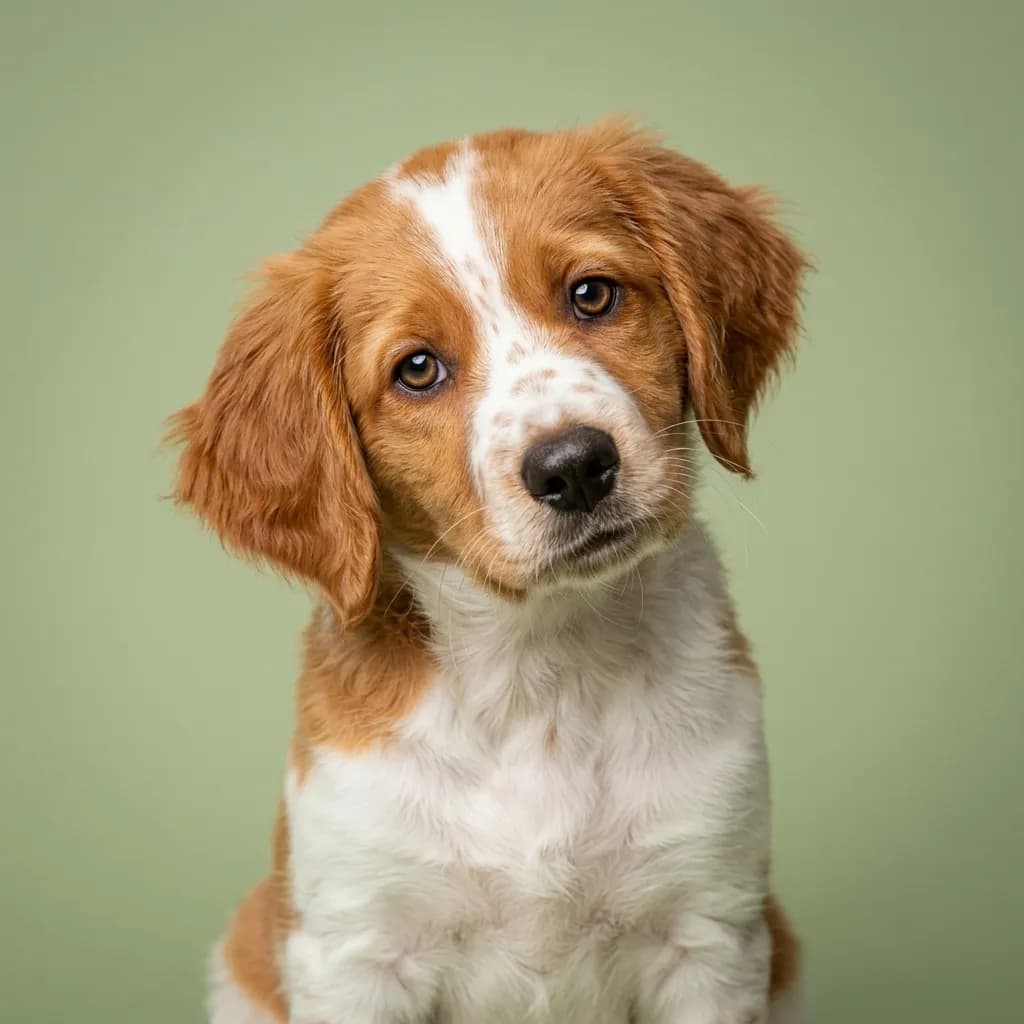
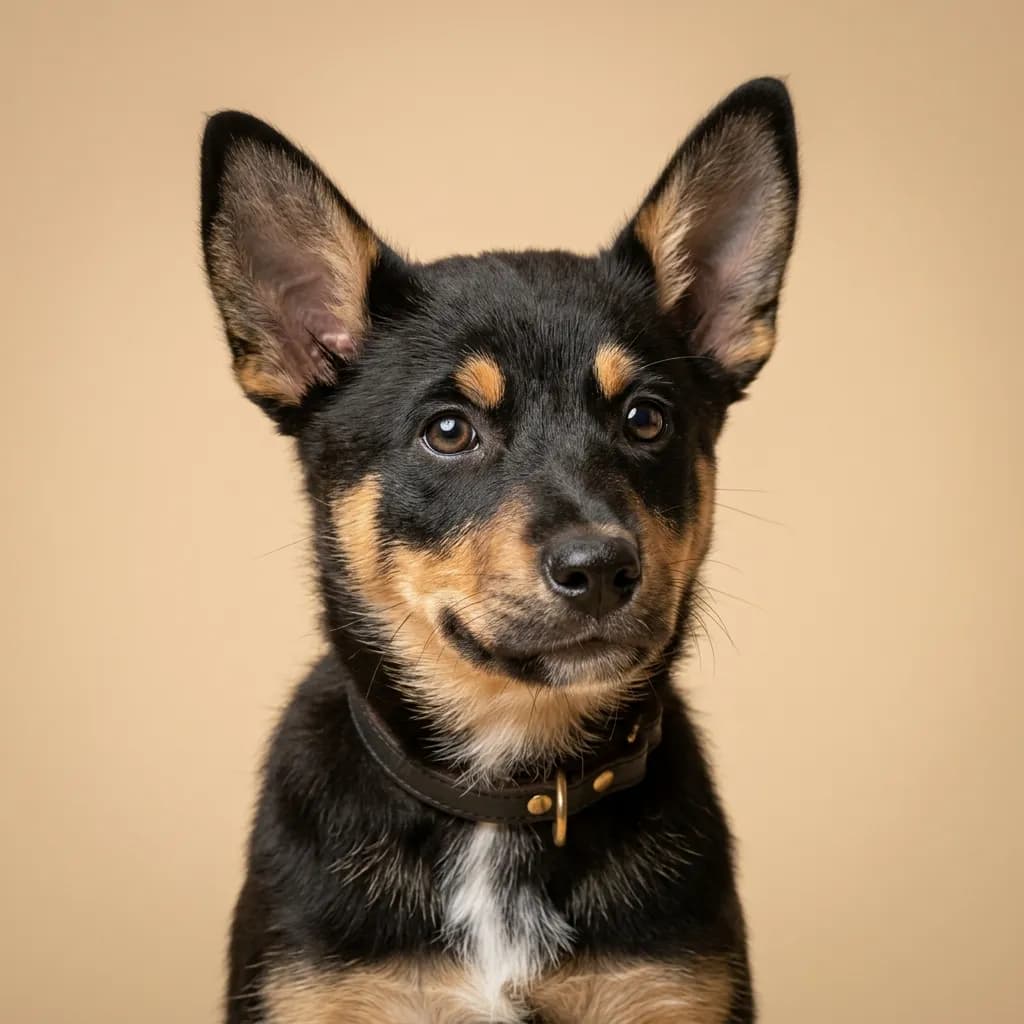
These dogs weigh between 48 and 73 pounds and stand 21 to 25 inches tall, with a striking white coat marked by deep orange patches, often with ticking. They’re elegant but rugged, built for endurance. In daily life, they’re deeply loyal and emotionally in tune with their people.
They’re quiet in the house, not barkers, but they will alert when needed. Don’t mistake their calm indoors for low energy. They’re 5/5 on the energy scale and need serious daily exercise.
We’re talking long hikes, off-leash runs in secure areas, or actual fieldwork. Mental stimulation matters, but not in the way it does for high-strung breeds. They don’t need constant puzzle toys.
What they crave is meaningful activity, hunting, tracking, or structured outdoor sports. Without it, they’ll find their own job, like redecorating your garden or barking at squirrels. Grooming is manageable.
Their medium-length coat sheds moderately. 3/5, and requires brushing once or twice a week, more during seasonal sheds. Ears need regular checks; they’re prone to infections, especially after wet hunts.
Health-wise, you’ll want a reputable breeder who screens for hip dysplasia, hereditary stomatocytosis (a serious red blood cell disorder), and eye conditions. A good Drent lives 11 to 14 years, but skipping genetic testing can cut that short. They’re not for apartment living or people who clock under 5,000 steps a day.
But if you hunt, hike, or train for dog sports, this dog will become your shadow. They’re 5/5 for affection and great with kids, but their size and energy mean supervision is smart around little ones. Here’s the real talk: most people underestimate how much space these dogs need, not just physical, but purpose-driven space.
They’re not happy just existing. They need to do. If you can’t give them a job, look elsewhere.
But if you can, you’ll get one of the most devoted, capable, and quietly brilliant companions in the dog world.
14 traits, at a glance.
Every breed on PuppyBase is rated across the 14 trait dimensions the American Kennel Club publishes — from trainability to drooling level. The higher the score, the better the fit for that trait.
What to expect day-to-day
Things to screen for
- eye conditions
- hereditary stomatocytosis
- Ear infections
- Hip dysplasia
See a full price breakdown — first-year costs, lifetime estimate, breeder vs. adoption.
Full price guideSimilar breeds
Browse all 200+
Common questions
How long do Drentsche Patrijshonds live?
Drentsche Patrijshonds typically live between 11 and 14 years, which is average for a dog of their size. With proper care, regular vet checkups, and a healthy lifestyle, many reach the upper end of that range.
How much does a Drentsche Patrijshond puppy cost?
A Drentsche Patrijshond puppy usually costs between $1,500 and $3,500, with an average price around $2,500. The cost reflects their rarity, working lineage, and the breeder's investment in health testing and field training.
How much do Drentsche Patrijshonds shed?
Drentsche Patrijshonds shed moderately year-round, with no extreme seasonal blowouts. Weekly brushing keeps loose hair under control and helps manage shedding indoors.
What colors do Drentsche Patrijshonds come in?
They come in white with brown or orange patches, as well as brown or orange roan patterns. Their coat is always medium-length with a soft, wavy texture that gives them a rustic, field-ready look.
How big do Drentsche Patrijshonds get?
They stand between 21 and 25 inches tall at the shoulder and weigh between 48 and 73 pounds, with males typically larger than females. They have a balanced, athletic build built for endurance in the field.
Are Drentsche Patrijshonds smart?
Yes, they're extremely intelligent and rank among the most trainable of all sporting breeds. They pick up new commands quickly and thrive on problem-solving, especially when it involves tracking or retrieving.
Are Drentsche Patrijshonds hypoallergenic?
No, Drentsche Patrijshonds are not hypoallergenic. They shed moderately and produce dander, so they’re not a good fit for people with allergies.
Are Drentsche Patrijshonds aggressive?
No, they're not aggressive by nature. They’re loyal and sensitive, with a gentle temperament around people, though they can be reserved with unfamiliar dogs if not socialized early.
What health problems are common in Drentsche Patrijshonds?
Common health issues include hip dysplasia, hereditary stomatocytosis, eye conditions, and ear infections. Responsible breeders screen for these, so ask for health clearances before buying a puppy.
Do Drentsche Patrijshonds bark a lot?
They bark moderately, usually to alert or communicate during work, not out of nuisance behavior. They’re not excessive barkers but will vocalize when something grabs their attention.
Are Drentsche Patrijshonds easy to train?
Yes, they're exceptionally easy to train due to their intelligence and eagerness to please. They respond best to positive, consistent methods and excel in both fieldwork and obedience.
Are Drentsche Patrijshonds good family dogs?
Yes, they’re excellent family dogs, bonding deeply with all household members and showing great patience with children. But they demand an active lifestyle and won’t thrive in a sedentary home.
Are Drentsche Patrijshonds good with cats?
They can live with cats, especially if raised together, but their bird-hunting drive means they may chase small, fast-moving animals. Early socialization and supervision are essential.
Are Drentsche Patrijshonds good hunting dogs?
Yes, they're outstanding hunting dogs, bred for versatile bird work in the Dutch countryside. They point, flush, and retrieve with precision, and their soft mouth ensures game isn’t damaged.
Can Drentsche Patrijshonds live in apartments?
No, they’re not suited for apartment living. They need serious outdoor activity, preferably actual fieldwork or regular off-leash hiking and hunting, to stay balanced and happy.
How much exercise does a Drentsche Patrijshond need?
They need at least 1 to 2 hours of intense daily exercise, including off-leash running, tracking, or retrieving. Without it, they become restless and may develop behavioral issues.
Not sure which breed fits your life?
Answer five questions about your home, your schedule, and your tolerance for shedding. We’ll match you to your top three breeds from over 200.