Broholmer vs Newfoundland
Side-by-side comparison across all 14 AKC trait ratings, with a clear verdict on which breed fits which kind of household.
Not sure which breed fits your life?
Answer five questions about your home, your schedule, and your tolerance for shedding. We’ll match you to your top three breeds from over 200.
Broholmer vs Newfoundland
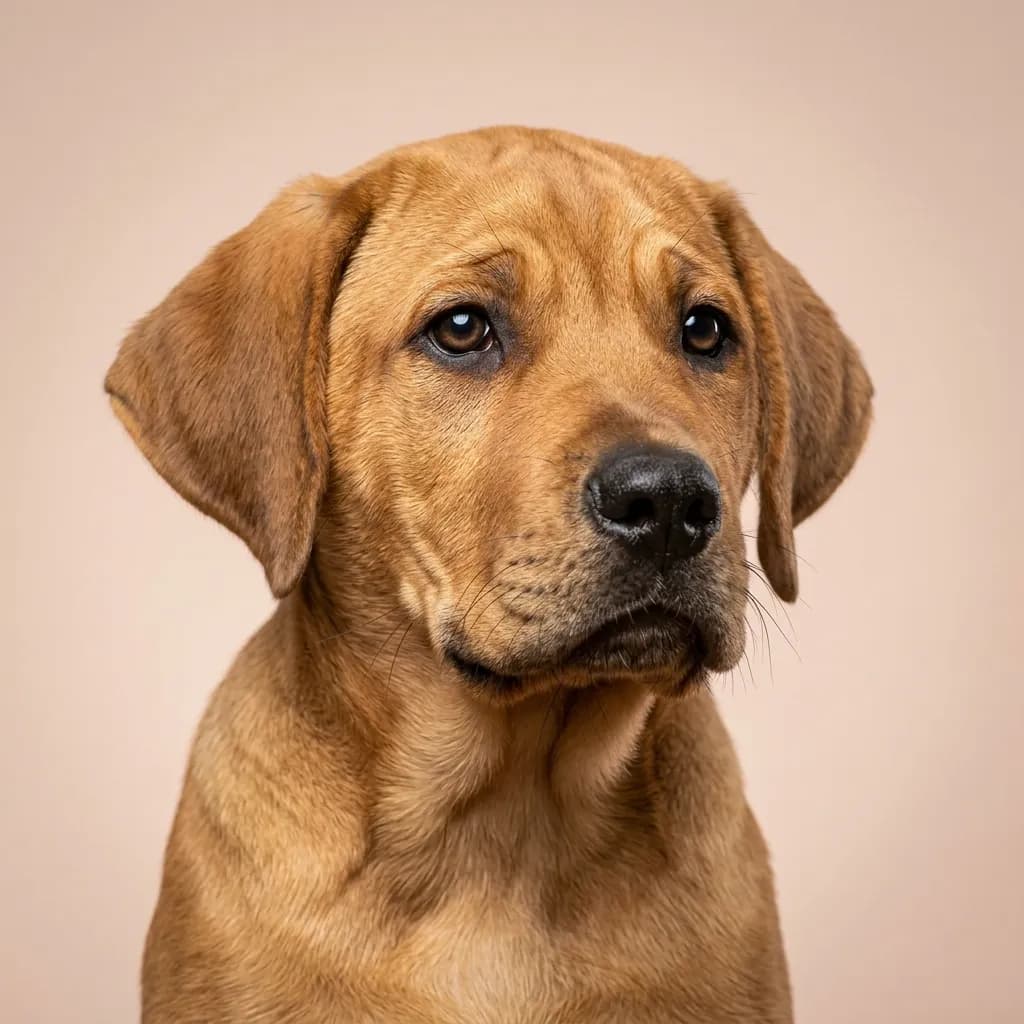
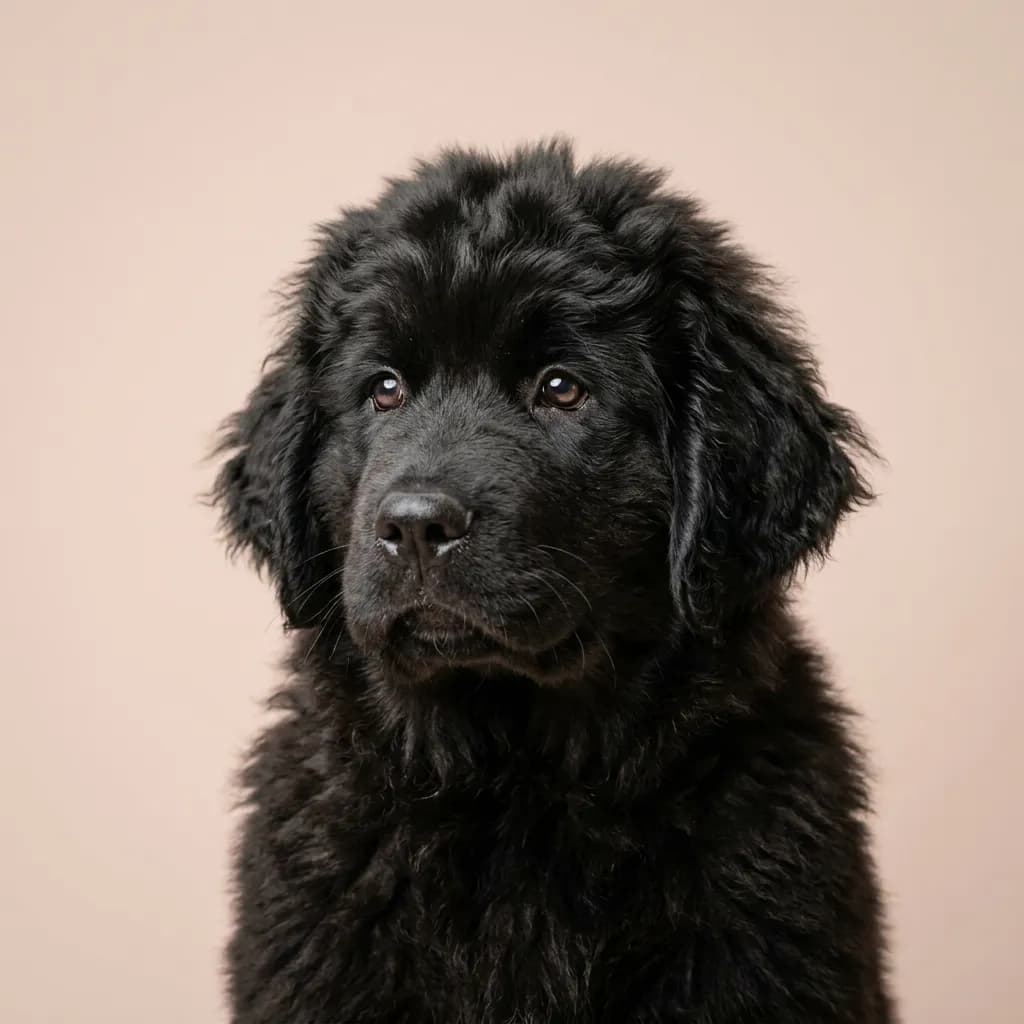
People compare Broholmers and Newfoundlands because they’re both massive, gentle-looking dogs that seem built for family life and cold climates. At first glance, they’re like two sides of the same coin. calm, affectionate, and undeniably imposing. But if you’re choosing between them, the differences aren’t subtle. They’re about how the dog will move through your life. The Broholmer is a quiet guardian. He’s calm to the point of being statuesque, with a watchful eye and a deep sense of loyalty. He won’t bark much, but he’ll notice everything. He was bred to stand sentry on Danish estates, and that job left him with a reserved demeanor. You’ll need space, experience, and the ability to manage a dog that’s more companion than participant. He’s not lazy, but his energy is low and his mental drive even lower. Kids won’t scare him, but he might not seek them out either. The Newfoundland is a soft giant with a rescue instinct baked into his DNA. He lives for people, especially in and around water. He’s the dog who’ll swim out to “save” your kid in the backyard pool, even if they’re not in danger. He’s more adaptable, more openly affectionate, and genuinely thrives in family chaos. But he drools. A lot. And his coat? A year-round shedding machine. Here’s the real talk: if you want a dog that feels like a warm, living fence, go Broholmer. If you want a dog that feels like a wet, loving bear who’d pull your kid from a lake without thinking, go Newfoundland. One guards your property. The other guards your heart. literally, by jumping in after anything that moves near water. Choose based on what kind of giant you’re ready to live with.
Trait-by-trait
Higher bar = more of that trait. Shedding, barking, drooling, grooming flipped for readability.Where they diverge
Choose the Broholmer if…
- experienced large-breed owners
- families with children
- homes with large yards
Choose the Newfoundland if…
- Families with children
- Water and outdoor enthusiasts
- Those wanting a gentle giant
- You value good with young children — Newfoundland scores higher here.