Broholmer vs Papillon
Side-by-side comparison across all 14 AKC trait ratings, with a clear verdict on which breed fits which kind of household.

Not sure which breed fits your life?
Answer five questions about your home, your schedule, and your tolerance for shedding. We’ll match you to your top three breeds from over 200.
Broholmer vs Papillon
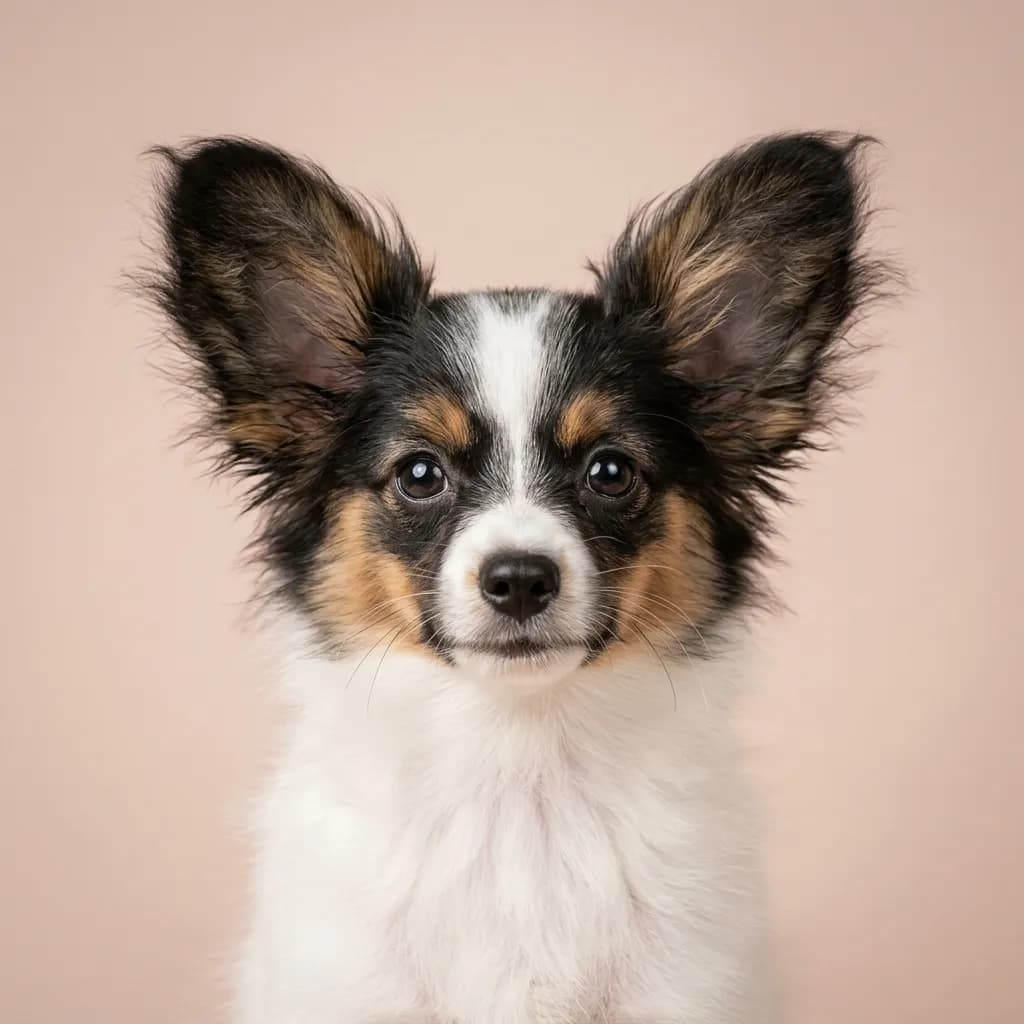
You’re probably not comparing a Broholmer and a Papillon because you’re torn between them. You’re comparing them because someone just showed you a giant, lion-like dog on Instagram and your cousin won’t stop talking about her “butterfly-eared” lapdog, and now you’re down a rabbit hole wondering how two animals both called “dogs” can be so wildly different. So let’s cut through the noise. The Broholmer is a gentle giant from Denmark, built like a draft horse with a heart to match. At 100+ pounds and nearly 30 inches tall, this dog needs space, structure, and an owner who’s already weathered the chaos of big-breed living. He’s calm, affectionate, and quietly watchful. more likely to stand stoically by the back door than bark at a leaf. But he’s not for rookies. His size alone demands experience. You’ll need a yard, a solid vet, and a plan for bloat prevention, because at 8 to 10 years, his lifespan is short and his health risks are real. Now flip the script: the Papillon is a 7-pound firecracker with ears like satellite dishes. Bred for royal laps, it’s sharp, eager, and loud. This dog thrives on puzzles, tricks, and attention. If you love agility or just want a shadow that never shuts up, it’s magic. But don’t mistake its size for ease. It needs mental work like oxygen, and its fragility means toddlers can accidentally hurt it. The honest truth? One of these dogs will change your lifestyle. The Broholmer demands space and strength. The Papillon demands time and engagement. Pick the Broholmer if you want a calm, loyal presence and have the means to support a giant. Pick the Papillon if you’re active, mentally available, and want a dog that’s always “on.” Otherwise, admire them both. just don’t bring one home without knowing what you’re really signing up for.
Trait-by-trait
Higher bar = more of that trait. Shedding, barking, drooling, grooming flipped for readability.Where they diverge
Choose the Broholmer if…
- experienced large-breed owners
- families with children
- homes with large yards
- You value drooling level — Broholmer scores noticeably higher.
Choose the Papillon if…
- Apartment living
- Active owners
- Families with older children
- You value barking level — Papillon scores higher here.