Papillon
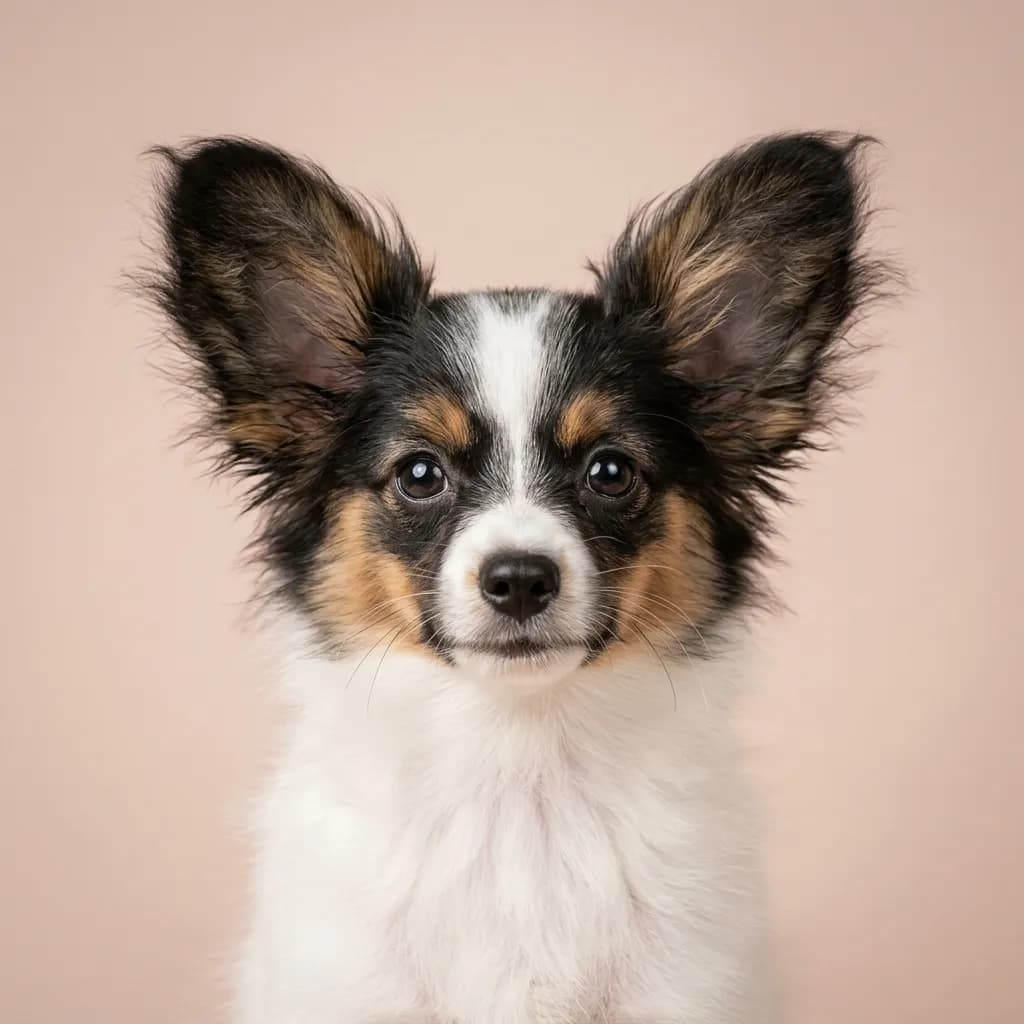
Named for the butterfly-wing ears that made European royalty fall in love with them — the Papillon is the most athletic and trainable of all the toy breeds, consistently placing at the top of obedience and agility competitions. Don't let the small size and delicate appearance fool you: this is a high-energy, sharp-minded dog that needs daily exercise and mental engagement. Friendly enough for families but fine-boned enough to be at risk around very young children.
Free weekly training plan, specific to your Papillon’s age. Exactly what to focus on this week.
Get your free training planLiving with a Papillon
Papillons look like painted royalty from a 17th-century court, and that’s basically their origin story. Bred for centuries as lapwarmers and status symbols in European palaces, they're the elegant little dogs you see in old portraits with those unmistakable butterfly ears. But don’t let the delicate looks fool you.
This is a dog that thrives on action, connection, and mental challenges. They’re not just alert, they’re tuned in, constantly watching, listening, and usually barking to let you know the mailman exists. If you want a silent shadow, this isn’t your breed.
Day to day, living with a Papillon means living with joyful intensity. They’re affectionate as can be, curling up on your lap after a game of indoor fetch, but they’re rarely still for long. These dogs have a 4 out of 5 energy level and need daily walks plus mental stimulation, think puzzle toys, trick training, or agility.
They’re 5 out of 5 on trainability, which means they’ll learn “sit” in minutes and “spin” by lunchtime. But that sharp mind means they’ll also learn bad habits fast if you’re inconsistent. Grooming is easier than it looks.
Their long, silky coat doesn’t mat as badly as other long-haired toys, but you’ll still need weekly brushing and the occasional trim around the feet. Shedding is moderate, not extreme. The real maintenance is dental care.
With tiny jaws, plaque builds fast, so tooth brushing a few times a week is non-negotiable. Health-wise, they’re generally tough for their size, living 14 to 16 years. But watch for patellar luxation, eye issues like PRA, and hypoglycemia in puppies.
Reputable breeders will screen for these, so don’t skip vet checks. They’re fantastic with older kids and adapt beautifully to apartments, but their high alertness and tendency to bark make them poor fits for deep-sleepers or those wanting a chill couch potato. And while they’re great with families, their small size means they’re not ideal for homes with toddlers who might accidentally squeeze or drop them.
Here’s the thing most people miss: Papillons aren’t just smart, they get bored easily. If you don’t challenge them, they’ll start training you, barking for snacks, nudging for games, orchestrating their own entertainment. You need to be the kind of person who enjoys teaching, playing, and engaging daily.
They’re not accessories. They’re tiny, brilliant co-pilots who demand a say in the plan.
14 traits, at a glance.
Every breed on PuppyBase is rated across the 14 trait dimensions the American Kennel Club publishes — from trainability to drooling level. The higher the score, the better the fit for that trait.
What to expect day-to-day
Things to screen for
- Patellar luxation
- Open fontanel
- Progressive retinal atrophy
- Hypoglycemia
- Dental disease
See a full price breakdown — first-year costs, lifetime estimate, breeder vs. adoption.
Full price guideSimilar breeds
Browse all 200+


Common questions
How long do Papillons live?
Papillons typically live between 14 and 16 years, making them one of the longer-lived dog breeds with proper care and regular veterinary checkups.
How much does a Papillon puppy cost?
A Papillon puppy usually costs between $1,200 and $3,500, with the average price around $2,000 depending on breeder reputation, bloodline, and location.
How much do Papillons shed?
Papillons shed moderately year-round and will require regular brushing to manage loose hair and prevent tangles in their silky coat.
What colors do Papillons come in?
Papillons come in white with patches of any color except liver, most commonly seen with black, red, or orange markings on the ears and body.
How big do Papillons get?
Papillons are small dogs, standing 8 to 11 inches tall at the shoulder and weighing between 5 and 10 pounds when fully grown.
Are Papillons smart?
Yes, Papillons are exceptionally intelligent and consistently rank at the top among dog breeds in trainability and problem-solving ability.
Are Papillons hypoallergenic?
No, Papillons are not considered hypoallergenic, as they do shed and produce dander that can trigger allergies in sensitive individuals.
Are Papillons aggressive?
Papillons are not inherently aggressive; they are friendly and alert but can be reserved with strangers and may bark frequently if not trained.
What health problems are common in Papillons?
Common health issues in Papillons include patellar luxation, progressive retinal atrophy, hypoglycemia, dental disease, and an open fontanel in some individuals.
Do Papillons bark a lot?
Yes, Papillons are very vocal dogs and tend to bark frequently, making them excellent watchdogs but requiring training to manage excessive noise.
Are Papillons easy to train?
Yes, Papillons are among the easiest toy breeds to train due to their high intelligence and eagerness to learn, excelling in obedience and agility.
Are Papillons good family dogs?
Papillons make excellent family dogs for homes with older children, as they are affectionate and playful but can be fragile around very young kids.
Are Papillons good with cats?
Yes, Papillons usually get along well with cats, especially when raised together or properly introduced, thanks to their friendly and social temperament.
Can Papillons live in apartments?
Yes, Papillons adapt exceptionally well to apartment living as long as they get daily mental stimulation and physical activity.
Are Papillons good with other dogs?
Papillons are moderately social with other dogs; early socialization helps, but some may be selective or reserved around unfamiliar dogs.
Are Papillons good guard dogs?
Papillons are not true guard dogs, but their high alertness and frequent barking make them excellent watchdogs who will announce every visitor.
Not sure which breed fits your life?
Answer five questions about your home, your schedule, and your tolerance for shedding. We’ll match you to your top three breeds from over 200.