Bull Terrier vs German Shorthaired Pointer
Side-by-side comparison across all 14 AKC trait ratings, with a clear verdict on which breed fits which kind of household.

Not sure which breed fits your life?
Answer five questions about your home, your schedule, and your tolerance for shedding. We’ll match you to your top three breeds from over 200.
Bull Terrier vs German Shorthaired Pointer
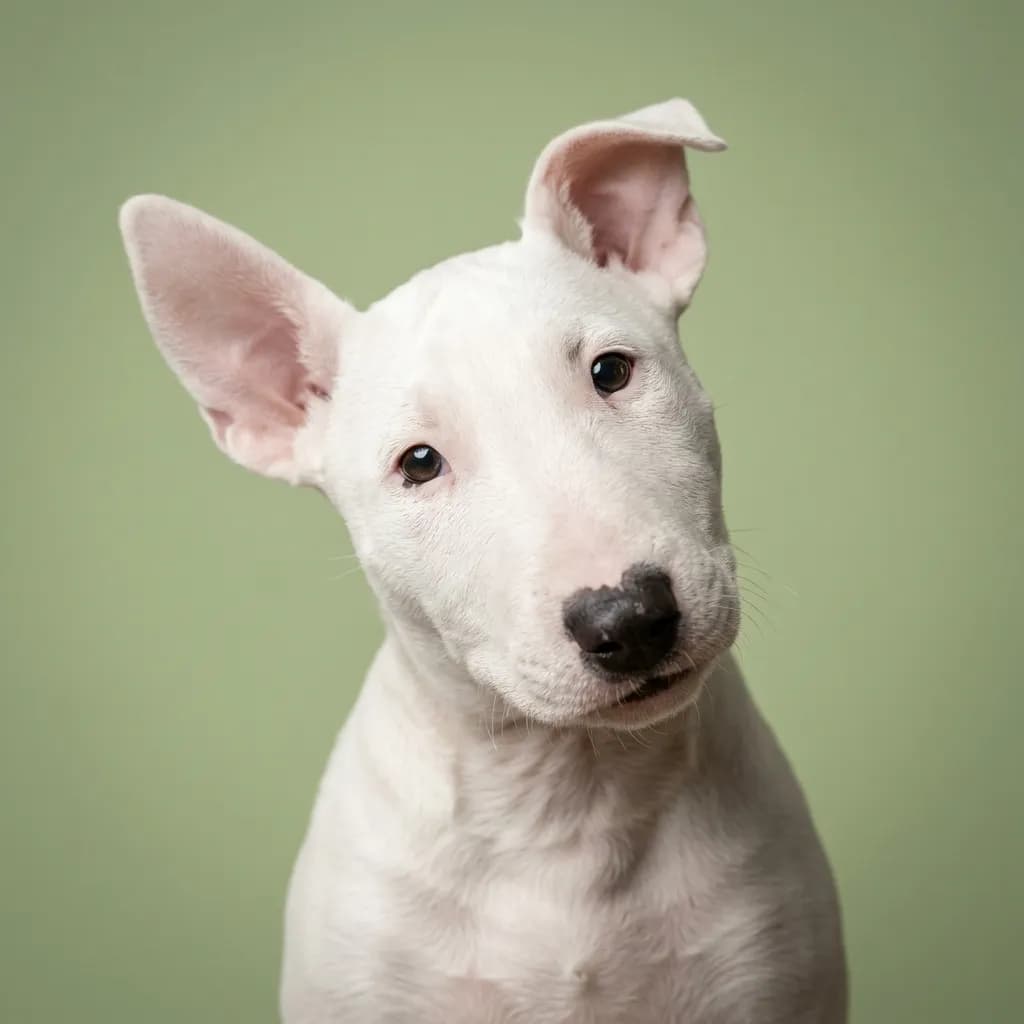
People compare Bull Terriers and German Shorthaired Pointers because they’re both medium to large, high-energy dogs with short coats and a certain boldness. but that’s where the similarities end. If you’re torn between them, what you’re really deciding is whether you want a dog that’s a full-time project with a giant personality, or a driven athlete who lives to work and play alongside you. The Bull Terrier is a character through and through. Think of that egg-shaped head and mischievous grin. he’s charming, stubborn, and thrives on attention. He’ll lean on you like a 60-pound toddler and clown around in ways that’ll make you laugh, but he’s not always listening. Training takes patience, and he can be dog-aggressive, especially if not socialized well. He’s not the dog to leave alone for eight hours while you work. he’ll chew your couch into confetti. The GSP, on the other hand, is built for motion. This is a dog who needs real jobs: running trails, hunting, agility, or at minimum, an hour of intense exercise twice a day. Without it, he’ll self-medicate with destruction. But if you’re active, he’s gold. He’s great with kids, loves other dogs, and attaches himself to the whole family like a loyal shadow. Here’s the truth beyond the data: the Bull Terrier wants to be your only dog. The GSP won’t be happy unless you’re outside with him, every single day. If you hike, hunt, or live on a farm, the GSP fits like a glove. If you want a quirky, intense companion who’ll turn heads and demand your full attention, the Bull Terrier’s your guy. But don’t get either if you’re not ready to match their energy.
Trait-by-trait
Higher bar = more of that trait. Shedding, barking, drooling, grooming flipped for readability.Where they diverge
Choose the Bull Terrier if…
- Active individuals
- Experienced dog owners
- Families with older children
Choose the German Shorthaired Pointer if…
- Hunters
- Active families
- Dog sports participants
- You value good with other dogs — German Shorthaired Pointer scores higher here.