Bull Terrier
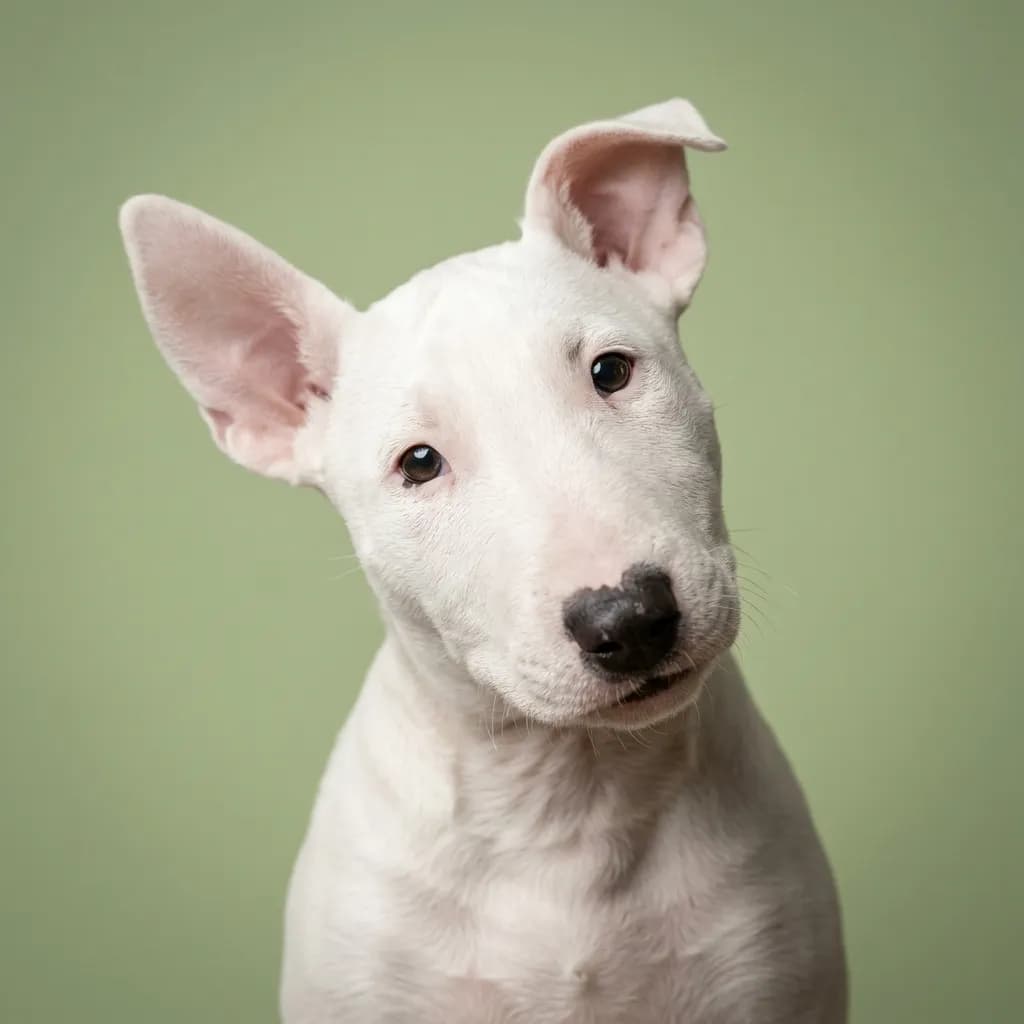
Egg-headed, muscle-bound, and relentlessly entertaining — Bull Terriers bring a level of physical comedy to daily life that most breeds can't match. They're stubborn in the way that toddlers are stubborn: not defiant, just absolutely convinced their idea is better. Strong prey drive and bulletproof energy make them a poor fit for homes with small animals or passive owners.
Free weekly training plan, specific to your Bull Terrier’s age. Exactly what to focus on this week.
Get your free training planLiving with a Bull Terrier
The Bull Terrier’s egg-shaped head is impossible to miss, but it’s their personality that really leaves an impression. Originally bred in 19th-century England for bull-baiting and later dog fighting, they’ve come a long way, today they’re bred for companionship, but that spirited terrier fire still burns bright. Don’t let the tuxedo coat and clown-like antics fool you.
This is a dog that needs a job, a plan, and an owner who can keep up mentally and physically. Day-to-day life with a Bull Terrier means constant entertainment. They’re playful at 3 and playful at 10, always scheming, always charming their way out of trouble.
Their energy level is solidly 4 out of 5. You’ll need at least an hour of active exercise daily, think brisk walks, fetch sessions, or agility work, plus daily brain games. Without it, they’ll redecorate your couch or dig a crater in the backyard.
Training is a mixed bag. They’re intelligent and affectionate, scoring a 4 in affection and mental stimulation needs, but their trainability is only a 3. They’ll obey when they feel like it, and consistency is non-negotiable.
Positive reinforcement works best; heavy-handed methods backfire fast. Grooming is easy, short coat, moderate shedding, but their health is where you need to be vigilant. Deafness, especially in all-white individuals, is a real concern.
Reputable breeders should provide BAER hearing tests. Hereditary nephritis and mitral valve disease are also watch points, so regular vet checks are a must. Lifespan is 12 to 13 years, but that means over a decade of commitment to their well-being.
They can be good with kids, but not young ones. Their exuberance can knock over a toddler, and their terrier instinct may not respect a hamster or cat. Best for active individuals, experienced owners, or families with older children.
Not for first-timers or anyone wanting a chill couch buddy. Here’s the truth no one says: Bull Terriers aren’t just goofy. They bond deeply with one person and can become obsessive.
If you want a dog that’s part shadow, part comedian, and fully relentless, this is your breed.
14 traits, at a glance.
Every breed on PuppyBase is rated across the 14 trait dimensions the American Kennel Club publishes — from trainability to drooling level. The higher the score, the better the fit for that trait.
What to expect day-to-day
Things to screen for
- Kidney disease (hereditary nephritis)
- Deafness (especially in white dogs)
- Heart disease (mitral valve disease)
- Obsessive-compulsive behaviors
- Skin allergies
See a full price breakdown — first-year costs, lifetime estimate, breeder vs. adoption.
Full price guideSimilar breeds
Browse all 200+


Common questions
How long do Bull Terriers live?
Bull Terriers typically live between 12 and 13 years, which is average for a dog of their size.
How much does a Bull Terrier puppy cost?
A Bull Terrier puppy usually costs between $1,500 and $3,500, with most people paying around $2,500 from a reputable breeder.
How much do Bull Terriers shed?
Bull Terriers shed moderately year-round and will need regular brushing to keep loose hair under control.
What colors do Bull Terriers come in?
Bull Terriers come in solid white or combinations of white with black, brindle, red, or fawn, as well as solid red, fawn, and brindle.
How big do Bull Terriers get?
Bull Terriers stand 21 to 22 inches tall at the shoulder and weigh between 50 and 70 pounds, with males generally on the larger side.
Are Bull Terriers smart?
Yes, Bull Terriers are intelligent but have a mischievous streak that can make them stubborn during training if not consistently guided.
Are Bull Terriers hypoallergenic?
No, Bull Terriers are not hypoallergenic and will shed dander, making them a poor choice for people with allergies.
Are Bull Terriers aggressive?
Bull Terriers are not typically aggressive toward people, but they have very low tolerance for other dogs and a strong prey drive, especially toward small animals.
What health problems are common in Bull Terriers?
Common health issues include deafness, especially in white individuals, heart disease, hereditary kidney problems, skin allergies, and obsessive-compulsive behaviors.
Do Bull Terriers bark a lot?
Bull Terriers bark moderately, usually to alert or express excitement, but they are not constant nuisance barkers.
Are Bull Terriers easy to train?
They are moderately trainable but require firm, consistent handling; their independent streak means they respond poorly to repetitive or dull training methods.
Are Bull Terriers good family dogs?
They can be good with older children and are deeply loyal to their families, but their energy and strength make them better suited for homes with older kids.
Are Bull Terriers good with cats?
Most Bull Terriers are not reliable around cats due to their strong prey drive and history with small animals.
When do Bull Terriers calm down?
Bull Terriers remain high-energy well into adulthood and usually don't start to settle until they are around 4 to 5 years old.
Are Bull Terriers dangerous?
They are not inherently dangerous to people, but their strength, prey drive, and poor dog tolerance require experienced handling and strict supervision.
Do Bull Terriers need a yard?
Yes, they thrive in homes with a yard where they can safely burn off energy, though a securely fenced space is essential due to their strong chase instinct.
Not sure which breed fits your life?
Answer five questions about your home, your schedule, and your tolerance for shedding. We’ll match you to your top three breeds from over 200.