Bullmastiff vs Keeshond
Side-by-side comparison across all 14 AKC trait ratings, with a clear verdict on which breed fits which kind of household.
Not sure which breed fits your life?
Answer five questions about your home, your schedule, and your tolerance for shedding. We’ll match you to your top three breeds from over 200.
Bullmastiff vs Keeshond
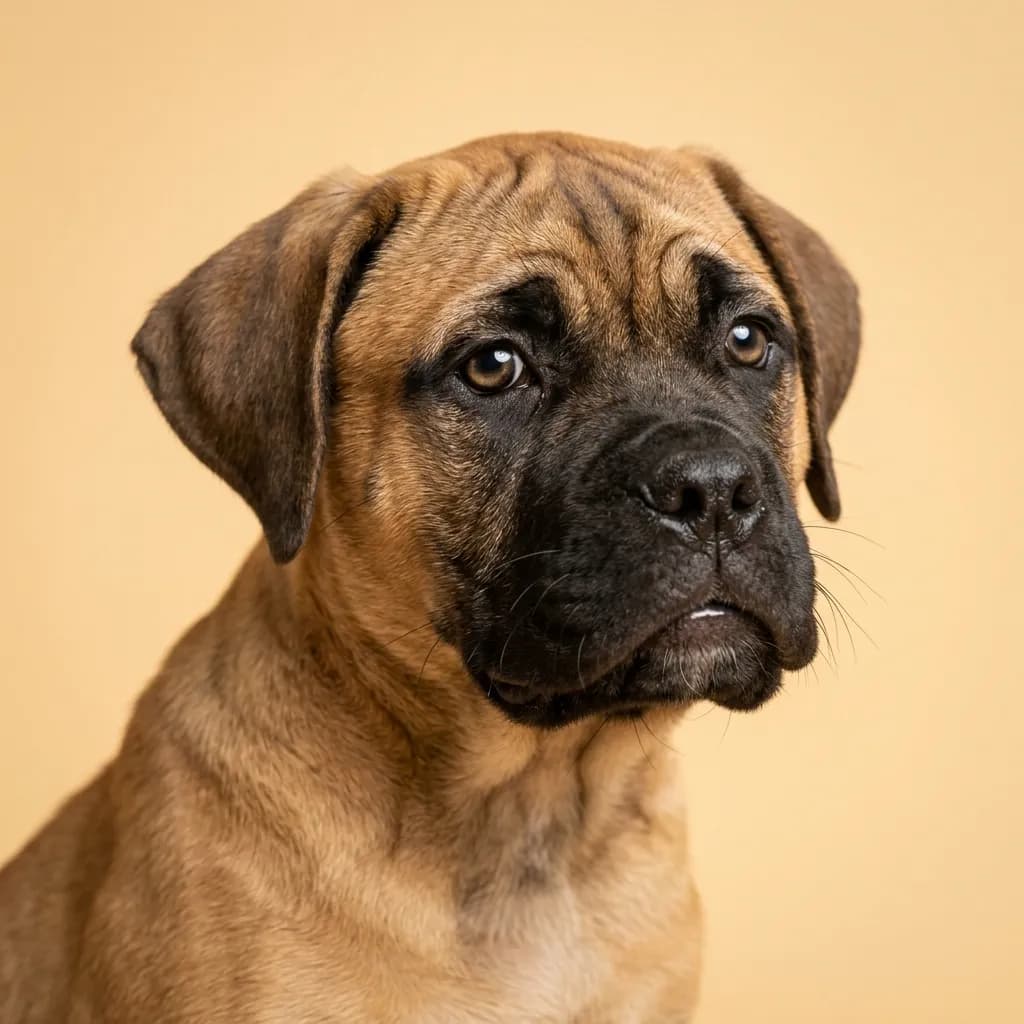
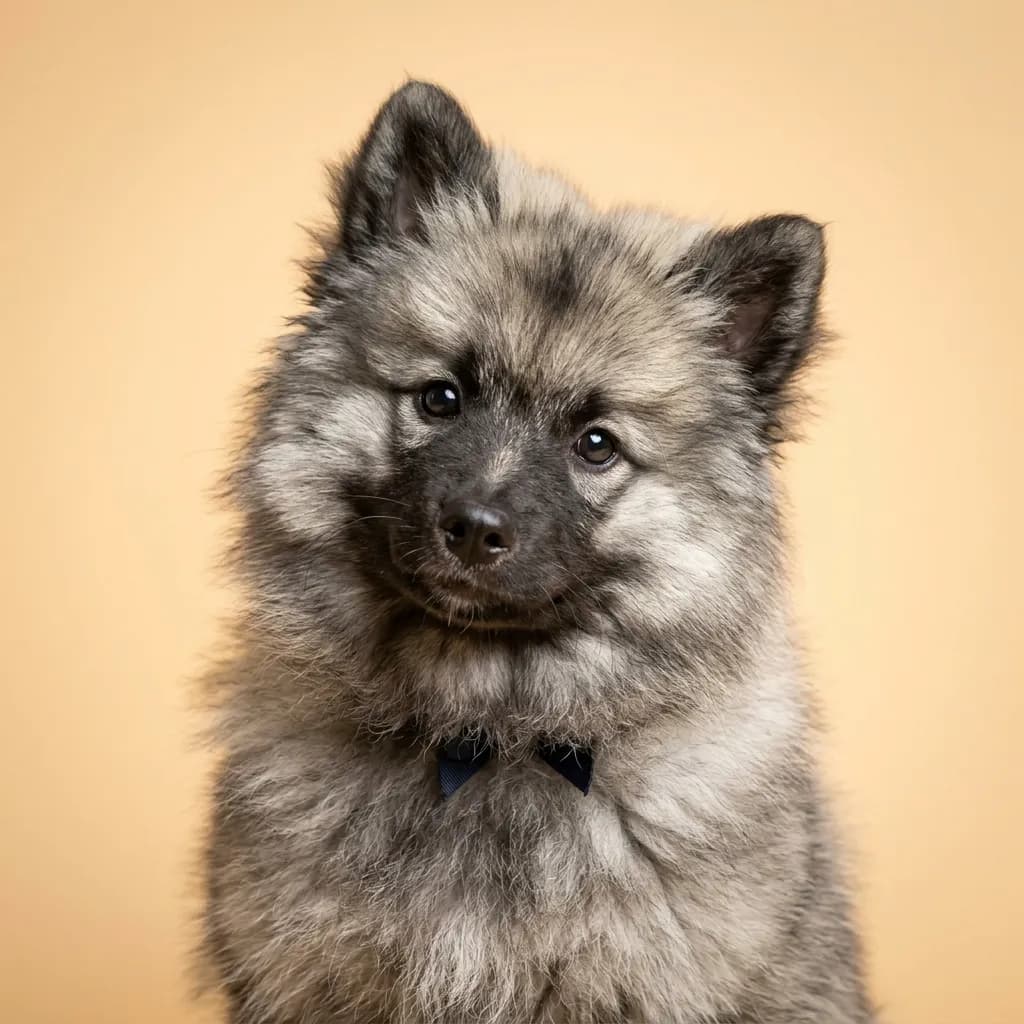
You’re not going to find these two side by side at the dog park unless someone’s doing a “big vs small” trivia night. People compare Bullmastiffs and Keeshonds when they’re torn between a loyal protector and a furry, chatty companion. but both want a dog with presence and heart. That’s where the similarity ends. The Bullmastiff is the quiet giant who’ll stand between you and danger without blinking. Developed to knock poachers flat in 19th-century England, this 130-pound couch mountain is surprisingly calm indoors, but don’t mistake stillness for laziness. He needs structure, space, and a yard with a fence you trust. He’s not great with toddlers. he doesn’t mean to, but he’ll knock them over just by turning around. And if something feels off, he’ll act first, ask questions never. The Keeshond, with his grumpy-sweet “spectacles” face and plume of a tail, is the neighborhood gossip columnist. He barks at the mail, the breeze, and his own reflection. But he’s also the dog who’ll learn 50 tricks by age three because he lives for praise and connection. At 40 pounds, he fits on the couch. just make sure you don’t mind dog hair on everything, forever. He’s bred to be alert, not aggressive, and he adores everyone, especially kids. First-time owners? Go Keeshond. Cold climate? Keeshond thrives. Want a living security system with low bark but high consequence? Bullmastiff. But here’s the real insight: the Bullmastiff may look like the guard, but the Keeshond is the better watchdog. He notices everything and will announce it. The Bullmastiff won’t bark. he’ll just be there, like a very large, warm shadow, when the threat arrives. Choose based on what kind of alert you want: noise or action.
Trait-by-trait
Higher bar = more of that trait. Shedding, barking, drooling, grooming flipped for readability.Where they diverge
Choose the Bullmastiff if…
- Experienced dog owners
- Families with older children
- Homeowners with fenced yards
- You value drooling level — Bullmastiff scores noticeably higher.
Choose the Keeshond if…
- Families with children
- Active owners
- Cold climates
- You value barking level — Keeshond scores higher here.