Carolina Dog vs Dutch Shepherd
Side-by-side comparison across all 14 AKC trait ratings, with a clear verdict on which breed fits which kind of household.
Not sure which breed fits your life?
Answer five questions about your home, your schedule, and your tolerance for shedding. We’ll match you to your top three breeds from over 200.
Carolina Dog vs Dutch Shepherd
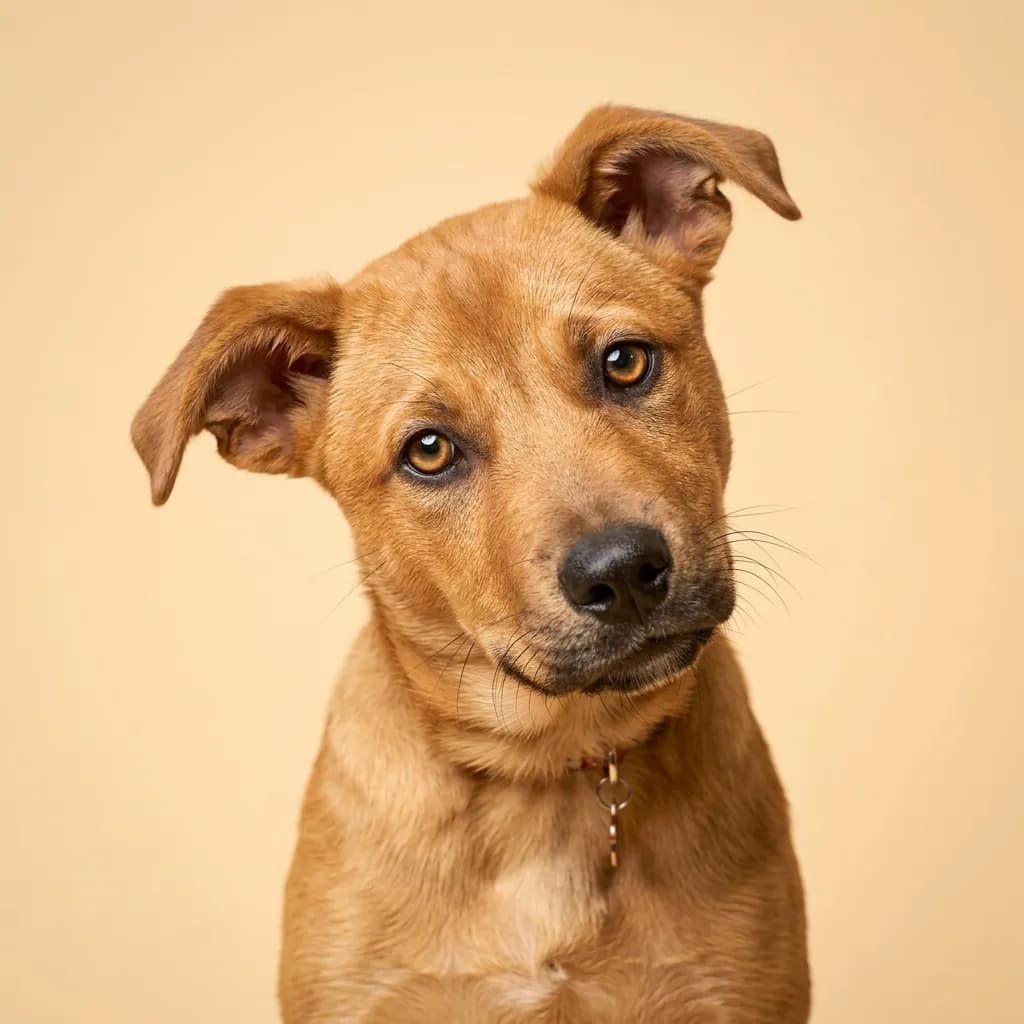
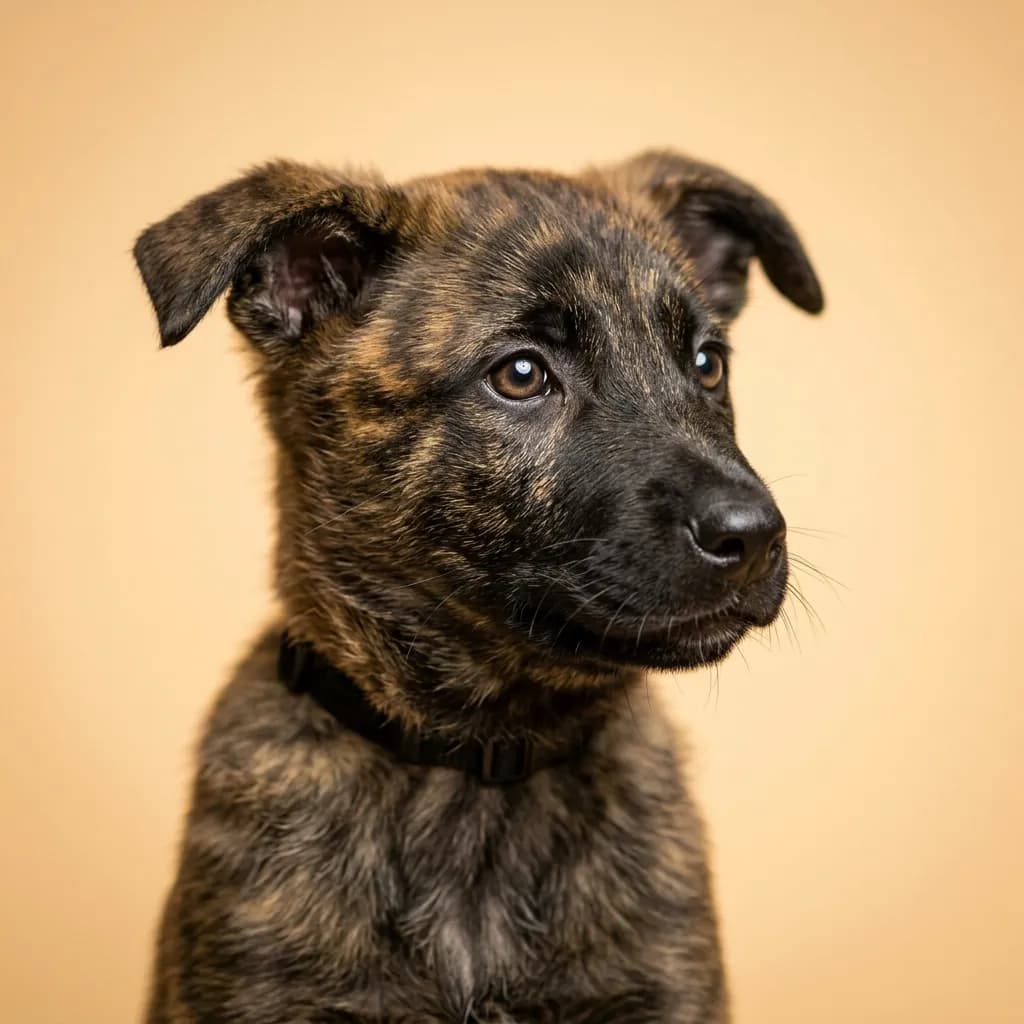
People toss these two breeds into the same conversation because they’re both rare, both athletic, and neither is a golden retriever. But that’s where the similarities end. Think of the Carolina Dog as the quiet survivor of Southern backroads, a breed shaped by generations of scraping by in the wild. The Dutch Shepherd? He’s the precision-built farmhand from the Netherlands who never got the memo that work is over for the day. You want independence? The Carolina Dog’s got it. He’ll follow you around with quiet loyalty but won’t cling. He’s reserved with strangers, cautious in new situations, and won’t impress with obedience. he’s more likely to glance at you like, “Do I have to?” He’s moderate in energy and needs, good for rural homes where he can patrol a yard and live a little wild. But if you’re hoping for a dog that excels in agility or loves learning tricks, he’ll probably just nap instead. The Dutch Shepherd is the opposite kind of challenge. He’s all go, all the time. Bred to work from sunup to sundown, he needs jobs. real ones. Obedience, tracking, herding, protection work. Without a purpose, he’ll find one for you, like redecorating your couch with his teeth. He bonds deeply and can be affectionate, but his brain never shuts off. This isn’t a dog for weekend hikes and cuddles. He’s built for mission. Here’s the thing no one says: the Carolina Dog isn’t stubborn. he’s observant. He’s waiting to see if you’re worth following. The Dutch Shepherd isn’t demanding. he’s committed. He expects you to lead, every single day. Choose the first if you want a quiet partner in solitude. Choose the second if you’re ready for a teammate who never clocks out.
Trait-by-trait
Higher bar = more of that trait. Shedding, barking, drooling, grooming flipped for readability.Where they diverge
Choose the Carolina Dog if…
- active families
- experienced owners
- rural environments
- You value barking level — Carolina Dog scores noticeably higher.
Choose the Dutch Shepherd if…
- Active individuals
- Experienced dog owners
- Police and military work
- You value watchdog / protective — Dutch Shepherd scores higher here.