Carolina Dog vs Eurasier
Side-by-side comparison across all 14 AKC trait ratings, with a clear verdict on which breed fits which kind of household.

Not sure which breed fits your life?
Answer five questions about your home, your schedule, and your tolerance for shedding. We’ll match you to your top three breeds from over 200.
Carolina Dog vs Eurasier
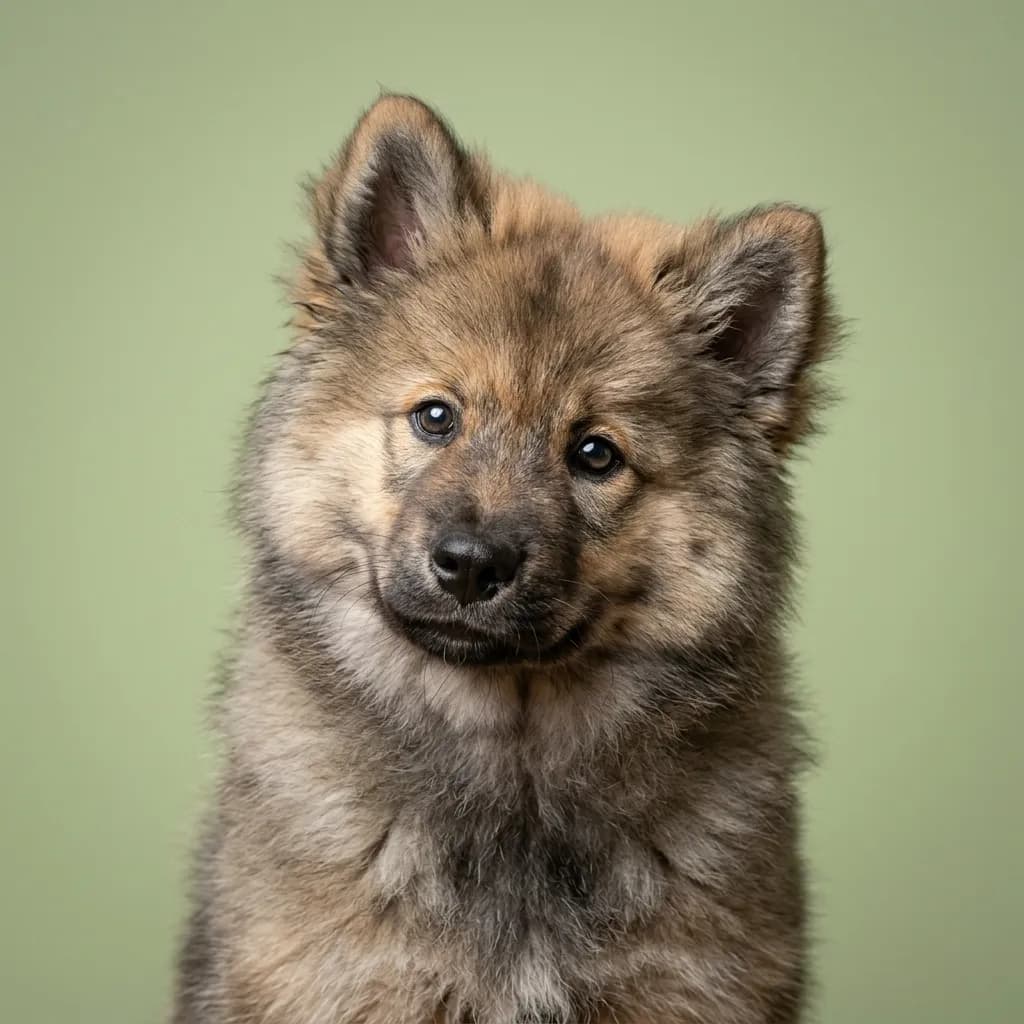
People compare the Carolina Dog and the Eurasier because they’re both rare, spitz-type breeds with reserved personalities and medium energy. but that’s where the similarities end. One’s a survivor forged by the backroads of the American South, the other’s a carefully engineered companion from post-war Europe. Choosing between them isn’t about preference for pointy ears or double coats. It’s about what kind of relationship you want with your dog. The Carolina Dog is independence personified. Bred to fend for itself in the wild, it’s alert, resourceful, and deeply loyal. just not to everyone. It won’t follow commands just because you asked. You’ll earn its cooperation, day by day. It’s not aggressive, but it’s cautious around strangers and unpredictable with small animals. You need experience to read its subtle cues and a lifestyle that allows for secure outdoor space. You don’t own a Carolina Dog. You coexist. The Eurasier, by contrast, is bred to bond. Calm, affectionate, and surprisingly trainable for a spitz, it thrives on family inclusion. It’s the kind of dog that chooses your lap on a cold night and greets the kids with quiet dignity. It still needs routine and mental engagement, but it wants to please. It’s not a guard dog, but its presence is steady and reassuring. Here’s the real difference: the Carolina Dog will always have a piece of its wild soul. The Eurasier was designed to fit seamlessly into human life. If you want a dog that feels like a living relic, full of mystery and self-reliance, go Carolina. If you want a soft-eyed companion who enhances family life without chaos, the Eurasier’s your match. One’s a whisper from the past. The other’s a well-balanced present.
Trait-by-trait
Higher bar = more of that trait. Shedding, barking, drooling, grooming flipped for readability.Where they diverge
Choose the Carolina Dog if…
- active families
- experienced owners
- rural environments
- You value good with strangers — Carolina Dog scores noticeably higher.
Choose the Eurasier if…
- families seeking a calm companion
- homes with children
- experienced but patient owners
- You value coat grooming — Eurasier scores higher here.