Carolina Dog vs Hokkaido
Side-by-side comparison across all 14 AKC trait ratings, with a clear verdict on which breed fits which kind of household.
Not sure which breed fits your life?
Answer five questions about your home, your schedule, and your tolerance for shedding. We’ll match you to your top three breeds from over 200.
Carolina Dog vs Hokkaido
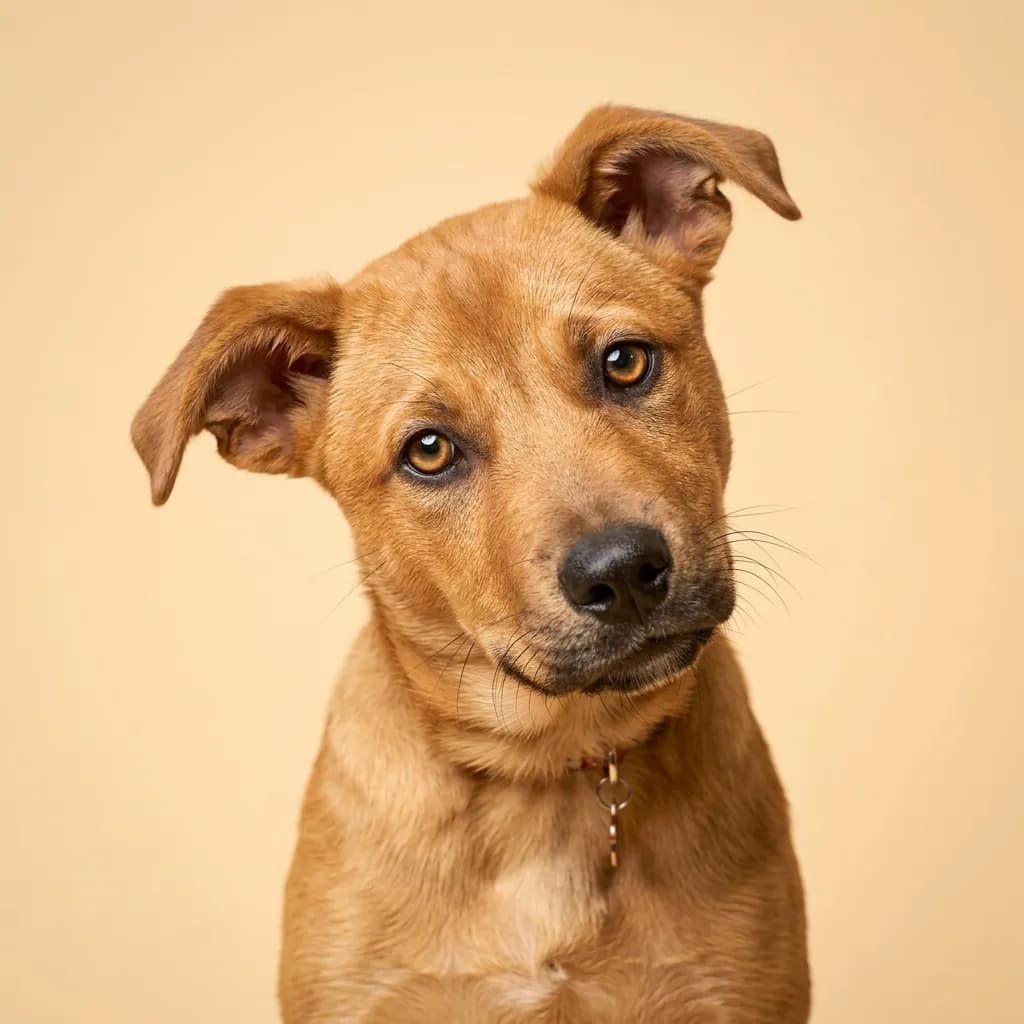
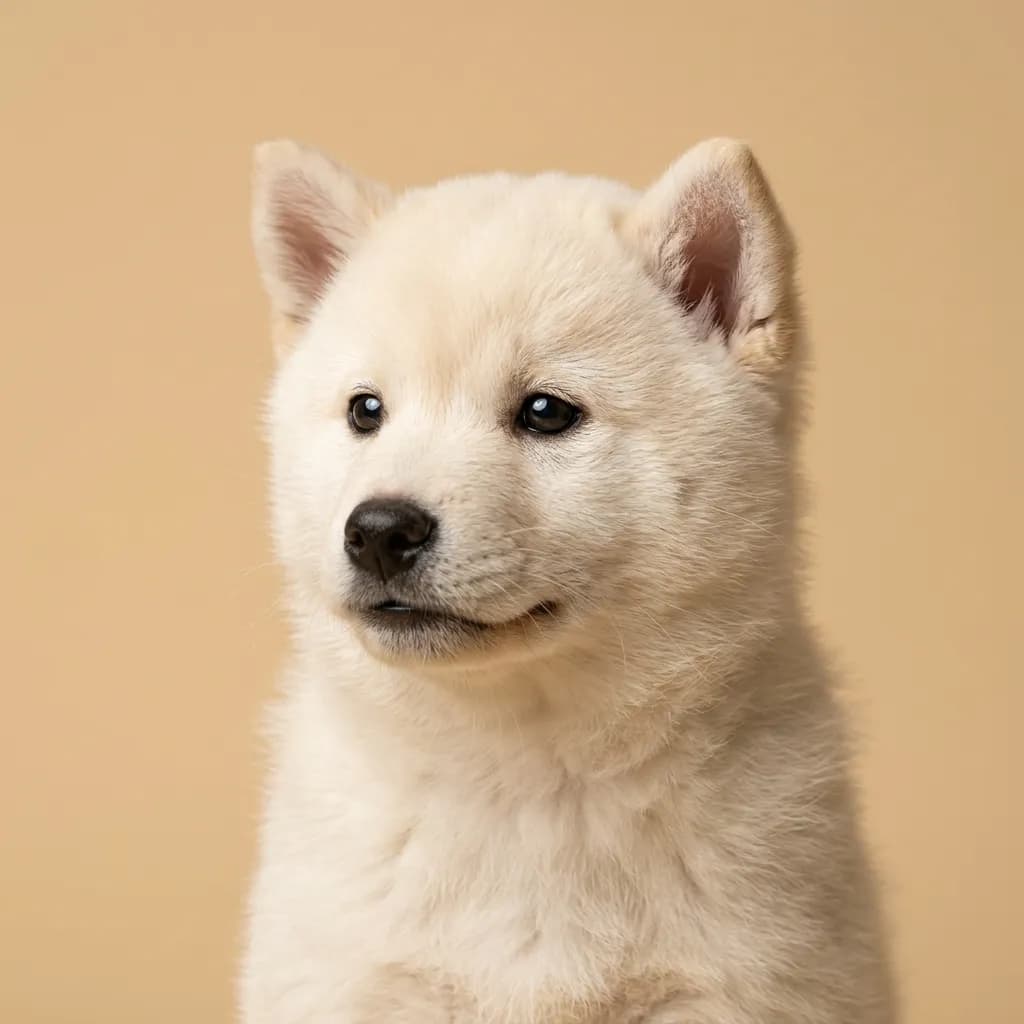
People compare the Carolina Dog and Hokkaido because they’re both rare, primitive breeds with a wild look and independent streaks. At first glance, they seem like two sides of the same coin. medium-sized, thick-coated, and not quite like the dogs you see at the dog park. But if you’re choosing between them, you’re not just picking a pet. You’re picking a lifestyle. The Carolina Dog is the feral survivor from the American South. It’s leaner, a bit smaller on average, and built for hot climates and hot sun. These dogs are reserved, not overly demonstrative, and they’ll bond deeply with one or two people but stay wary of strangers. They’re smart but make their own decisions. Think of them as the quiet neighbor who knows where all the trails are but won’t invite you over for dinner. The Hokkaido, on the other hand, was bred to face down bears in the snowy mountains of northern Japan. That history shows. They’re stockier, more intense, and driven. They’re also more affectionate with their people. loyal in a way that feels personal and deep. But they need serious mental and physical work. A bored Hokkaido will dismantle your backyard. Here’s the real difference: the Carolina Dog will adapt to your life. quietly, on its own terms. The Hokkaido will demand you adapt to theirs. Both need experienced hands, but the Hokkaido needs a job. If you’re into hiking, sledding, or dog sports in colder weather, it’s a powerhouse. If you want a low-key primitive breed in a warmer climate, the Carolina Dog fits like an old pair of boots. And one truth the breed standards won’t tell you? Neither will come when called if something more interesting catches their eye. That’s not stubbornness. That’s thousands of years of survival instinct. You’re not getting a dog who obeys. You’re getting a partner who tolerates collaboration.
Trait-by-trait
Higher bar = more of that trait. Shedding, barking, drooling, grooming flipped for readability.Where they diverge
Choose the Carolina Dog if…
- active families
- experienced owners
- rural environments
Choose the Hokkaido if…
- Experienced dog owners
- Active families
- Cold climates
- You value watchdog / protective — Hokkaido scores higher here.