Cavalier King Charles Spaniel vs Keeshond
Side-by-side comparison across all 14 AKC trait ratings, with a clear verdict on which breed fits which kind of household.

Not sure which breed fits your life?
Answer five questions about your home, your schedule, and your tolerance for shedding. We’ll match you to your top three breeds from over 200.
Cavalier King Charles Spaniel vs Keeshond
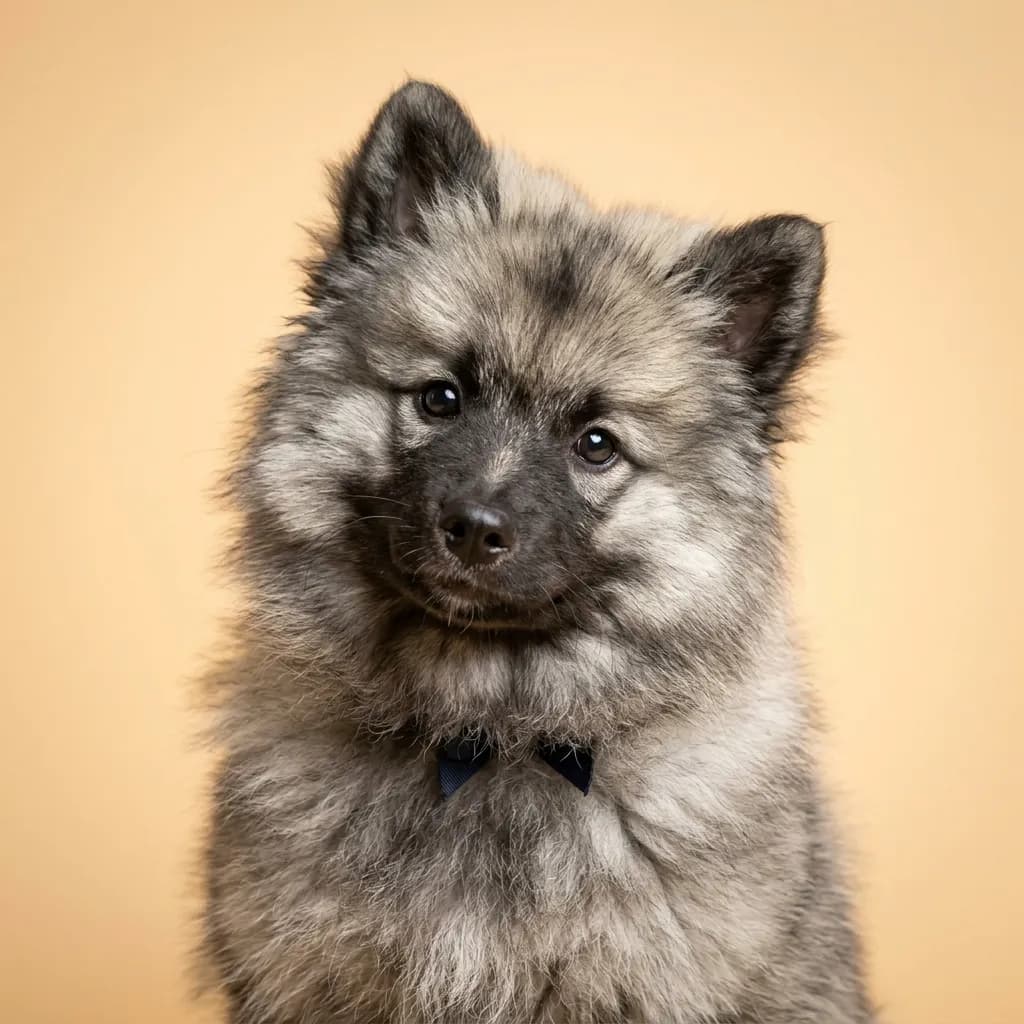
People compare Cavaliers and Keeshonden because they’re both fluffy, friendly, and great with kids. They’ve got that “always happy to see you” face and thrive on human connection. But beyond the smiles and soft coats, they’re built for very different lives. The Cavalier is the quiet lapdog who wants to follow you from couch to bedroom and back again. They’re small enough to cradle like a baby, gentle with toddlers, and easy to train if you’re patient. But they hate being alone. Leave them for more than a few hours and you’ll come home to whining, maybe destruction. They’re also fragile. prone to serious heart and spinal issues that can mean $5,000 surgeries before they’re even 7 years old. You’re not just buying a dog, you’re signing up for vet bills. The Keeshond, meanwhile, is a barking, bushy-tailed alarm system with a fox face and a double coat that sheds like a snowstorm in spring. They’re bigger, sturdier, and need more space and activity. But they’re also tougher. mentally and physically. They’ll greet the mailman like a long-lost friend, then patrol the fence line like a guard. They’re cold-weather dogs, bred to live on barges in the Netherlands, so hot climates are a struggle. If you want a portable, velcro dog who fits in your apartment and won’t outlast your weekend hikes, go Cavalier. But if you want a dog that’s part family member, part watchdog, and can handle hikes, kids, and winter walks without breaking a sweat, the Keeshond’s your bet. Here’s the real talk: Cavaliers look like low-maintenance cuddle bugs, but their health needs mean high emotional and financial upkeep. The Keeshond’s shedding and barking seem like bigger hurdles, but they’re often the more resilient, balanced choice for real family life.
Trait-by-trait
Higher bar = more of that trait. Shedding, barking, drooling, grooming flipped for readability.Where they diverge
Choose the Cavalier King Charles Spaniel if…
- Families with children
- Apartment living
- Retirees
Choose the Keeshond if…
- Families with children
- Active owners
- Cold climates
- You value playfulness — Keeshond scores higher here.