Central Asian Shepherd Dog vs Mudi
Side-by-side comparison across all 14 AKC trait ratings, with a clear verdict on which breed fits which kind of household.
Not sure which breed fits your life?
Answer five questions about your home, your schedule, and your tolerance for shedding. We’ll match you to your top three breeds from over 200.
Central Asian Shepherd Dog vs Mudi
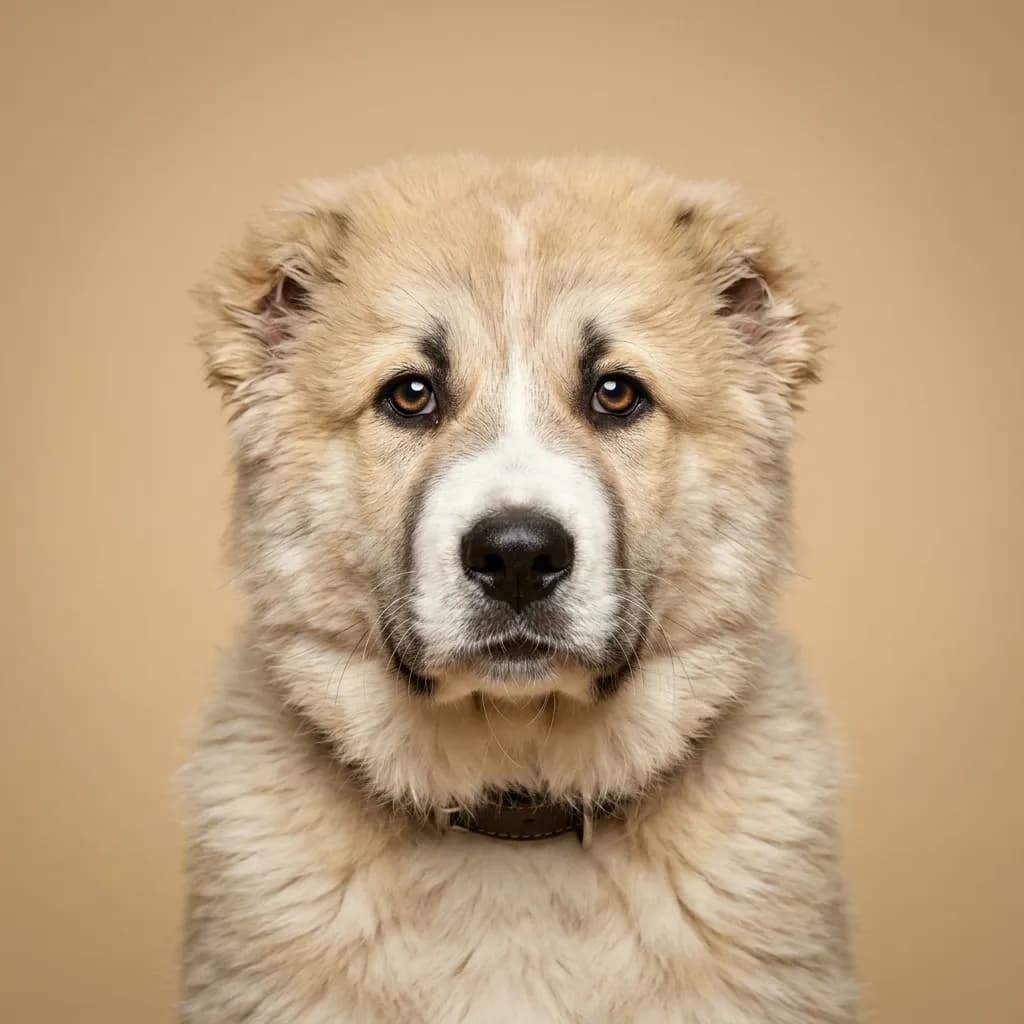
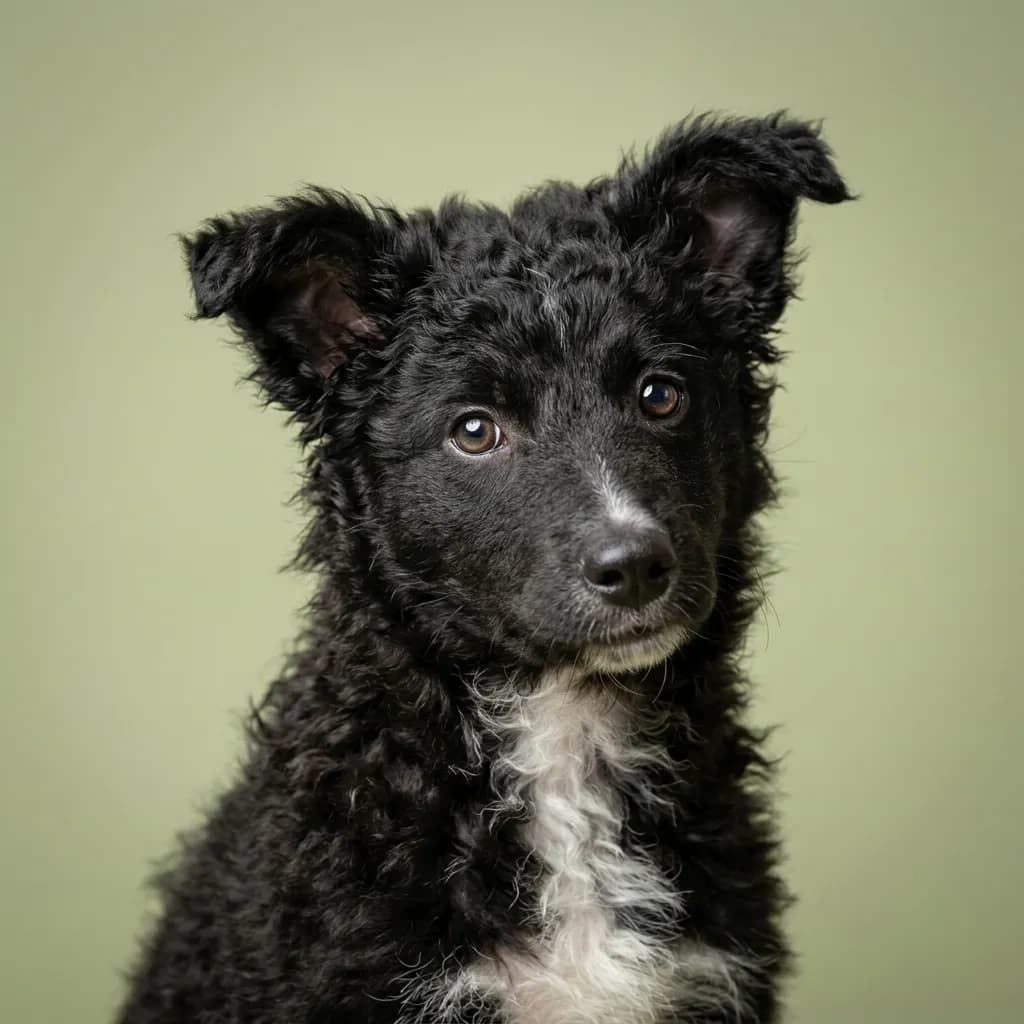
You’re not really comparing these two breeds because they’re similar. You’re looking at them side by side because you want a tough, working dog from Eastern Europe and you’re trying to figure out what kind of job you need done. That’s the real question. The Central Asian Shepherd is a fortress on four legs. Bred to roam remote pastures and make life-or-death decisions guarding flocks from wolves, this dog is deeply independent. It won’t follow orders blindly because survival in the steppes depended on thinking for itself. At nearly 100 pounds and built for harsh winters, it thrives on a farm with space, cold weather, and a job that means something. It’s loyal but not clingy, bold but not reckless. You don’t train it so much as negotiate with it. First-time owners? Forget it. Apartment living? No chance. The Mudi, meanwhile, is the agile, spark-plug herder from Hungary. light, loud, and always working. It’s half the size but twice the energy, built to nip at heels, drive sheep, and switch directions in a heartbeat. This dog lives for mental puzzles, dog sports, and close partnership. It bonds deeply with its people and wants to be involved in everything. Yes, it can live in a rural home, but it could also work in a suburban yard. if you’re out there with it, every single day. Here’s the truth beyond the data: the Central Asian Shepherd guards space, but the Mudi follows purpose. Choose the Shepherd if you need a vigilant, self-reliant protector who’ll watch the horizon like it’s his duty. Choose the Mudi if you want a high-strung, brilliant teammate who’ll excel at anything you train together. One stands guard in silence, the other barks with excitement just to be doing something with you.
Trait-by-trait
Higher bar = more of that trait. Shedding, barking, drooling, grooming flipped for readability.Where they diverge
Choose the Central Asian Shepherd Dog if…
- Experienced dog owners
- Rural property and farm owners
- Livestock guardian needs
- You value shedding level — Central Asian Shepherd Dog scores noticeably higher.
Choose the Mudi if…
- Active families
- Experienced herding breed owners
- Dog sport enthusiasts
- You value good with strangers — Mudi scores higher here.