Cesky Terrier vs Ibizan Hound
Side-by-side comparison across all 14 AKC trait ratings, with a clear verdict on which breed fits which kind of household.
Not sure which breed fits your life?
Answer five questions about your home, your schedule, and your tolerance for shedding. We’ll match you to your top three breeds from over 200.
Cesky Terrier vs Ibizan Hound
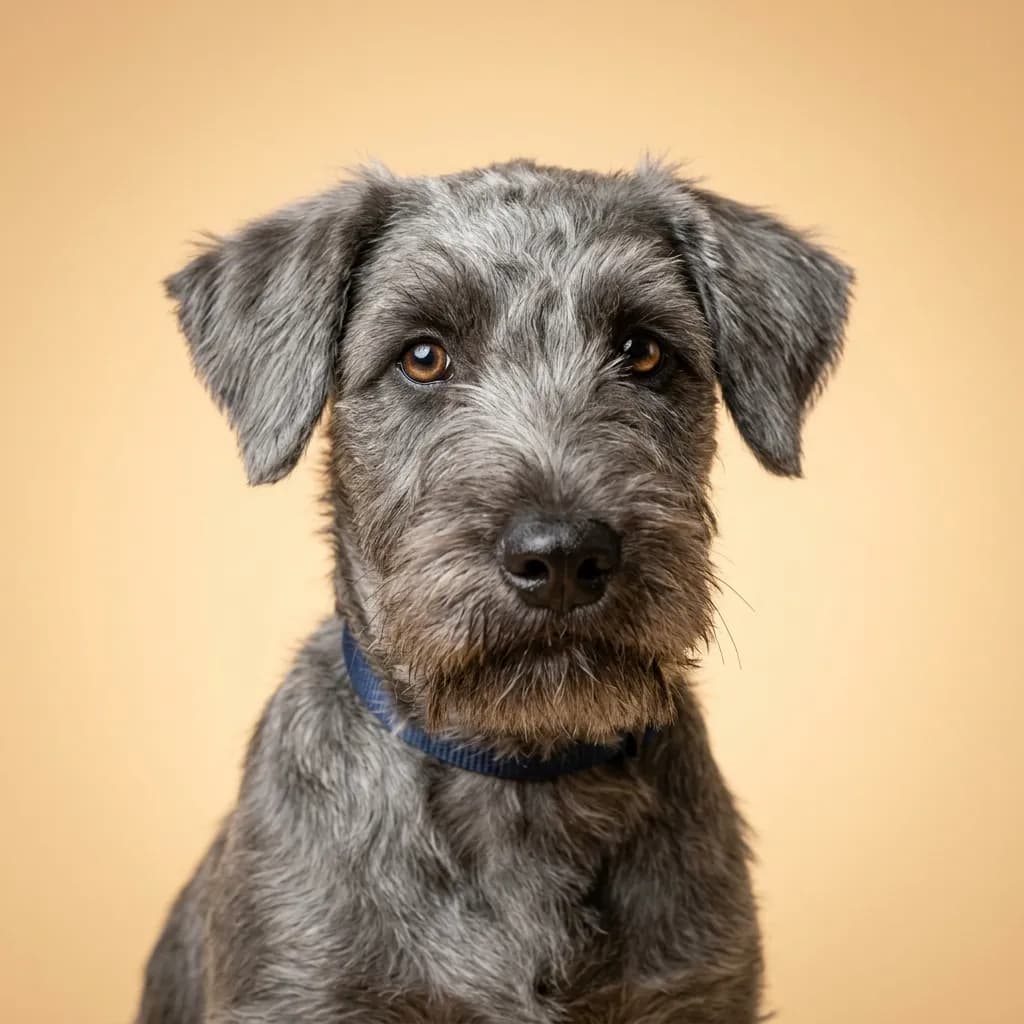
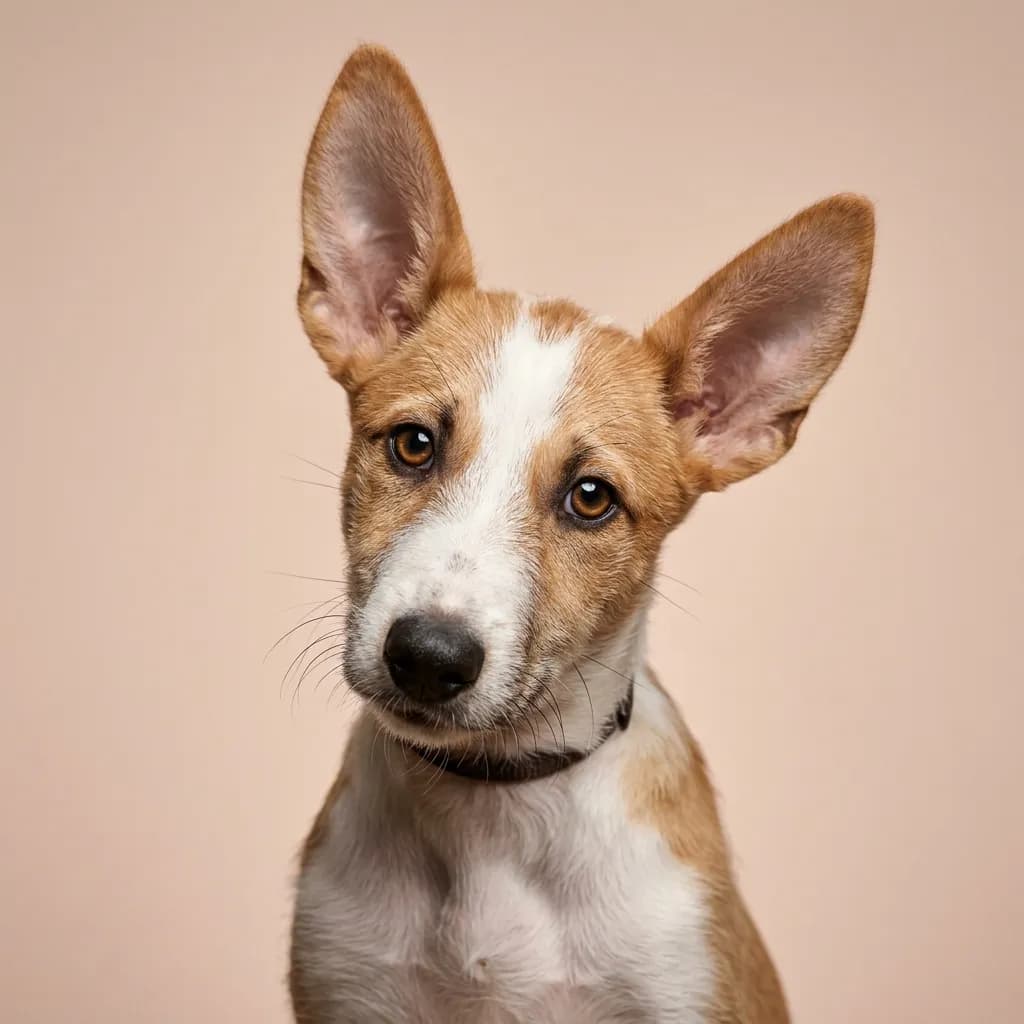
People compare Cesky Terriers and Ibizan Hounds because both are rare, sleek, and quiet. on paper they sound like quiet apartment companions that don’t shed much. But that’s where the similarities end. Think of it this way: the Cesky is your calm, thoughtful neighbor who enjoys walks and family game night, while the Ibizan is the long-distance runner who needs wide-open space and a job that challenges her mind. The Cesky, weighing in under 25 pounds, fits neatly into city life. It’s adaptable, affectionate, and great with kids. It’s bred to work in dense forests, so it’s clever and persistent, but not hyper. You’ll need to groom it regularly and watch for health issues like Scottie cramp, but it’s a steady presence. moderate energy, moderate barking, and deeply loyal. The Ibizan, nearly twice the size and built like a desert ghost, thrives on movement. It was bred to course rabbits over rugged terrain, and that instinct doesn’t fade in a backyard. It needs a securely fenced yard. like, really secure. because a squirrel sighting could trigger a full-blown chase. It’s affectionate with its family but more reserved with kids. Without mental and physical challenges, it’ll find its own entertainment, usually involving a leap over your fence. Here’s the real talk: both are rare, but the Ibizan’s need for space and stimulation makes it a niche pick. The Cesky might be pricier, but it’s easier to live with if you’re not an athlete. If you want a quiet, family-friendly dog that fits most lifestyles, go Cesky. If you’re active, have space, and love a dog that thinks like a wild thing, the Ibizan will steal your heart. and your weekends.
Trait-by-trait
Higher bar = more of that trait. Shedding, barking, drooling, grooming flipped for readability.Where they diverge
Choose the Cesky Terrier if…
- Apartment living
- Families with children
- Less active individuals
- You value good with young children — Cesky Terrier scores noticeably higher.
Choose the Ibizan Hound if…
- Active owners
- Lure coursing sports
- Owners with secure fenced yards
- You value good with other dogs — Ibizan Hound scores higher here.