Chinese Shar-Pei vs Mudi
Side-by-side comparison across all 14 AKC trait ratings, with a clear verdict on which breed fits which kind of household.
Not sure which breed fits your life?
Answer five questions about your home, your schedule, and your tolerance for shedding. We’ll match you to your top three breeds from over 200.
Chinese Shar-Pei vs Mudi
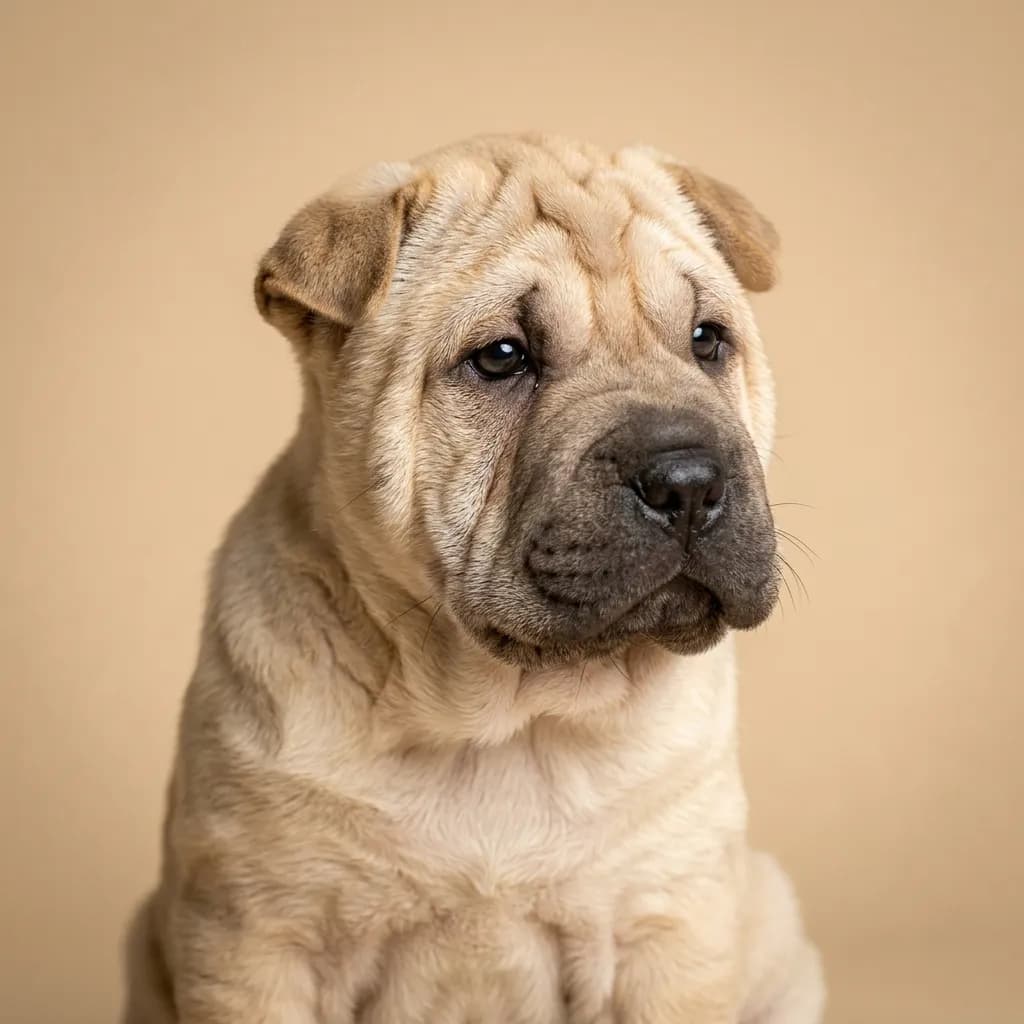
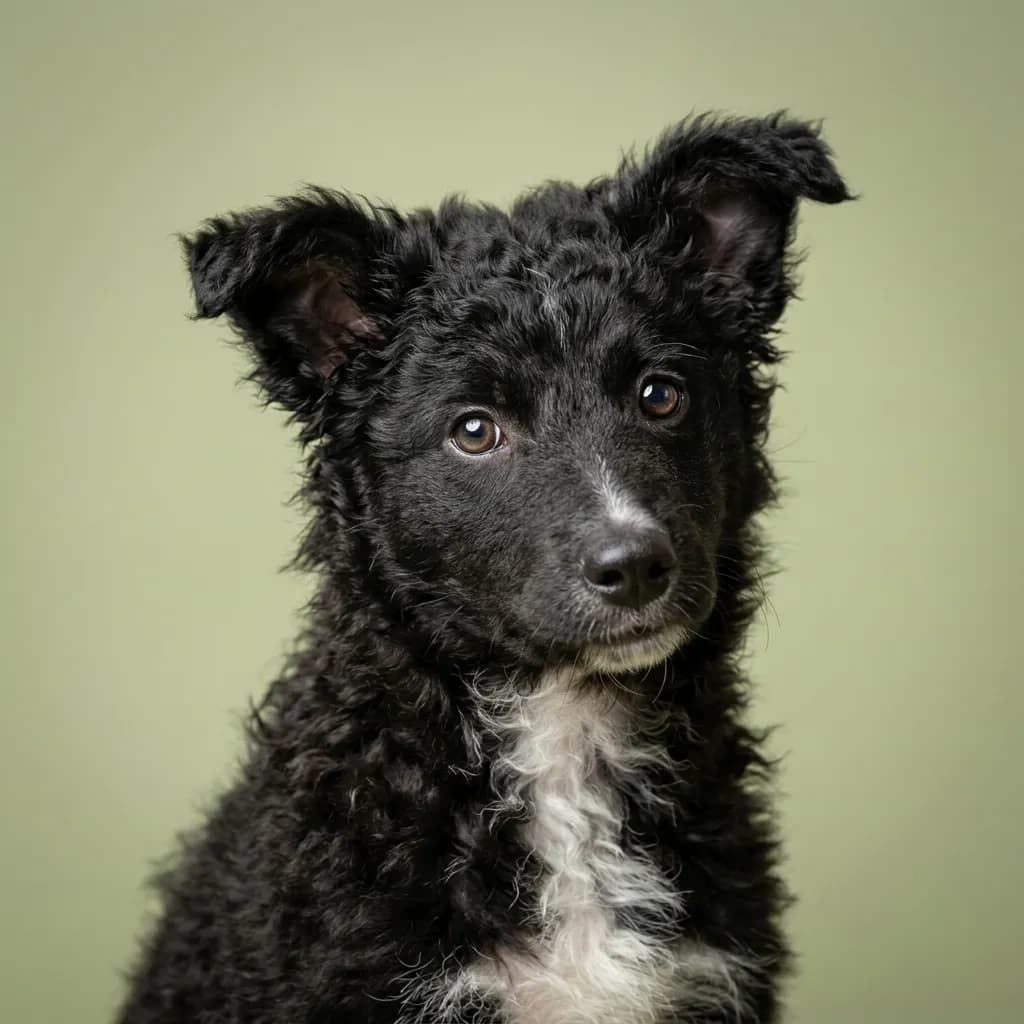
You don’t see a Shar-Pei and a Mudi in the same dog park often, but people compare them when they’re hunting for a rare, loyal, non-sporting dog that stands out. Both are alert, independent, and deeply bonded to their people. But that’s where the story splits. The Shar-Pei is the stoic guardian with wrinkles like armor. He’s calm in the house, happy to nap in a sunbeam, but he’s got a slow burn. emotionally and physically. He’s not eager to please, doesn’t love strangers, and if you’ve got another dog? Good luck. They’re prone to skin issues and a serious genetic fever syndrome, so vet bills can sneak up. But if you want a silent, dignified presence that follows you from room to room like a furry sentinel, he’s unmatched. The Mudi? He’s like the Shar-Pei’s caffeinated cousin. This Hungarian herder is whip-smart, loud, and always working. He’ll chase a squirrel like it’s his job because, well, it was. He’s lighter, lower maintenance on the grooming front, and lives a couple of years longer. But he needs a job. dog sports, hiking, training games. or he’ll invent his own, like barking at shadows or herding your kids off the porch. If you’re a first-time owner wanting a cuddly social butterfly, skip both. But if you’re experienced and want a true companion, ask yourself: are you building a fortress or running a farm? The Shar-Pei suits the quiet homeowner who values loyalty over liveliness. The Mudi thrives with active owners who speak fluent “dog” and don’t mind a little chaos. Here’s the real talk: the Shar-Pei looks tough but often hides a sensitive soul. The Mudi looks wild but can be oddly gentle with the right touch. Neither forgives poor training. Pick based on your energy, not just your aesthetic. One wrong match and you’ll be rehoming a dog you never meant to fail.
Trait-by-trait
Higher bar = more of that trait. Shedding, barking, drooling, grooming flipped for readability.Where they diverge
Choose the Chinese Shar-Pei if…
- Experienced dog owners
- Homeowners with fenced yards
- Those wanting a loyal guard dog
- You value shedding level — Chinese Shar-Pei scores noticeably higher.
Choose the Mudi if…
- Active families
- Experienced herding breed owners
- Dog sport enthusiasts
- You value playfulness — Mudi scores higher here.