Chinook vs Lancashire Heeler
Side-by-side comparison across all 14 AKC trait ratings, with a clear verdict on which breed fits which kind of household.

Not sure which breed fits your life?
Answer five questions about your home, your schedule, and your tolerance for shedding. We’ll match you to your top three breeds from over 200.
Chinook vs Lancashire Heeler
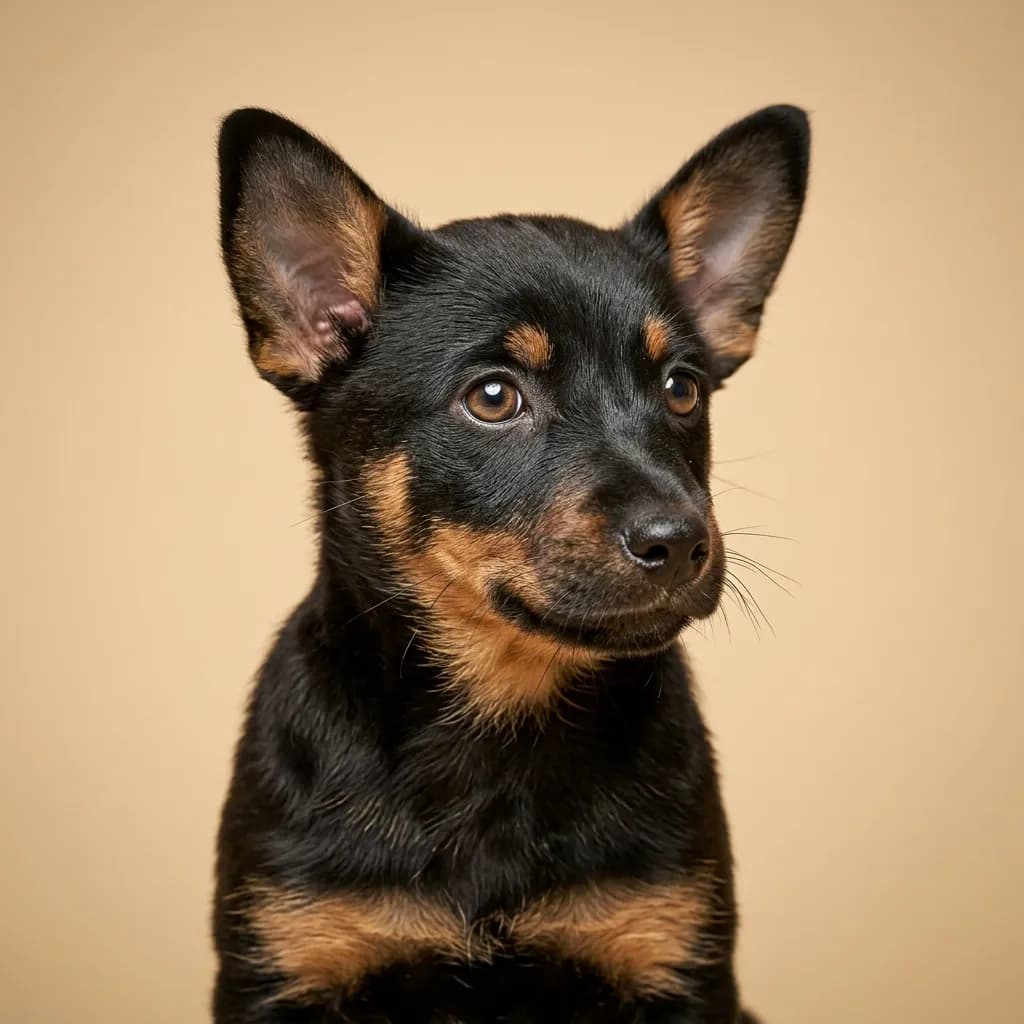
You’re not going to find many side-by-side Chinook and Lancashire Heeler debates at dog parks. mostly because you’d need a forklift to load one and a sweater pocket for the other. But somehow, people end up comparing them. Maybe it’s the shared rarity, or the “weirdly specific job history” charm. One was built to pull sleds through New England winters. The other was bred to nip cattle heels and dig rats out of barns in Northern England. Both are loyal, smart, and surprisingly good with kids. But that’s where the overlap ends. The Chinook is a gentle giant with the soul of an expedition dog. At 50 to 90 pounds, it needs space, cold weather, and a job. like pulling a sled, hiking 10 miles, or just dragging your kids through snow. It’s calm indoors but don’t mistake that for laziness. This dog wants to do. And it’ll bark. A lot. Not out of anxiety, but because it has opinions and stamina. Great for active families in colder states who don’t mind fluff on the couch. The Lancashire Heeler, meanwhile, is a firecracker in a tuxedo. Just 10 to 12 inches tall, it’s sharp, bold, and always plotting. It’ll herd your cats, guard your backyard, and win agility trials if you train it. It’s adaptable but not passive. First-time owners often get schooled by its independence. It’s not yappy, but it’s vocal when it matters. like alerting you to a squirrel breach. Here’s the real talk: the Chinook thrives when it’s part of a mission. The Heeler thrives when it thinks it’s in charge. Pick the Chinook if you want a devoted, family sled partner who’ll tolerate your slow pace. Pick the Heeler if you want a clever, compact sidekick who’ll keep you on your toes. literally and mentally.
Trait-by-trait
Higher bar = more of that trait. Shedding, barking, drooling, grooming flipped for readability.Where they diverge
Choose the Chinook if…
- Active families
- Cold climates
- Those wanting a sled dog
- You value coat grooming — Chinook scores noticeably higher.
Choose the Lancashire Heeler if…
- Active families
- Experienced dog owners
- Rural or farm settings
- You value good with strangers — Lancashire Heeler scores higher here.