Chinook
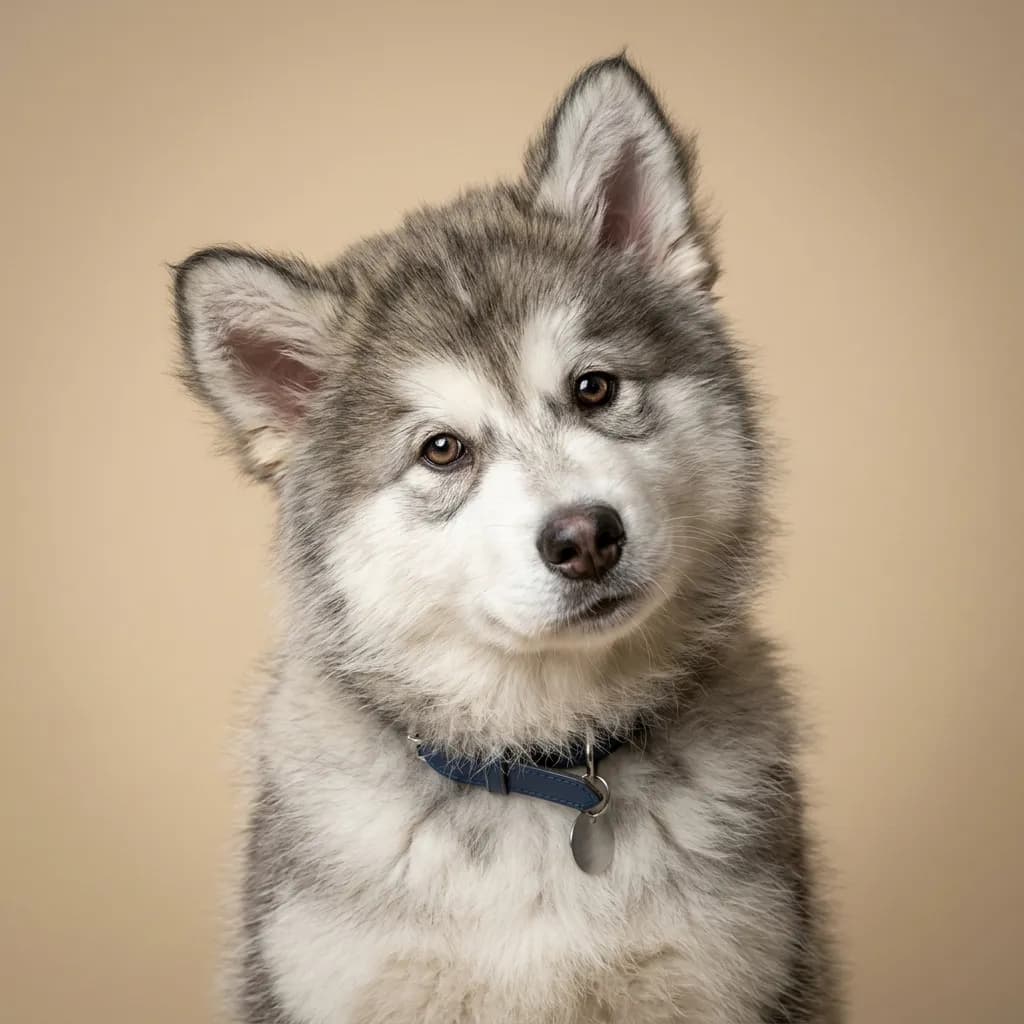
A rare American sled dog bred for pulling power rather than speed — steady, patient, and genuinely devoted to their people. One of the rarest breeds recognized by the AKC, they were nearly extinct in the 1980s and are still rebuilding numbers. Adaptable and good-natured, better suited to cold climates and active families than to urban apartments.

Free weekly training plan, specific to your Chinook’s age. Exactly what to focus on this week.
Get your free training planLiving with a Chinook
The Chinook isn’t your average dog. Developed in the 1920s in New Hampshire by Arthur Treadwell Walden, this rare breed was built for one thing: pulling sleds on brutal winter expeditions. It’s a working dog through and through, bred for endurance and grit, not show rings or viral Instagram fame.
Today, there are still fewer than 1,000 Chinooks worldwide, and they remain a quiet secret among sledding enthusiasts and active families in cold climates. In real life, they’re calm, deeply devoted, and surprisingly patient, especially with kids. You’ll find them rated a solid 5/5 for being good with children, not because they’re pushovers, but because they’re steady and thoughtful.
They don’t bark at nothing, but when they do bark, oh, they’ll bark. That’s 5/5 for barking for a reason, usually to alert you to something real, like a raccoon at the back door or the mail truck creeping down the street. Energy-wise, they’re moderate, not couch potatoes, but not manic either.
A 3/5 energy level means they need daily activity, ideally something purposeful. A walk around the block won’t cut it. They thrive on hikes, bikejoring, or even backyard agility setups.
Mental stimulation is less of a demand than physical work, which makes them easier to live with than some high-strung breeds, but you still can’t just leave them in the yard alone. They bond tightly and need inclusion. Grooming is manageable.
3/5 shedding means seasonal blowouts in spring and fall, but weekly brushing keeps it under control. The double coat handles subzero temps like a parka, but that also means they overheat fast in warm weather. If you live south of Tennessee, reconsider.
Health-wise, hip dysplasia and epilepsy are concerns, along with cataracts and cryptorchidism in males. Reputable breeders do clearances, so don’t skip vetting the breeder, this isn’t a breed to impulse-buy. With care, they live 12 to 15 years.
They’re perfect for active families who want a loyal, capable dog that loves outdoor adventures and tolerates chaos. Not for apartment dwellers, hot regions, or anyone who just wants a quiet pet. Here’s the real talk: the Chinook isn’t a dog you own.
It’s a partner. If you don’t have a job for it, it’ll invent one, and you might not like what it chooses.
14 traits, at a glance.
Every breed on PuppyBase is rated across the 14 trait dimensions the American Kennel Club publishes — from trainability to drooling level. The higher the score, the better the fit for that trait.
What to expect day-to-day
Things to screen for
- Skin conditions
- Cataracts
- Hip dysplasia
- Epilepsy
- Cryptorchidism
See a full price breakdown — first-year costs, lifetime estimate, breeder vs. adoption.
Full price guideSimilar breeds
Browse all 200+


Common questions
How long do Chinooks live?
Chinooks typically live between 12 and 15 years, which is on the longer side for a dog of their size. With proper care and regular vet checkups, many live into their mid-teens.
How much does a Chinook puppy cost?
A Chinook puppy usually costs between $1,500 and $3,500, with an average price around $2,500. Their high price reflects their rarity and the careful breeding programs needed to sustain the population.
How much do Chinooks shed?
Chinooks shed moderately year-round and may shed more during seasonal changes. Regular brushing helps manage loose hair, especially in homes where cleanliness is a priority.
What colors do Chinooks come in?
Chinooks come only in shades of tawny, ranging from light honey to reddish gold. This limited color range is a breed hallmark and any other coat color is disqualified in the show ring.
How big do Chinooks get?
Chinooks are medium to large dogs, standing 22 to 26 inches tall at the shoulder and weighing 50 to 90 pounds. Males are generally larger and more substantial than females.
Are Chinooks smart?
Yes, Chinooks are intelligent and quick to learn, especially when training involves consistency and positive reinforcement. They were bred for problem-solving on expeditions, so mental engagement matters.
Are Chinooks hypoallergenic?
No, Chinooks are not hypoallergenic. They have a medium-length coat and shed moderately, so they aren’t a good fit for people with allergies to dog dander.
Are Chinooks aggressive?
No, Chinooks are not aggressive. They’re known for being patient, gentle, and devoted, especially with family. They can be reserved with strangers but aren’t prone to hostility or unprovoked aggression.
What health problems are common in Chinooks?
Chinooks are prone to hip dysplasia, epilepsy, cataracts, cryptorchidism, and some skin conditions. Responsible breeders screen for these, but owners should stay alert for early signs.
Do Chinooks bark a lot?
Yes, Chinooks tend to bark frequently. They’re vocal dogs that use their voice to communicate, which can be a challenge in noise-sensitive environments like apartments.
Are Chinooks easy to train?
Yes, Chinooks are generally easy to train because they’re smart and eager to please. They respond best to patient, consistent methods and thrive when training includes variety and purpose.
Are Chinooks good family dogs?
Yes, Chinooks are excellent family dogs. They’re especially good with children, patient with household activity, and form strong bonds with everyone in the home.
Are Chinooks good with cats?
Chinooks can get along with cats, especially if raised together, but their prey drive varies. Supervision and early socialization are important to ensure peaceful coexistence.
Can Chinooks live in apartments?
No, Chinooks are not well-suited to apartment living. They need space, cold weather, and regular outdoor activity, so they do best in suburban or rural homes with yards.
Are Chinooks good guard dogs?
Chinooks aren’t attack dogs, but they make decent watchdogs. They’re alert and will bark to announce strangers, though they’re more likely to greet visitors than deter them.
When do Chinooks calm down?
Chinooks tend to stay moderately active through adulthood and don’t fully settle until around 3 to 4 years old. Even then, they remain engaged and responsive, not couch potatoes.
Not sure which breed fits your life?
Answer five questions about your home, your schedule, and your tolerance for shedding. We’ll match you to your top three breeds from over 200.