Chow Chow vs Dutch Shepherd
Side-by-side comparison across all 14 AKC trait ratings, with a clear verdict on which breed fits which kind of household.

Not sure which breed fits your life?
Answer five questions about your home, your schedule, and your tolerance for shedding. We’ll match you to your top three breeds from over 200.
Chow Chow vs Dutch Shepherd
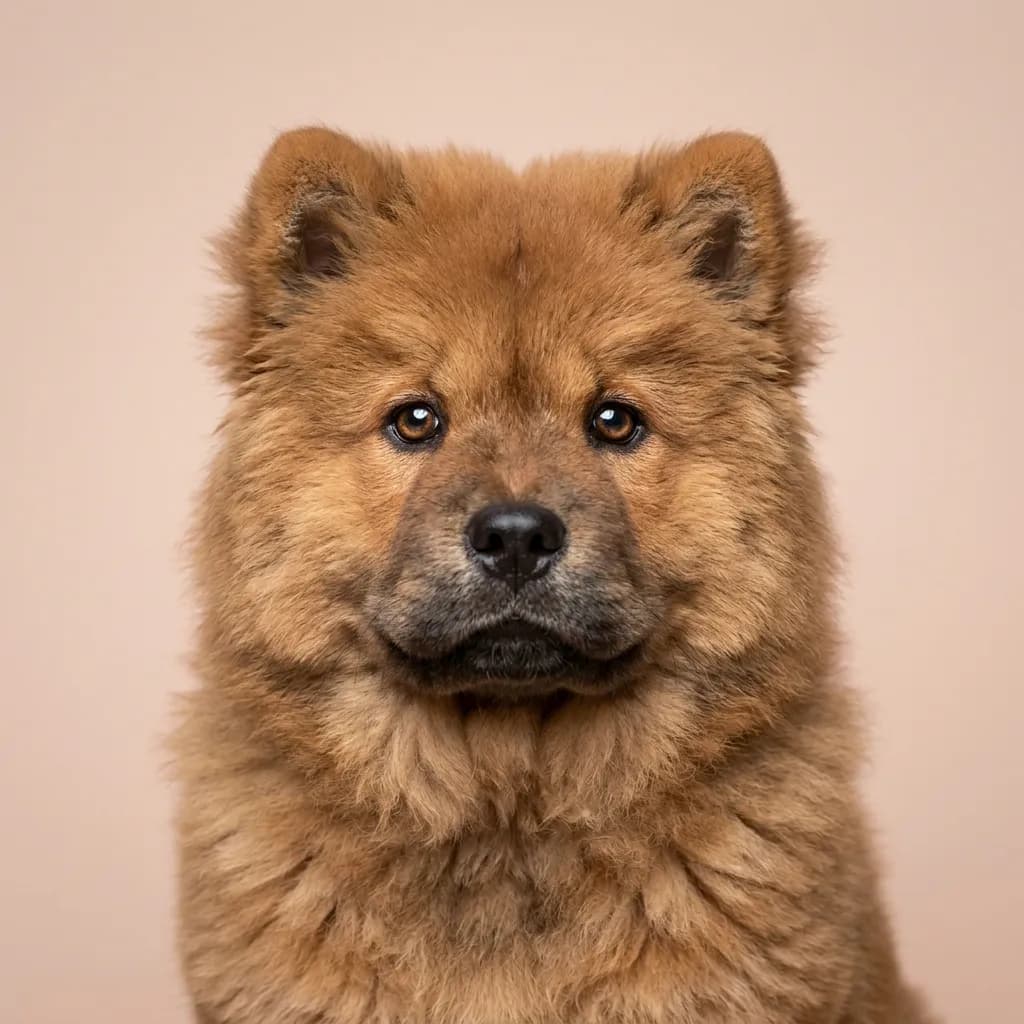
People compare Chow Chows and Dutch Shepherds because they’re both medium to large, loyal, and striking in their own way. like the reserved poet versus the intense athlete. But that’s where the similarities end. If you’re torn between them, you’re really asking what kind of life you want to live with your dog. The Chow Chow is a dignified, almost cat-like companion who’ll curl up beside you but won’t beg for attention. They’re deeply loyal, but on their terms. Great for quieter homes, adults-only households, or someone who values calm presence over constant engagement. They don’t bark much, shed moderately, and need minimal exercise. But don’t be fooled by their stillness. they’re independent thinkers. Training? Possible, but you’ll need patience and consistency. They’re not eager to please like the Dutch Shepherd. That dog is a machine. Bred to work all day on Dutch farms, the Dutch Shepherd thrives on movement, mental challenges, and a job to do. We’re talking off-leash agility, scent work, or long trail runs. They’re more energetic, more driven, and require an owner who’s just as active. They bond closely with family and can be good with kids, but they’ll outgrow a sedentary lifestyle fast. Here’s the real insight: The Chow Chow looks like a teddy bear but has the soul of a guardian; the Dutch Shepherd looks like a working dog but has the heart of a partner. Pick the Chow if you want a noble, low-key companion who observes life from a sunlit corner. Pick the Dutch Shepherd if you want a teammate who’ll push you to be better, faster, more involved. One fits a library, the other a mountain trail. Your lifestyle isn’t just a factor. it’s the deciding vote.
Trait-by-trait
Higher bar = more of that trait. Shedding, barking, drooling, grooming flipped for readability.Where they diverge
Choose the Chow Chow if…
- Experienced dog owners
- Less active households
- Adults-only homes
- You value coat grooming — Chow Chow scores noticeably higher.
Choose the Dutch Shepherd if…
- Active individuals
- Experienced dog owners
- Police and military work
- You value trainability — Dutch Shepherd scores higher here.