Chow Chow vs Kromfohrlander
Side-by-side comparison across all 14 AKC trait ratings, with a clear verdict on which breed fits which kind of household.

Not sure which breed fits your life?
Answer five questions about your home, your schedule, and your tolerance for shedding. We’ll match you to your top three breeds from over 200.
Chow Chow vs Kromfohrlander
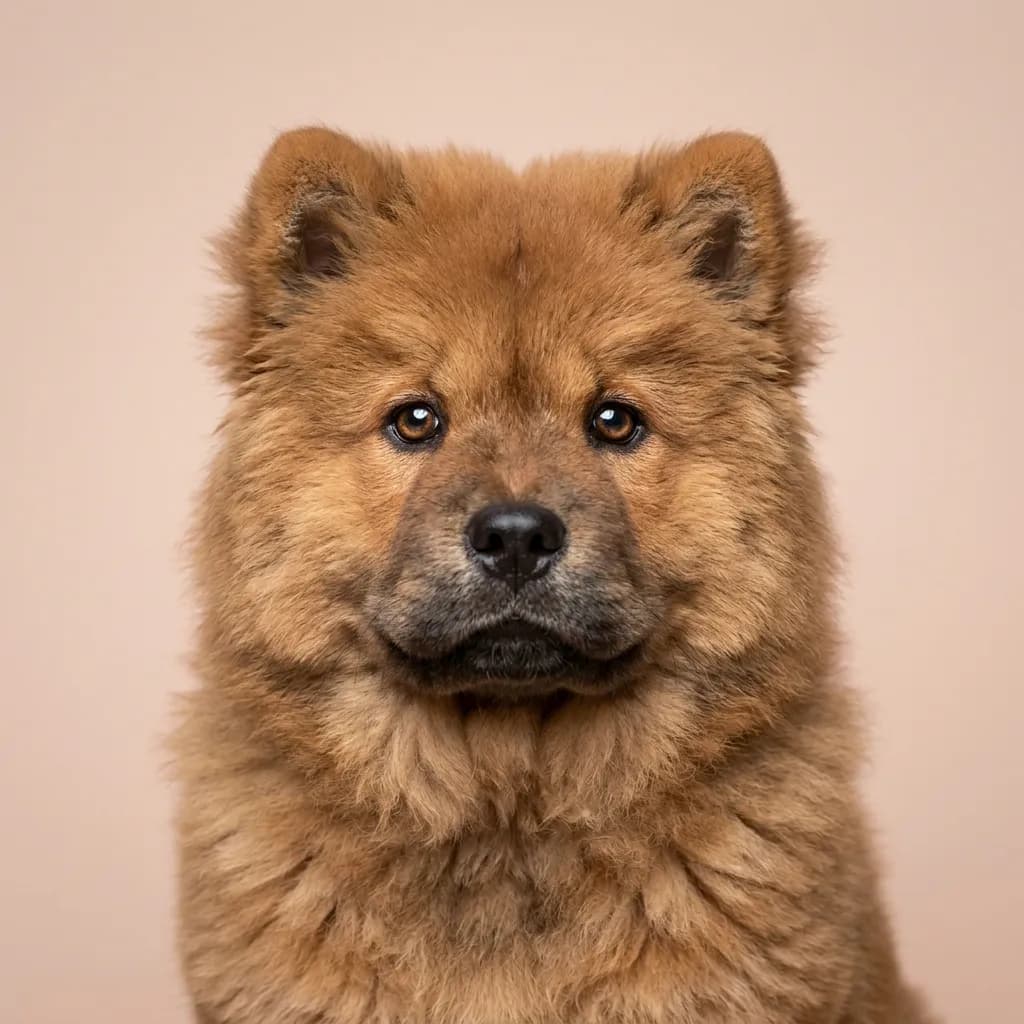
People don’t usually pit the Chow Chow against the Kromfohrlander. on paper, they’re worlds apart. But I get why the question comes up. Both are rare in the U.S., both have that “Wait, what is that?” factor, and both carry themselves like they’ve got secrets. If you’re drawn to the unusual but don’t want a circus act, these two pop up in the search results and make you pause. Here’s where they split hard. The Chow Chow is a 70-pound wall of fluff with a blue-black tongue and a default side-eye. They’re loyal in a regal, ancient-temple-guardian sort of way. You’ll earn their affection, but don’t expect kisses on demand. They’re not great with kids, don’t handle heat well, and training is a negotiation, not a command. You need experience with strong-willed breeds. They’re not dogs so much as furry, four-legged roommates who occasionally tolerate petting. The Kromfohrlander? Total opposite energy. Think of a spaniel who dropped out of art school to write poetry. Light, lively, and deeply attached, they thrive on interaction. They’re good with kids, way easier to train, and while they need routine care, they’re not shedding half their body weight twice a year like the Chow. They’re not guard dogs. they’re too busy leaning into your hand and sighing contentedly. One thing the data won’t tell you: the Chow Chow’s aloofness isn’t just temperament. It’s bred into their survival instinct from harsh climates and solitary work. The Kromfohrlander was literally made to be a companion. bred from a rescued stray dog found near a trash can in postwar Germany. One was built to endure. The other was built to love. Pick based on which need runs deeper in your home.
Trait-by-trait
Higher bar = more of that trait. Shedding, barking, drooling, grooming flipped for readability.Where they diverge
Choose the Chow Chow if…
- Experienced dog owners
- Less active households
- Adults-only homes
- You value coat grooming — Chow Chow scores noticeably higher.
Choose the Kromfohrlander if…
- families
- apartment living with sufficient exercise
- allergy-sensitive owners (smooth coat)
- You value good with strangers — Kromfohrlander scores higher here.