Clumber Spaniel vs Great Pyrenees
Side-by-side comparison across all 14 AKC trait ratings, with a clear verdict on which breed fits which kind of household.
Not sure which breed fits your life?
Answer five questions about your home, your schedule, and your tolerance for shedding. We’ll match you to your top three breeds from over 200.
Clumber Spaniel vs Great Pyrenees
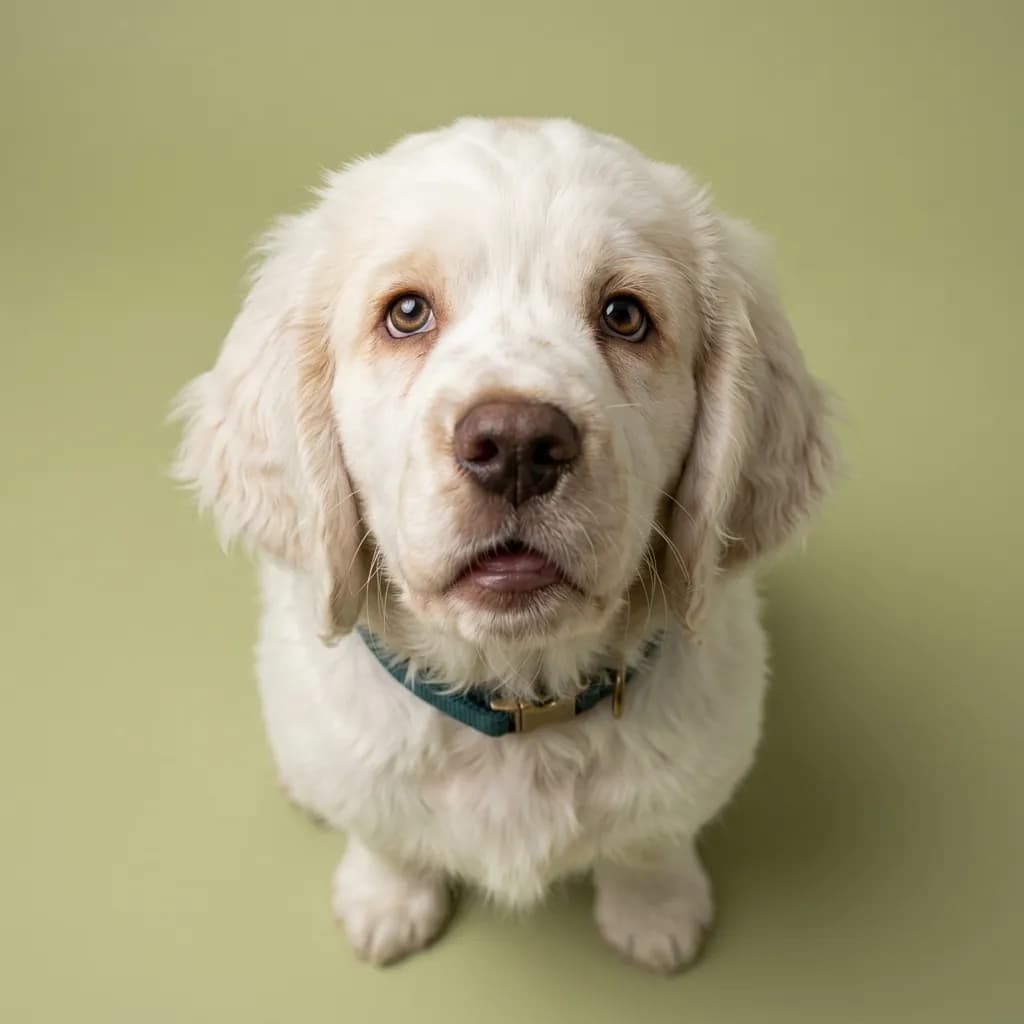
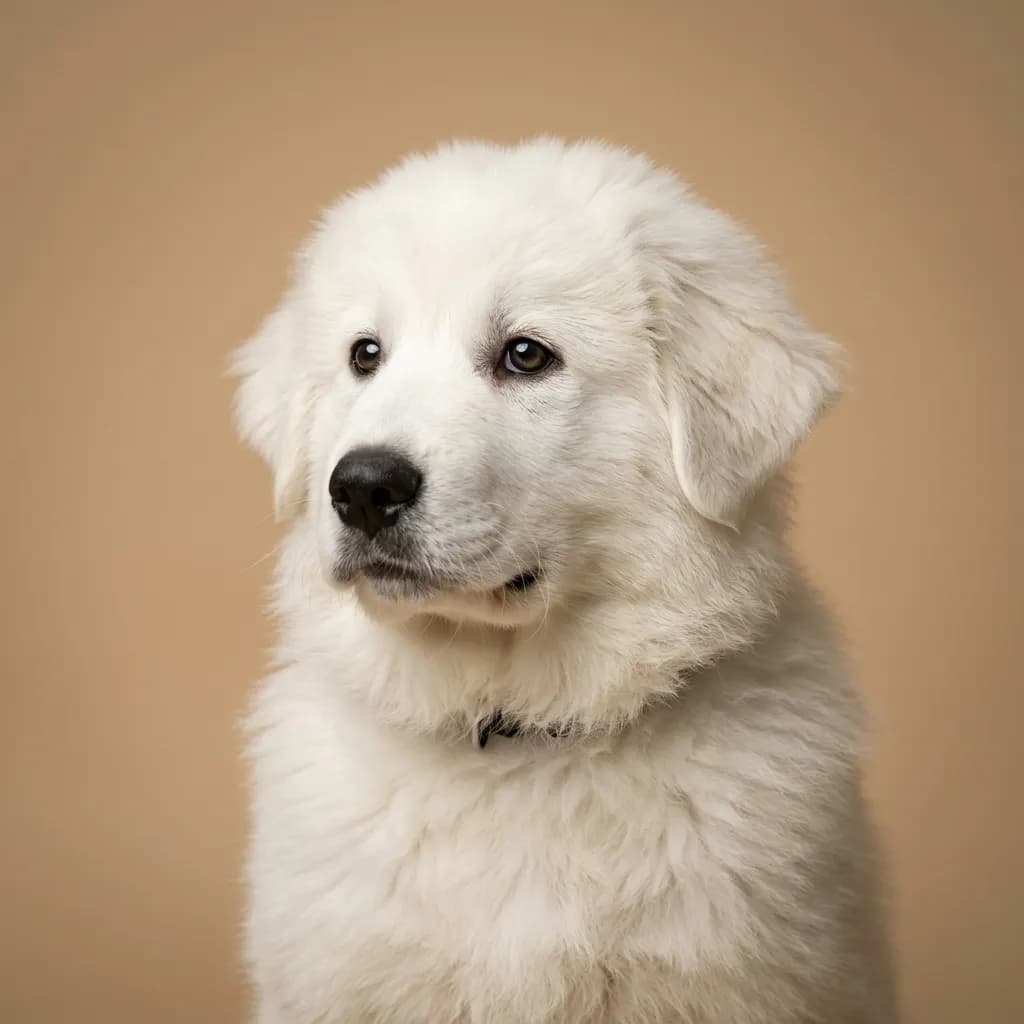
You wouldn’t expect people to compare a Clumber Spaniel and a Great Pyrenees at first glance. One looks like a dignified, slightly grumpy loaf of bread with ears, the other like a portable polar bear. But they show up together on family dog searches. both are big, gentle, and have that “noble calm” vibe. People see the mellow energy, the family-friendly rep, and think either could work. They’re wrong. These dogs live entirely different lives. The Clumber is your quiet partner in a slower-paced world. He’s built for creeping through thick brush flushing pheasants, not chasing wolves off cliffs. You’ll find him snoozing by the fireplace after a modest walk, happy in a suburban home with a yard. He’s easier to train, less likely to bark, and while he drools a bit, he won’t turn your couch into a wool shedding zone. But don’t expect a trail companion. he’s got moderate energy and a spine prone to issues if overworked. The Great Pyrenees? He’s not a house pet pretending to be noble. He’s a working guardian with an independent streak a mile wide. Bred to make life-or-death decisions at 3 a.m. on a mountainside, he won’t come when called because he’s not wired to take orders in high-stakes moments. He’s deeply affectionate with his family, but his instinct is to patrol, protect, and bark at shadows. You need space, cold weather, and a tolerance for dog hair like tumbleweeds. Here’s the truth the breeders won’t lead with: the Clumber wants to please you. The Pyrenees will tolerate you. and protect your kids like a silent sentinel. Pick the Clumber if you want a soft, goofy gentleman. Pick the Pyrenees if you’re ready to live with a wolf in a cardigan.
Trait-by-trait
Higher bar = more of that trait. Shedding, barking, drooling, grooming flipped for readability.Where they diverge
Choose the Clumber Spaniel if…
- Hunters
- Less active families
- Homes with a yard
- You value drooling level — Clumber Spaniel scores noticeably higher.
Choose the Great Pyrenees if…
- Livestock guardians
- Rural or farm living
- Families with children
- You value watchdog / protective — Great Pyrenees scores higher here.