Curly-Coated Retriever vs Harrier
Side-by-side comparison across all 14 AKC trait ratings, with a clear verdict on which breed fits which kind of household.
Not sure which breed fits your life?
Answer five questions about your home, your schedule, and your tolerance for shedding. We’ll match you to your top three breeds from over 200.
Curly-Coated Retriever vs Harrier
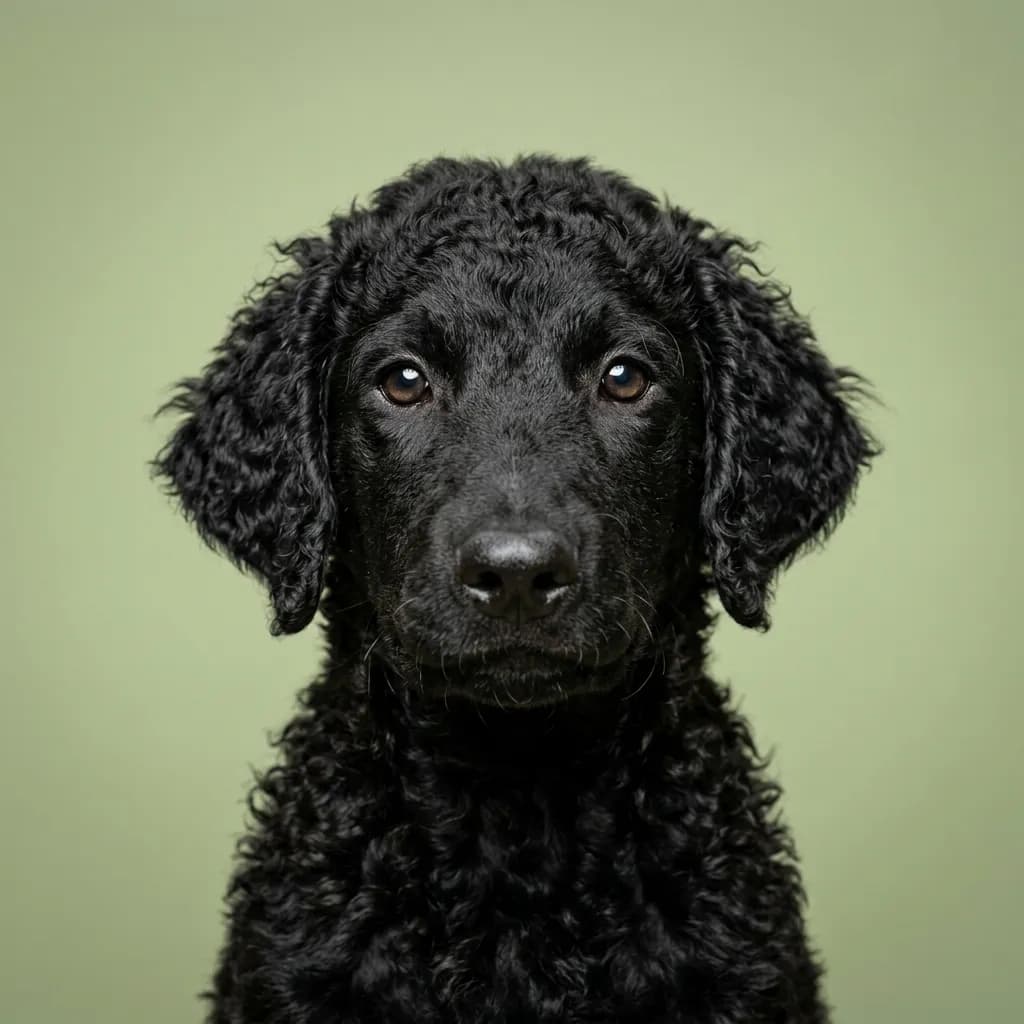
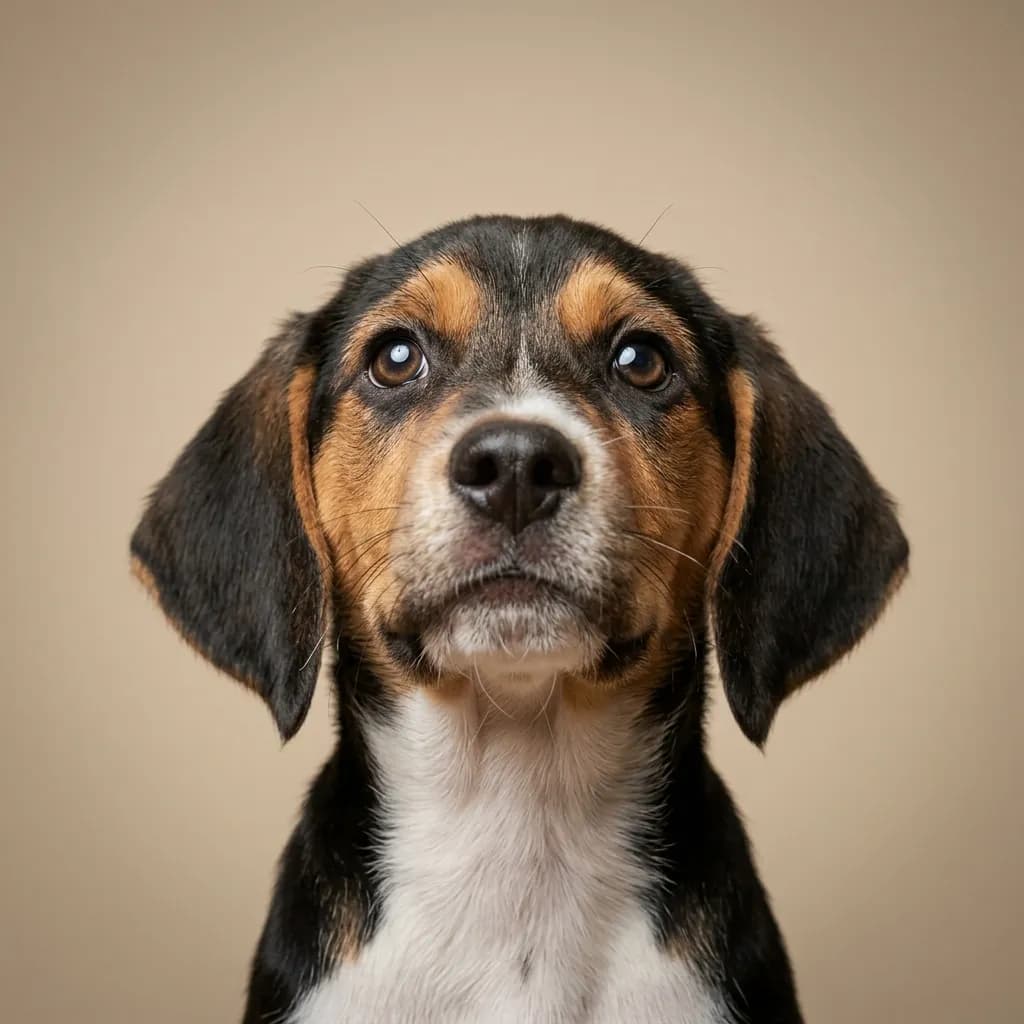
You don’t see people weighing a Curly-Coated Retriever against a Harrier every day, but when you do, it’s usually an active family or a hunter who wants a dog that pulls double duty. fieldwork and family life. Both are rare, both are energetic, and both will charm your kids with their goofy warmth. But that’s where the overlap ends. The Curly-Coated Retriever is the stealthy, water-loving genius of the pair. Built for icy marshes and long retrieves, this dog thrives when it’s working. whether that’s fetching ducks or tearing through agility drills. Its tightly curled coat barely sheds, which is great if you hate vacuuming, but don’t be fooled by the quiet exterior; this dog is intensely observant and needs a job. It’s not as vocal as the Harrier, but it’s more aloof with strangers and less likely to follow commands blindly. You’ll need experience to earn its respect. Then there’s the Harrier. imagine a foxhound’s energy with a beagle’s charm, scaled up. This dog was built to run for miles with a pack, baying after hares across open fields. That means it’s social to a fault, hates being alone, and will follow a scent over a cliff if you let it. Off-leash freedom is a fantasy unless you have a bulletproof recall, which most people don’t. But in the right setting. a rural home with space and a pack mentality. this dog is pure joy. Here’s the real talk: the Curly is a specialist with a narrow lane, while the Harrier is a social butterfly that needs constant engagement. If you’re near water and want a stoic, efficient worker, go Curly. If you’re on a farm or love group activities with other dogs, the Harrier will fill your life with noise, nose, and endless motion. Just don’t expect quiet.
Trait-by-trait
Higher bar = more of that trait. Shedding, barking, drooling, grooming flipped for readability.Where they diverge
Choose the Curly-Coated Retriever if…
- Active families
- Hunters and waterfowlers
- Cold and wet climates
- You value watchdog / protective — Curly-Coated Retriever scores noticeably higher.
Choose the Harrier if…
- Active families
- Hunters
- Rural living
- You value good with other dogs — Harrier scores higher here.