Curly-Coated Retriever
The most independent and self-assured of the retriever breeds — confident to the point of being almost Chow-like in their aloofness with strangers. That tight, distinctive curl coat is low-maintenance by retriever standards and nearly waterproof, which matches their working purpose perfectly. Takes longer to mature than a Lab but settles into a capable, durable hunting partner.
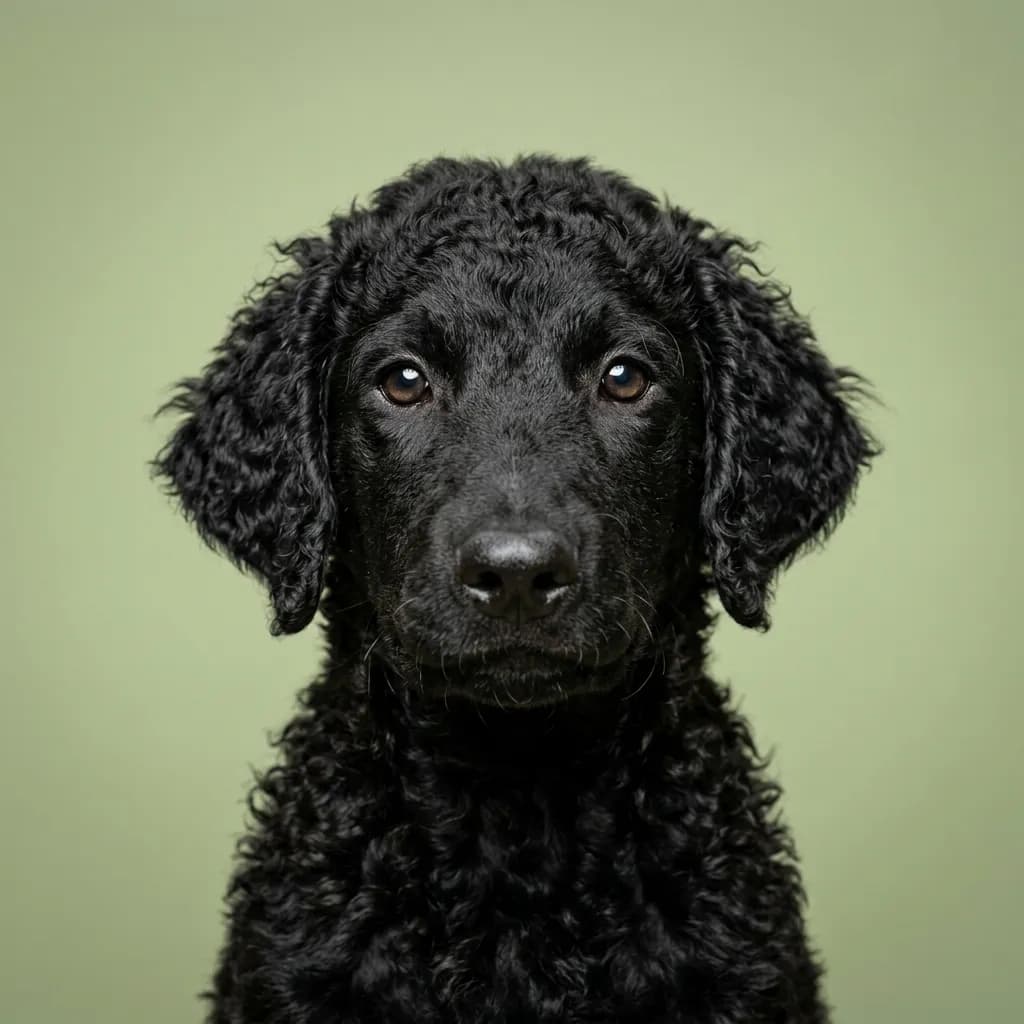
Free weekly training plan, specific to your Curly-Coated Retriever’s age. Exactly what to focus on this week.
Get your free training planLiving with a Curly-Coated Retriever
The Curly-Coated Retriever is one of those rare breeds that looks like a showpiece but works like a farmhand. Developed in England from old retrieving lines and possibly crossed with the now-extinct English Water Spaniel, this dog was built to swim in icy marshes, flush game from thick cover, and come back with a dead duck in its mouth like it was nothing. They’re the least common of the retrievers, but if you’ve got space, activity, and a sense of humor, they’re unforgettable.
Living with a curly isn’t for lazy weekends. These dogs are confident to the point of having opinions, proud in a way that can border on aloof with strangers, and wickedly smart, meaning they’ll figure out how to open your cabinets before your toddler does. They bond fiercely with their family and are outstanding with kids, scoring a solid 5/5 on both affection and kid-friendliness.
But don’t mistake that sweetness for low maintenance. They’ve got energy rated at 4/5 and need real work, long swims, retrieval drills, hikes with terrain, not just a lap around the block. Exercise-induced collapse is a real concern, so avoid overheating during intense activity.
Hip dysplasia and bloat are also part of the conversation, as with many deep-chested breeds, so feed in portions and skip the vigorous play right after meals. They live 10 to 12 years, and while PRA (progressive retinal atrophy) is a risk, reputable breeders screen for it. Know what you’re getting into, this isn’t a breed to impulse-adopt.
Their coat is low-shedding (2/5), which sounds great until you realize “curly” means high-maintenance grooming. You can’t just brush it. You need to hand-strip dead curls every few weeks or they’ll mat into dreadlocks.
It’s not glamorous work, but it’s necessary. They’re best for active families, hunters, or folks in cold, wet climates who don’t mind a dog that needs a job. Not for apartment dwellers, couch potatoes, or first-time owners who want a dog that’s eager to please every moment.
Trainability is high, but their pride means they’ll weigh whether they feel like obeying. Here’s the real talk: most people get a curly because they love the look. But you’ll keep one because you respect its mind.
This dog isn’t a golden with a different coat. It’s a thinker, a strategist, and if you’re not bringing mental challenges, you’re failing it.
14 traits, at a glance.
Every breed on PuppyBase is rated across the 14 trait dimensions the American Kennel Club publishes — from trainability to drooling level. The higher the score, the better the fit for that trait.
What to expect day-to-day
Things to screen for
- Bloat (GDV)
- Exercise-induced collapse
- Progressive retinal atrophy
- Epilepsy
- Hip dysplasia
See a full price breakdown — first-year costs, lifetime estimate, breeder vs. adoption.
Full price guideSimilar breeds
Browse all 200+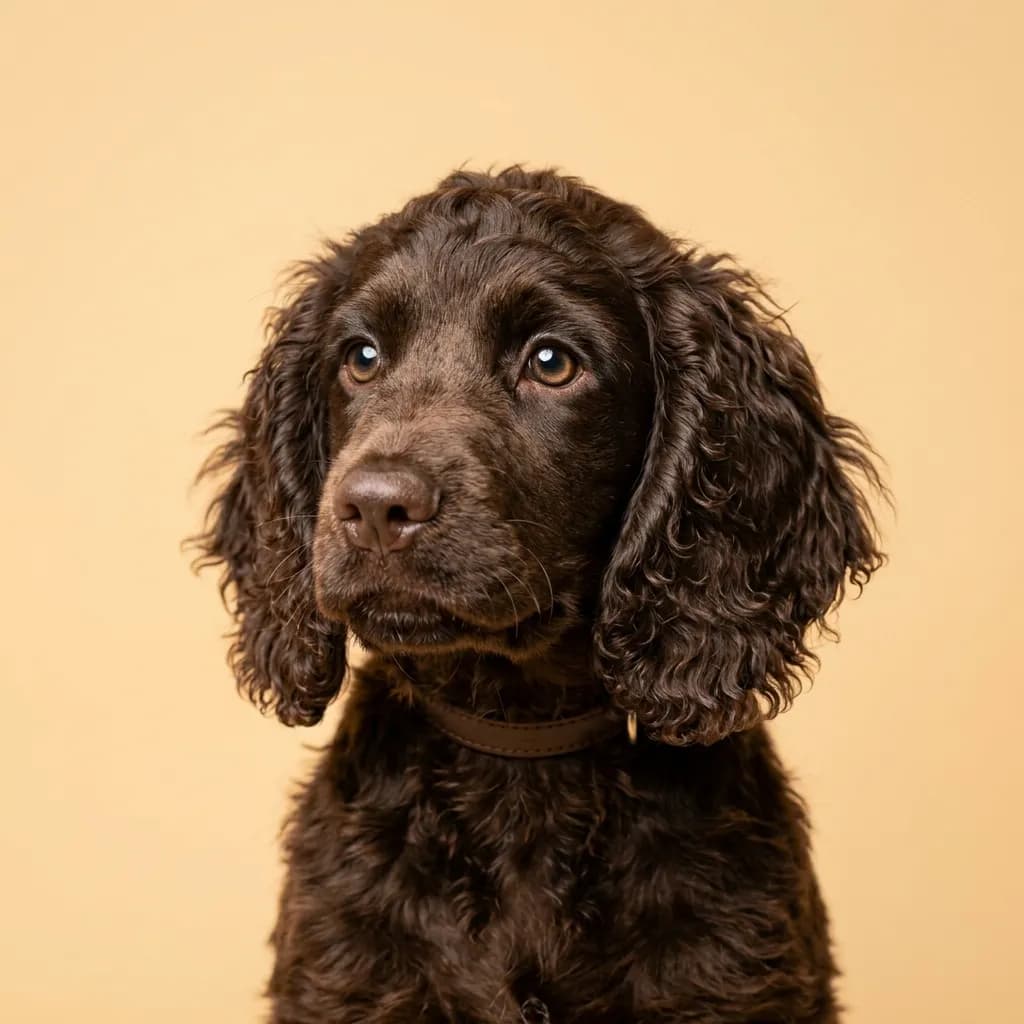
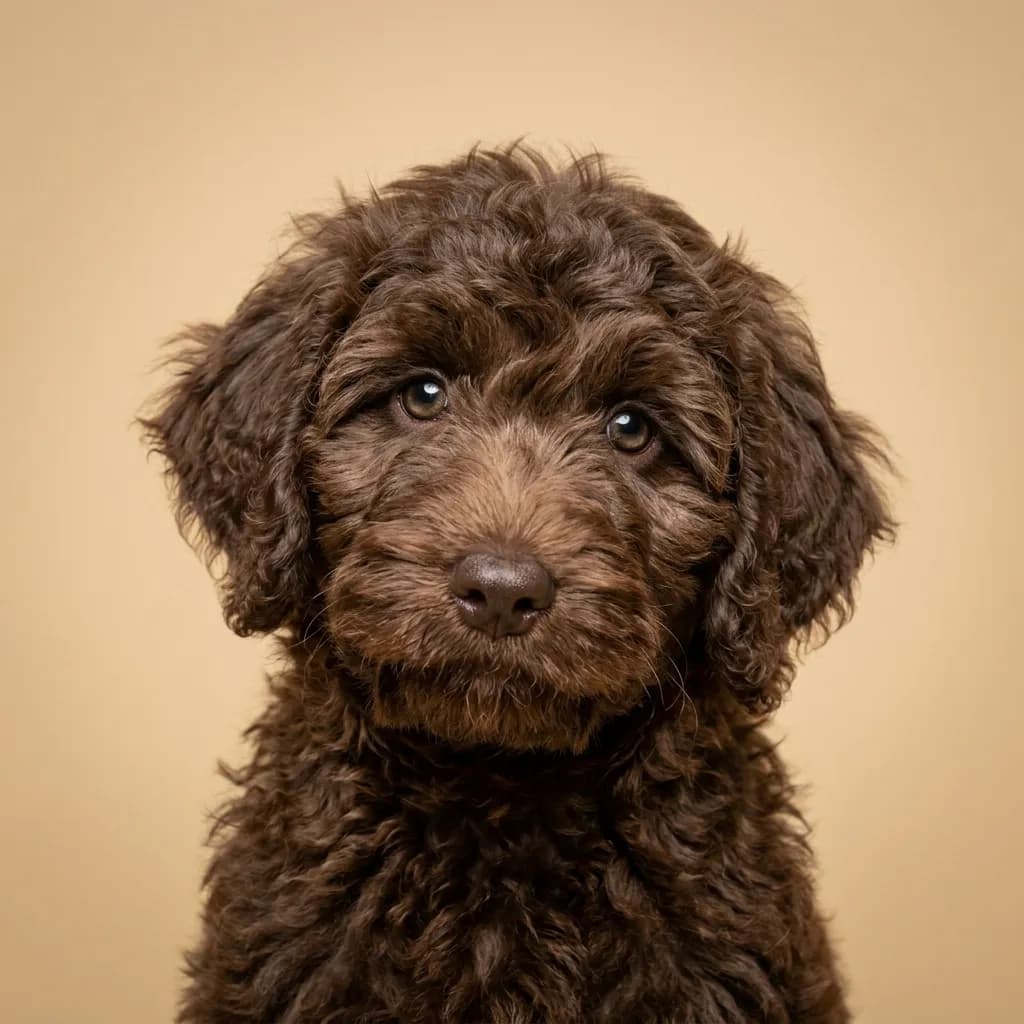
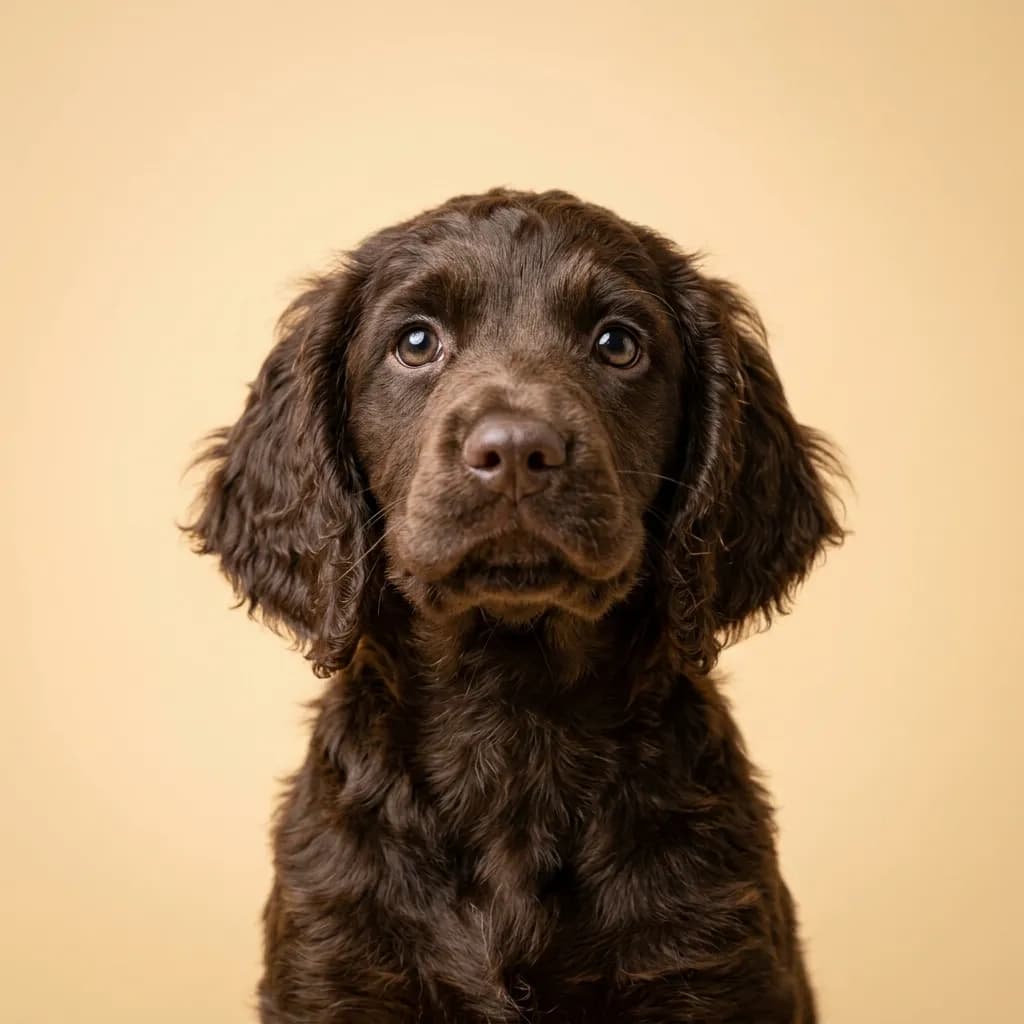

Common questions
How long do Curly-Coated Retrievers live?
Curly-Coated Retrievers typically live between 10 and 12 years. With proper care, a healthy diet, and regular veterinary checkups, some can reach the upper end of that range.
How much does a Curly-Coated Retriever puppy cost?
A Curly-Coated Retriever puppy usually costs between $1,500 and $3,500, with most buyers paying around $2,500. Prices vary based on breeder reputation, bloodline, and location.
How much do Curly-Coated Retrievers shed?
They shed very little compared to other retrievers. Their tight, curly coat keeps loose hair to a minimum, making them one of the lowest-shedding breeds in the Sporting Group.
What colors do Curly-Coated Retrievers come in?
Curly-Coated Retrievers come only in solid black or solid liver. No other colors or patterns are accepted by breed standards.
How big do Curly-Coated Retrievers get?
They stand 23 to 27 inches tall at the shoulder and weigh between 60 and 95 pounds. Males are typically larger than females.
Are Curly-Coated Retrievers smart?
Yes, they're wickedly smart and quick learners, especially when motivated. Their intelligence means they can get bored easily without proper mental challenges.
Are Curly-Coated Retrievers hypoallergenic?
No, Curly-Coated Retrievers are not hypoallergenic. While they shed minimally, they still produce dander that can trigger allergies.
Are Curly-Coated Retrievers aggressive?
They're not aggressive by nature, but they are reserved and watchful with strangers. Early socialization is important to prevent aloof or standoffish behavior from becoming suspicion.
What health problems are common in Curly-Coated Retrievers?
Common issues include hip dysplasia, bloat, progressive retinal atrophy, exercise-induced collapse, and epilepsy. Responsible breeding and health screening can help reduce risks.
Do Curly-Coated Retrievers bark a lot?
They bark moderately—enough to alert you to something unusual, but they're not chronic barkers. They tend to be more observant than vocal.
Are Curly-Coated Retrievers easy to train?
They're highly trainable but need consistent, positive methods. Their independent streak means they won't follow commands blindly like a Labrador might.
Are Curly-Coated Retrievers good family dogs?
Yes, they're very affectionate with their families and great with children. They do best in active homes that can match their energy and provide structure.
Are Curly-Coated Retrievers good with cats?
They can get along with cats, especially if raised together, but their strong prey drive means supervision is wise. Not all individuals will be trustworthy around small pets.
Do Curly-Coated Retrievers like water?
Yes, they love water and were built for it. Their tightly curled, nearly waterproof coat and strong swimming ability make them exceptional waterfowl retrievers.
Are Curly-Coated Retrievers good hunting dogs?
Absolutely—they're outstanding hunting dogs, especially in waterfowl and upland game retrieval. Their stamina, intelligence, and coat make them ideal for tough, wet conditions.
When do Curly-Coated Retrievers calm down?
They take longer to mature than most retrievers, often not settling into steady behavior until age 3 or 4. Until then, expect high energy and a mischievous streak.
Not sure which breed fits your life?
Answer five questions about your home, your schedule, and your tolerance for shedding. We’ll match you to your top three breeds from over 200.