Curly-Coated Retriever vs Saint Bernard
Side-by-side comparison across all 14 AKC trait ratings, with a clear verdict on which breed fits which kind of household.

Not sure which breed fits your life?
Answer five questions about your home, your schedule, and your tolerance for shedding. We’ll match you to your top three breeds from over 200.
Curly-Coated Retriever vs Saint Bernard
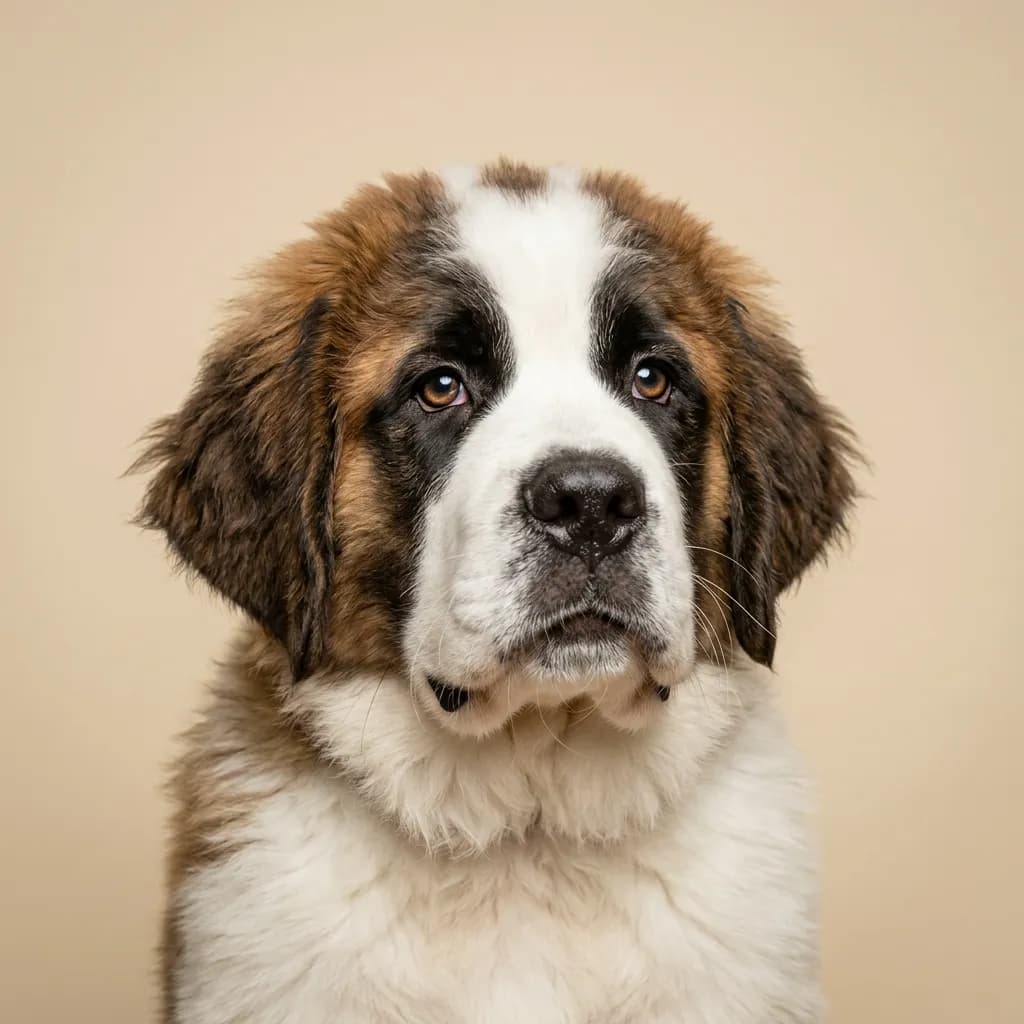
People compare Curly-Coated Retrievers and Saint Bernards because both are big, family-friendly dogs with a soft spot for kids and a coat that can handle snow. But that’s where the similarities end. Think of it like choosing between a sleek ski patrol sled and a warm, lumbering snowplow. both built for cold, both strong, but doing very different jobs. The Curly’s built for action. At 60 to 95 pounds, he’s lean, fast, and wired for water. If you’re duck hunting, hiking alpine trails, or just want a dog who’ll outlast the kids at the dog park, he’s your guy. He’s smarter and more driven than the Saint, easier to train, and sheds less. but he needs that mental and physical grind. Skip the stimulation and you’ll come home to a bored genius who’s reorganized your sock drawer. He’s not for couch potatoes or first-time owners. The Saint Bernard? He’s the gentle giant who thinks he’s a lap dog. At 120 to 180 pounds, he moves slower, barks less, and drools more than a leaky faucet. He’s calm indoors, sweet with toddlers, and thrives on being part of the family. even if that means napping in the kitchen while shedding fur like a woolly mammoth in spring thaw. He’s not built for agility or long hunts. He’s built for presence. Here’s the real talk: the Curly will outlive the Saint by a couple of years, but both face bloat and joint issues. The Saint’s health risks are heavier, and his size means vet bills and logistics. like door width and car rides. get complicated fast. Pick the Curly if you want an active partner. Pick the Saint if you want a peaceful, drooly monument to loyalty. Just know. neither will stay dry coming in from the rain.
Trait-by-trait
Higher bar = more of that trait. Shedding, barking, drooling, grooming flipped for readability.Where they diverge
Choose the Curly-Coated Retriever if…
- Active families
- Hunters and waterfowlers
- Cold and wet climates
- You value barking level — Curly-Coated Retriever scores noticeably higher.
Choose the Saint Bernard if…
- Families with children
- Those wanting a gentle giant
- Cold climate households
- You value drooling level — Saint Bernard scores higher here.