Czechoslovakian Vlcak vs Weimaraner
Side-by-side comparison across all 14 AKC trait ratings, with a clear verdict on which breed fits which kind of household.
Not sure which breed fits your life?
Answer five questions about your home, your schedule, and your tolerance for shedding. We’ll match you to your top three breeds from over 200.
Czechoslovakian Vlcak vs Weimaraner
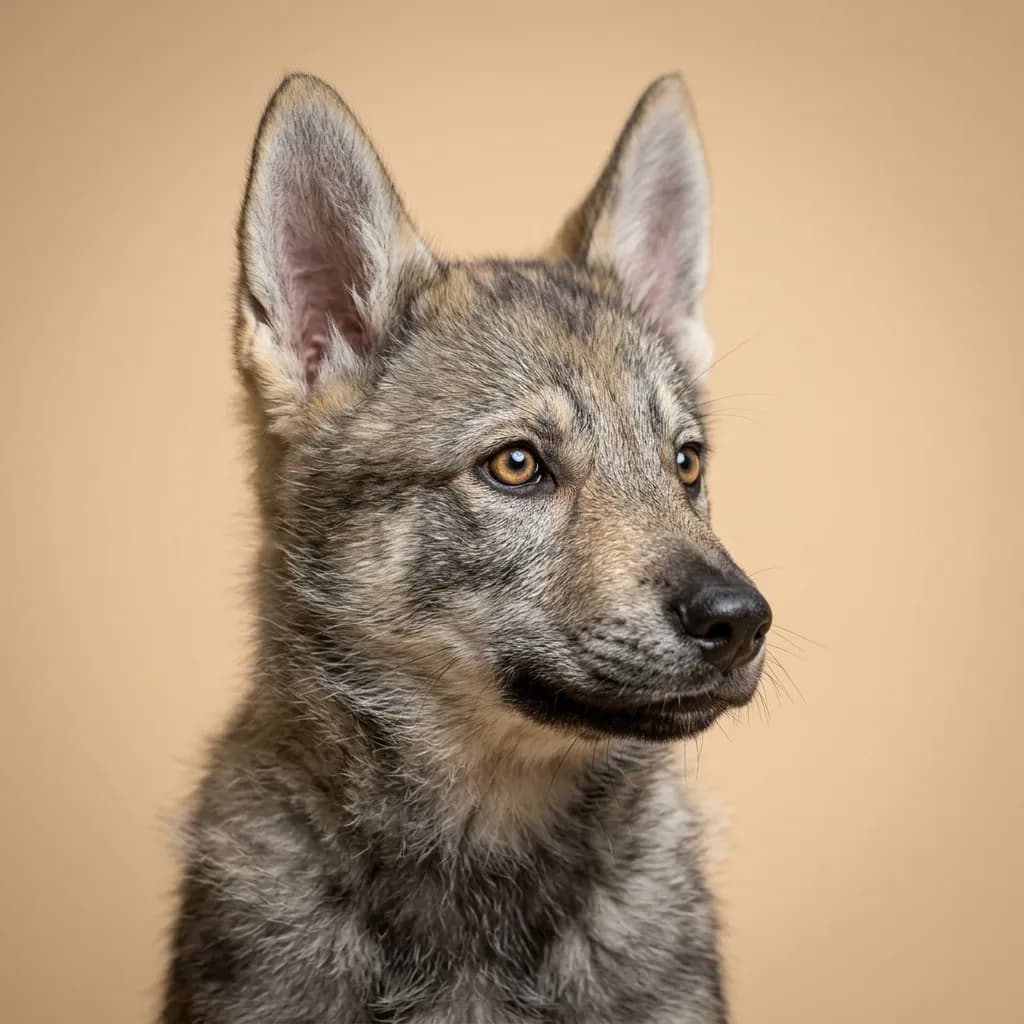
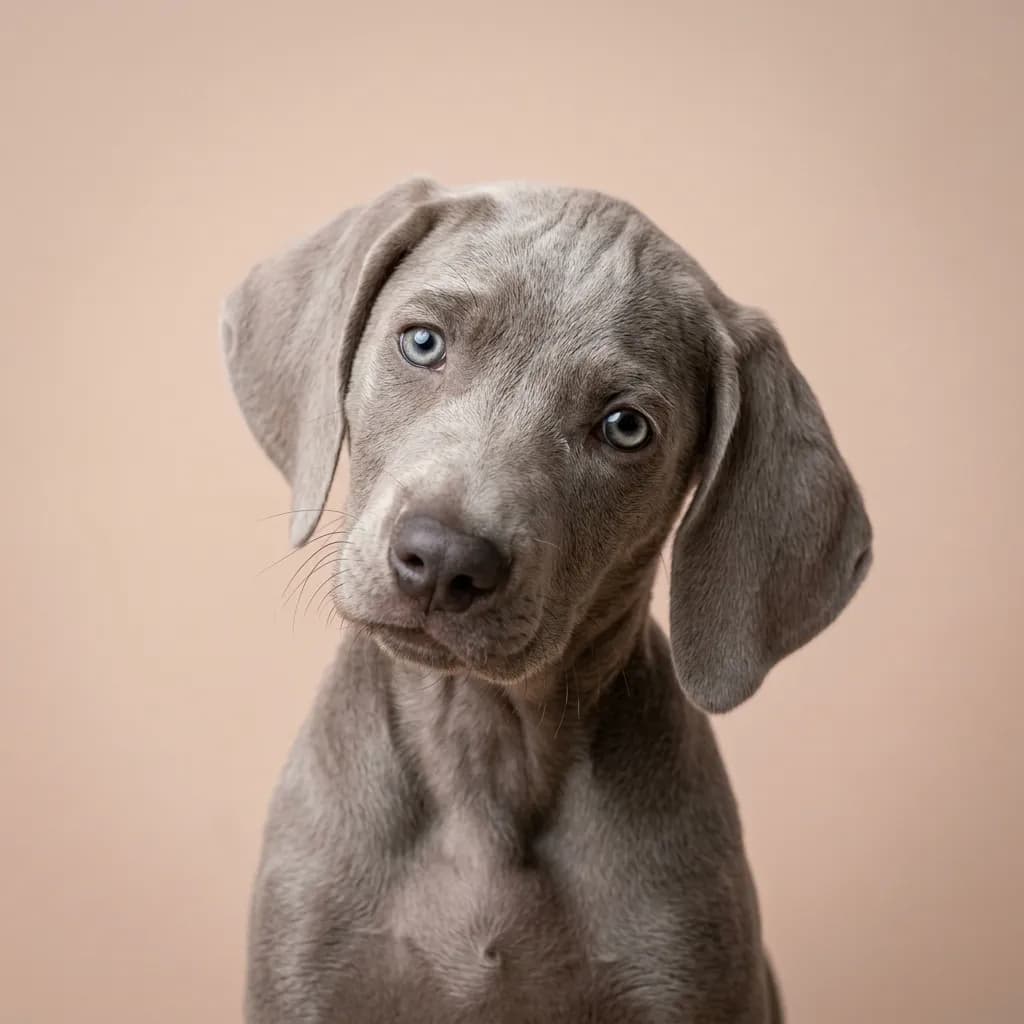
People compare the Czechoslovakian Vlcak and Weimaraner because they’re both large, sleek, silver-coated dogs with a wild look and serious energy. But that’s where the similarities end. Think of the Vlcak as the feral poet of the two. descended from wolf crossings, bred for military work in cold, remote zones, and still carrying that intense, almost primal focus. The Weimaraner? That’s the athletic scholar, bred to work closely with hunters, deeply bonded to people, and thriving on partnership. The real difference isn’t size or coat color. it’s trust and temperament. The Vlcak is loyal but selective. It won’t warm up to kids, strangers, or chaotic homes. You need decades of dog experience to read its subtle cues, and rural space to let it move without stress. It sheds constantly and needs relentless mental challenges, but it’s not trying to please you. It’s trying to survive with you. This isn’t a family pet. It’s a working relic. The Weimaraner, meanwhile, is all in. It wants to be near you, play with the kids, join your run, and flop on your couch. It’s easier to train, more adaptable to suburban life, and bonds ferociously. But leave it alone too long and it’ll shred your drywall from separation anxiety. It’s not wild. It’s deeply emotional. Here’s the truth the data won’t tell: the Vlcak doesn’t want to be loved. It wants to be respected. The Weimaraner needs to be loved, constantly. If you’re looking for a companion, go Weimaraner. If you want a near-wild partner who’ll test your skills daily and never act like a “normal” dog, the Vlcak might just change your life. if you’re ready.
Trait-by-trait
Higher bar = more of that trait. Shedding, barking, drooling, grooming flipped for readability.Where they diverge
Choose the Czechoslovakian Vlcak if…
- Very experienced dog owners
- Active individuals
- Rural environments
- You value shedding level — Czechoslovakian Vlcak scores noticeably higher.
Choose the Weimaraner if…
- Active families with space
- Hunters
- Runners and hikers
- You value good with young children — Weimaraner scores higher here.