Danish-Swedish Farmdog vs Kuvasz
Side-by-side comparison across all 14 AKC trait ratings, with a clear verdict on which breed fits which kind of household.
Not sure which breed fits your life?
Answer five questions about your home, your schedule, and your tolerance for shedding. We’ll match you to your top three breeds from over 200.
Danish-Swedish Farmdog vs Kuvasz
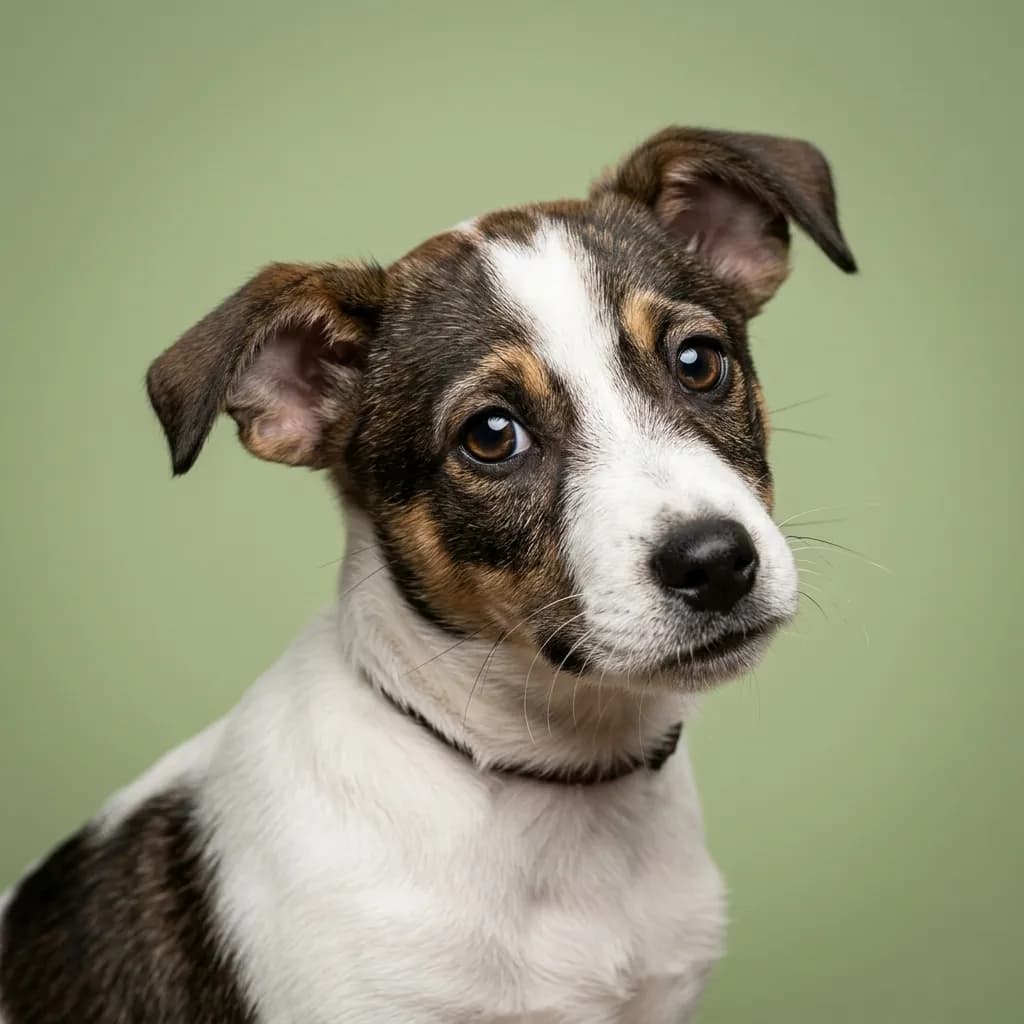
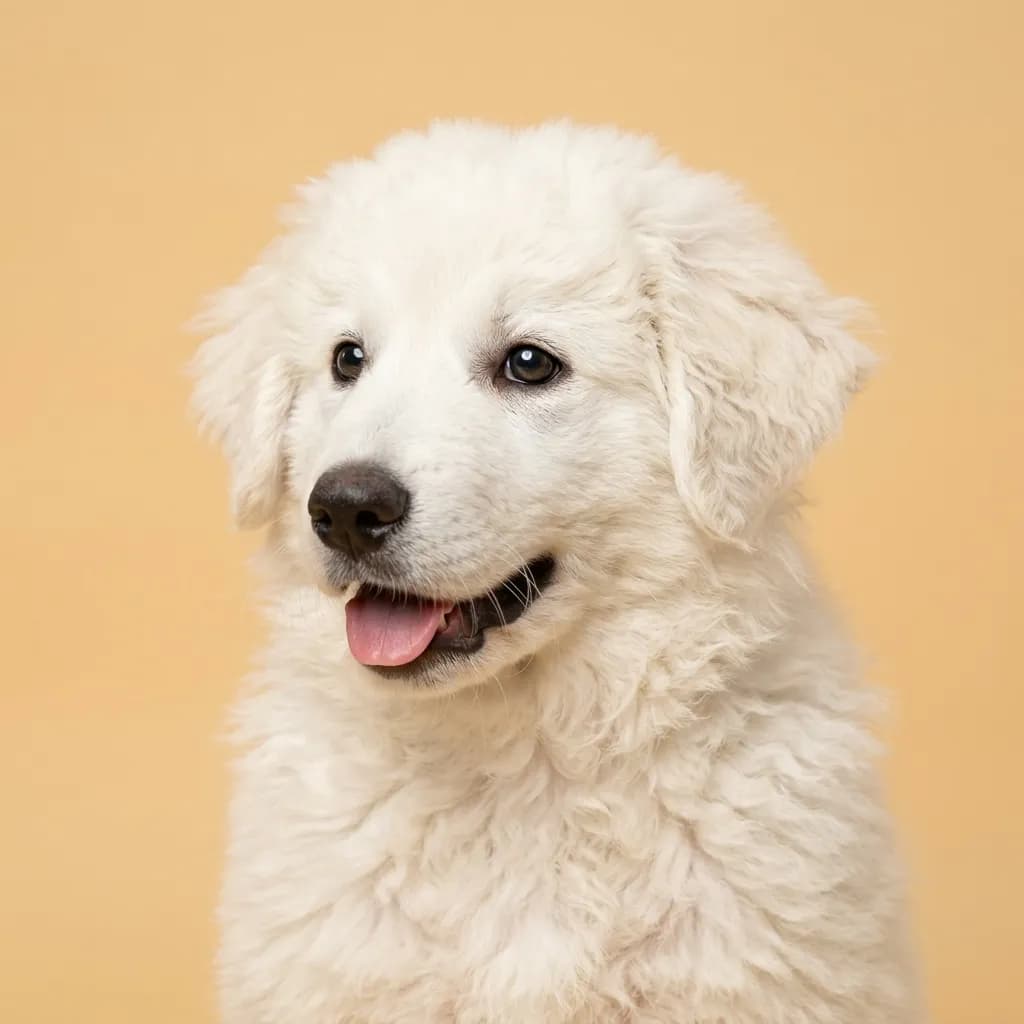
You’re probably not comparing a Danish-Swedish Farmdog and a Kuvasz because you’re torn between them. More likely, you’re deep in the dog research hole and stumbled on two white dogs with “farm” in their background. But here’s the truth: they might as well be from different planets. The Danish-Swedish Farmdog is the nimble, sharp little guardian of Scandinavian barns. 15 to 20 pounds of compact energy built for ratting, not rambling. He’s the kind of dog who’ll learn tricks fast, sleep curled up with your kid, and thrive in a city apartment as long as you take him on brisk walks and give him puzzle toys. He’s affectionate, adaptable, and nearly unflappable around children. If you’re a first-time owner who wants a loyal, manageable dog that still has a job-ready spark, he’s gold. The Kuvasz is another story. Think 115 pounds of white, lion-like livestock guardian bred to take on wolves. He’s fiercely loyal and deeply affectionate with his family, but aloof with strangers and not naturally a fan of chaotic kids. He’s not a couch potato. he needs space and a job, even if that job is just patrolling your acreage. He’s trainable in the sense that he’s intelligent, but he’s independent to a fault. You don’t own a Kuvasz. You earn his cooperation. Here’s the real insight: size isn’t the biggest difference. It’s purpose. The Farmdog was bred to work with people. The Kuvasz was bred to work for people. on his own terms. If you want a partner who fits into your life, go small. If you’re ready to build your life around a guardian, go big. And mean it.
Trait-by-trait
Higher bar = more of that trait. Shedding, barking, drooling, grooming flipped for readability.Where they diverge
Choose the Danish-Swedish Farmdog if…
- Active families
- Families with children
- Apartment living (with exercise)
- You value good with young children — Danish-Swedish Farmdog scores noticeably higher.
Choose the Kuvasz if…
- Experienced dog owners
- Rural or farm settings
- Cold climates
- You value shedding level — Kuvasz scores higher here.