Danish-Swedish Farmdog vs Mastiff
Side-by-side comparison across all 14 AKC trait ratings, with a clear verdict on which breed fits which kind of household.

Not sure which breed fits your life?
Answer five questions about your home, your schedule, and your tolerance for shedding. We’ll match you to your top three breeds from over 200.
Danish-Swedish Farmdog vs Mastiff
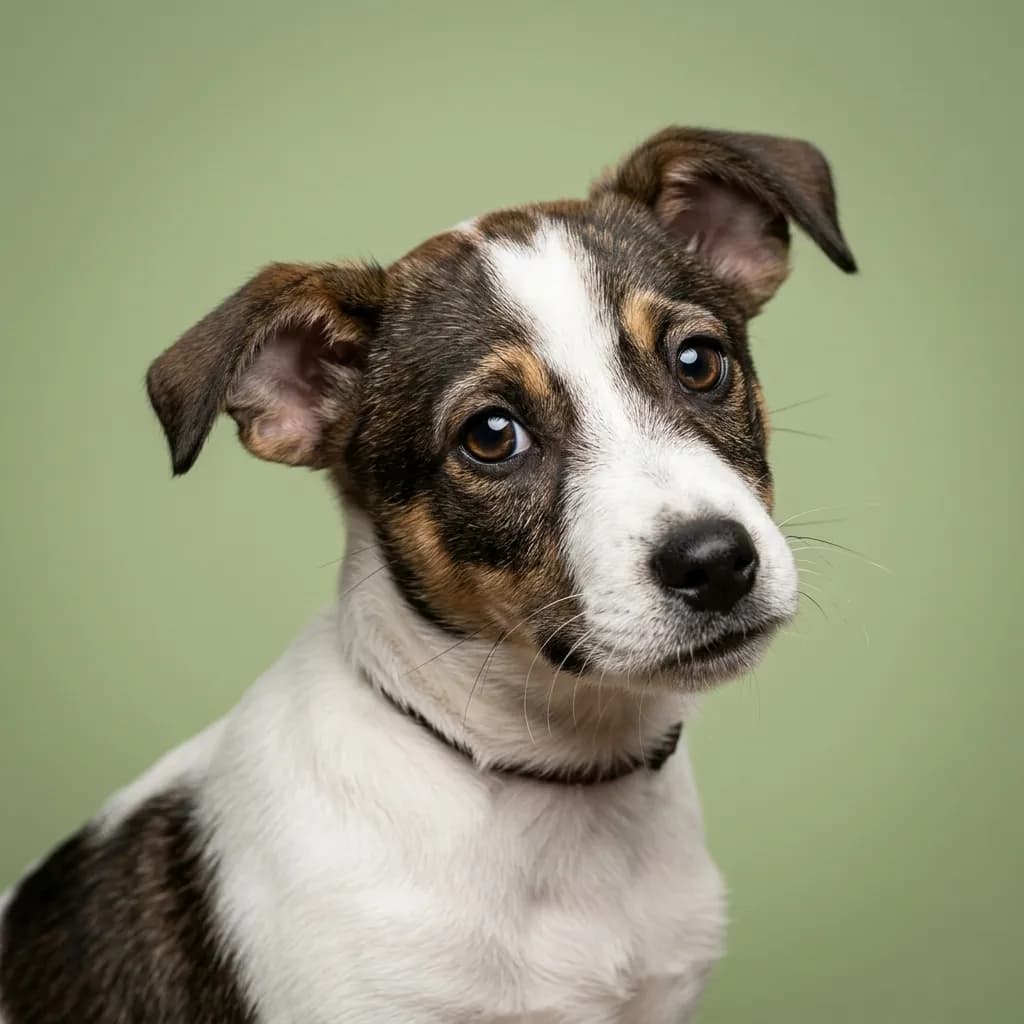
You’re not really comparing these two breeds because they’re alike. they’re polar opposites. You’re looking at them together because you’re torn between two dreams. One is the idea of a living teddy bear the size of a small horse, calm and noble, who’ll guard your home with quiet dignity. The other is a feisty, whip-smart little farmhand from Scandinavia who’ll thrive in your apartment as long as you take him on brisk walks and play puzzle games after dinner. The Mastiff is a commitment like adopting a retired linebacker. He’s sweet, deeply loyal, and great with older kids who know how to respect his space. But he eats like a teenager, costs a fortune in food and vet bills, and his life is tragically short. 6 to 10 years is heartbreakingly brief. You’ll need a big house, a big yard, and a big heart ready to say goodbye too soon. And yes, he’ll drool on your shoes. The Danish-Swedish Farmdog is the underdog most people don’t know. He’s lively, fearless, and bonds tightly with everyone in the family. At 15 to 20 pounds, he’s manageable anywhere, even a city studio, provided you give him work. tracking squirrels, learning tricks, herding your slippers. He’s not lazy. He’s a working dog with a sprinter’s spirit. Here’s the real talk: the Mastiff looks like a protector but often just wants to lean on you and sigh. The Farmdog looks like a pet but has the grit to actually defend you if needed. If you want presence and patience, go Mastiff. If you want spark and versatility, pick the Farmdog. Just don’t choose either without asking yourself: who’s walking whom?
Trait-by-trait
Higher bar = more of that trait. Shedding, barking, drooling, grooming flipped for readability.Where they diverge
Choose the Danish-Swedish Farmdog if…
- Active families
- Families with children
- Apartment living (with exercise)
- You value good with other dogs — Danish-Swedish Farmdog scores noticeably higher.
Choose the Mastiff if…
- Families with older children
- Experienced large-breed owners
- Those wanting a calm guardian
- You value drooling level — Mastiff scores higher here.