Deutscher Wachtelhund vs Irish Setter
Side-by-side comparison across all 14 AKC trait ratings, with a clear verdict on which breed fits which kind of household.

Not sure which breed fits your life?
Answer five questions about your home, your schedule, and your tolerance for shedding. We’ll match you to your top three breeds from over 200.
Deutscher Wachtelhund vs Irish Setter
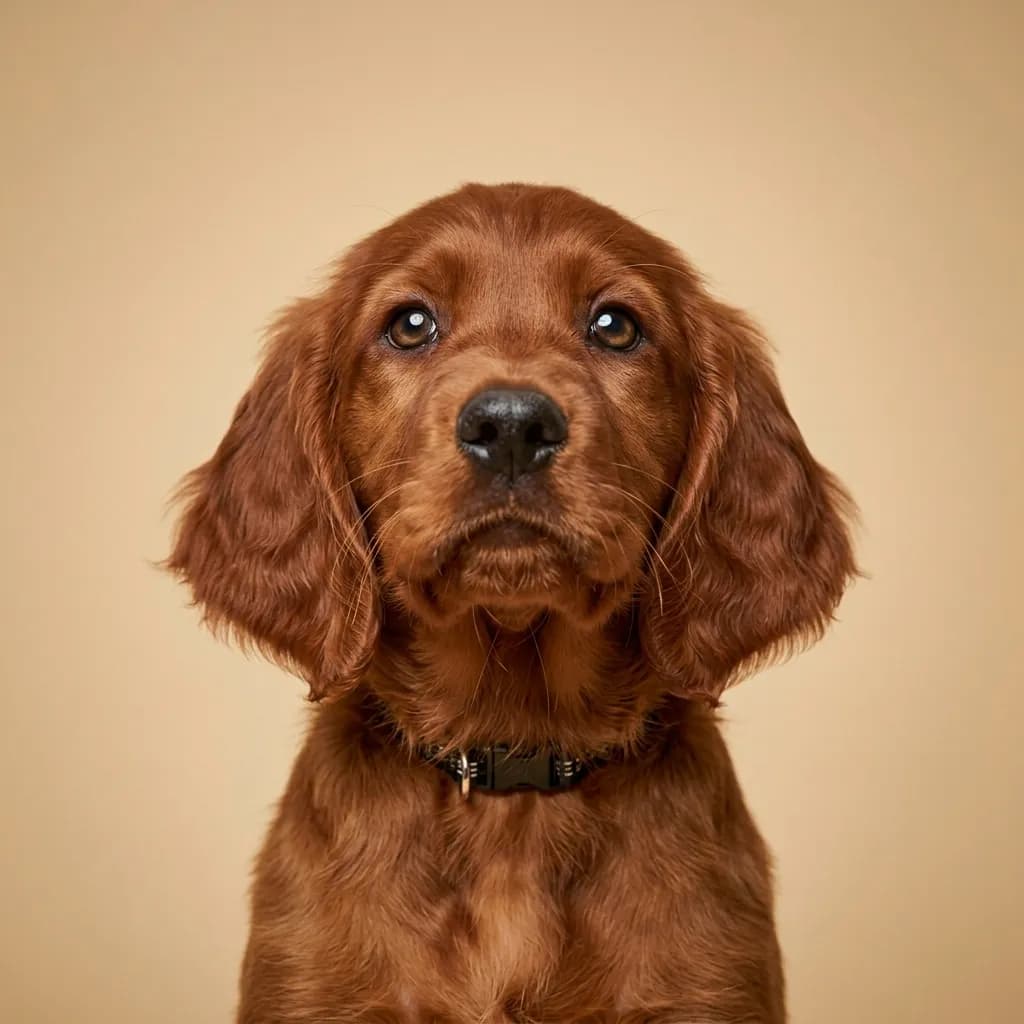
People don’t usually pit the Deutscher Wachtelhund against the Irish Setter, but if you’re an active hunter or outdoorsy type weighing a family dog, you might find yourself comparing these two versatile sporting breeds. On paper they seem similar. both love kids, thrive on activity, and have that warm, eager-to-please glow. But in reality, they’re built for different kinds of lives. The Deutscher Wachtelhund is the working specialist. At 40 to 55 pounds and just under 20 inches tall, it's compact, rugged, and built for endurance. This dog lives for the hunt, equally at home flushing birds in thick brush or retrieving from icy water. It’s less flashy than the Irish Setter but more focused, with moderate energy and lower shedding. ideal for hunters who want a dog that’s also a calm family companion. But it needs a job; without one, it’ll find its own, like dismantling your garden. The Irish Setter is pure fire and elegance. Tipping the scales at 60 to 70 pounds with that signature red coat, it’s built for open fields and long days on the move. Its energy is relentless. it’s a 5 out of 5 for a reason. You’ll need space, time, and a love for chaos because this dog is a joyful tornado. It adapts better to suburban life than the Wachtelhund, but only if you’re committed to daily exhaustion-level exercise. Here’s the real difference: the Wachtelhund is a tool, finely tuned for work. The Irish Setter is a partner, full of heart and drama. If you hunt multiple terrains and want efficiency, go Wachtelhund. If you want a loyal, dazzling companion for long hikes and family adventures, the Setter wins. But know this. the Irish Setter’s beauty comes with endless grooming, and that coat will be everywhere.
Trait-by-trait
Higher bar = more of that trait. Shedding, barking, drooling, grooming flipped for readability.Where they diverge
Choose the Deutscher Wachtelhund if…
- Hunters
- Active individuals
- Rural environments
Choose the Irish Setter if…
- Active families
- Hunters
- Outdoors enthusiasts
- You value good with other dogs — Irish Setter scores higher here.