Deutscher Wachtelhund vs Kai Ken
Side-by-side comparison across all 14 AKC trait ratings, with a clear verdict on which breed fits which kind of household.
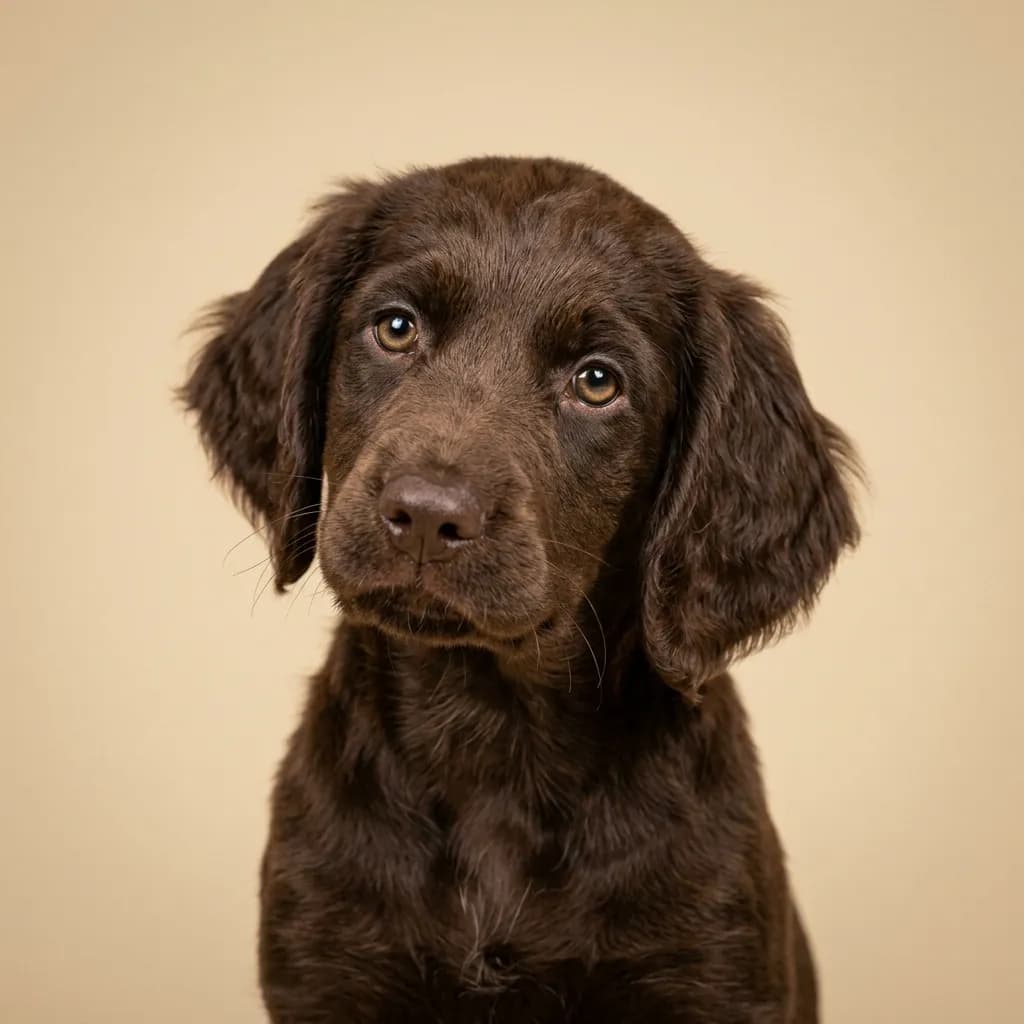
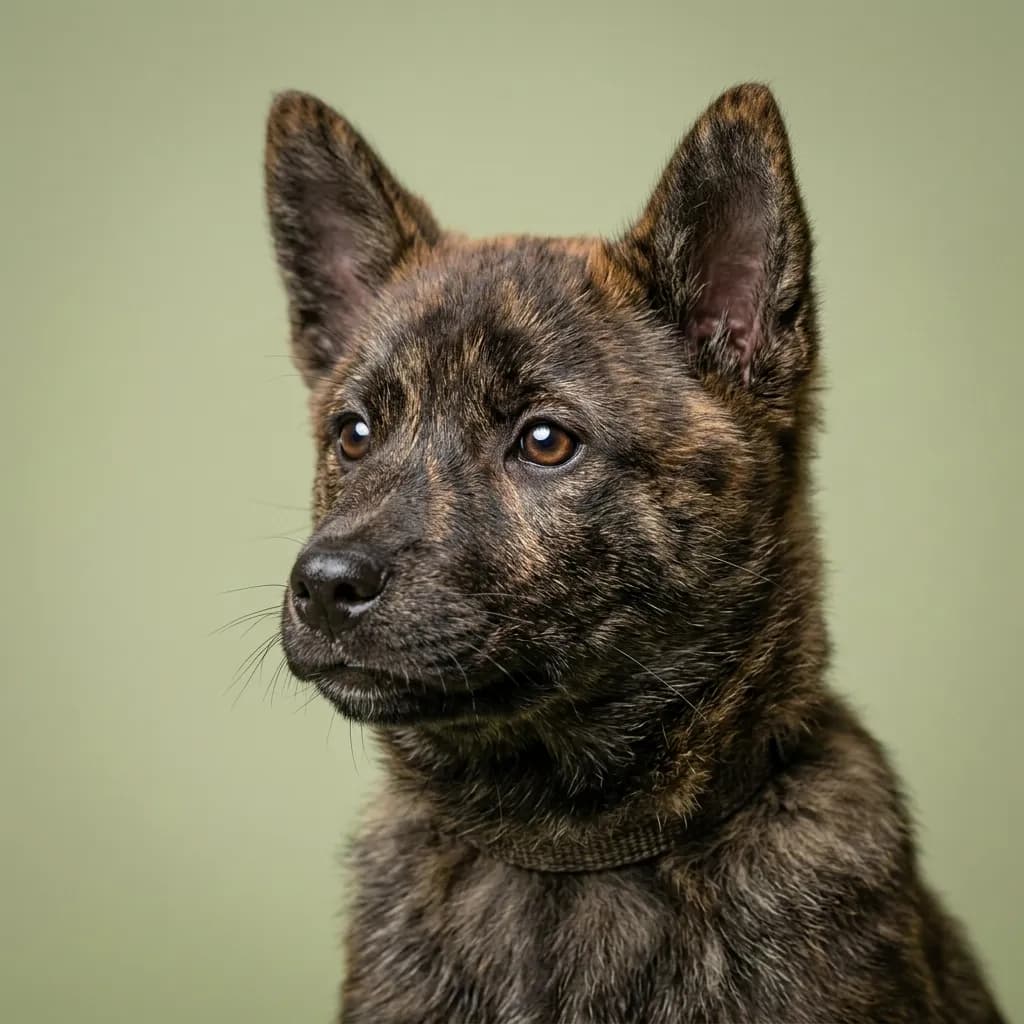
Not sure which breed fits your life?
Answer five questions about your home, your schedule, and your tolerance for shedding. We’ll match you to your top three breeds from over 200.
Deutscher Wachtelhund vs Kai Ken
You don’t see people lining up to compare a Deutscher Wachtelhund and a Kai Ken at dog parks. these aren’t breeds you stumble into. But if you’re deep into working dogs, rare breeds, or hunting with a purpose, you might find yourself torn between a German forest companion and a Japanese mountain survivor. Both are rare, both are FSS, and both thrive under experienced hands. But that’s where the overlap ends. The Wachtelhund is your all-weather, all-terrain hunting partner. It’s built for versatility. pointing, retrieving, tracking. and it wants to be part of your life, kids included. It’s friendly, adaptable to family rhythms (as long as you’re active), and will happily curl up after a long day in the field. You’ll pay a premium, but you’re getting a dog bred to work in rain, mud, and cold with a steady, cooperative mind. The Kai Ken? It’s more reserved, more intense. This dog was built to climb rugged Japanese slopes and trail game with precision. It’s loyal to its person, yes, but not eager to please strangers. or even toddlers. It’s not a family pet in the traditional sense. It needs space, cold weather, and a job. And it’ll do that job with quiet determination and surprising athleticism. Here’s the real difference: the Wachtelhund wants to join your life. The Kai Ken wants to escape into the wild with you. If you hunt diverse terrain and want a dog that’s both capable and companionable, go German. If you want a rare, focused, almost primal bond with a dog that thrives on challenge and isolation, go Japanese. One truth the data won’t tell you: the Kai Ken’s independence can feel like aloofness, even to seasoned owners. You don’t own a Kai Ken. You earn it.
Trait-by-trait
Higher bar = more of that trait. Shedding, barking, drooling, grooming flipped for readability.Where they diverge
Choose the Deutscher Wachtelhund if…
- Hunters
- Active individuals
- Rural environments
- You value good with young children — Deutscher Wachtelhund scores noticeably higher.
Choose the Kai Ken if…
- Experienced dog owners
- Active owners
- Cold climates
- You value watchdog / protective — Kai Ken scores higher here.