Kai Ken
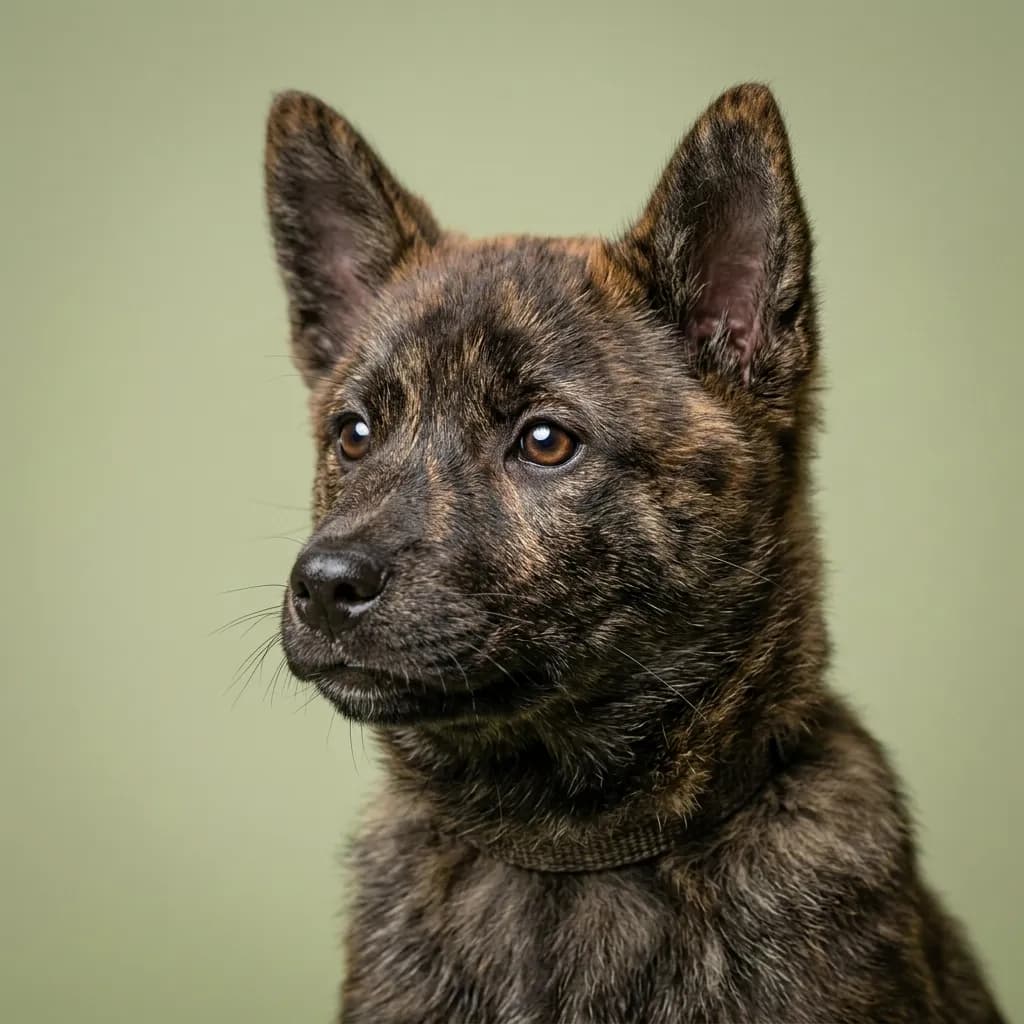
Japan's rare brindle mountain hunter — agile, loyal, and alert in a way that feels almost feral. Kais bond intensely with their person and can be standoffish with strangers, but they're never aggressive without reason. Their independent hunting instincts mean recall is a lifelong project, and small animals in the house are a genuine hazard.
Free weekly training plan, specific to your Kai Ken’s age. Exactly what to focus on this week.
Get your free training planLiving with a Kai Ken
The Kai Ken is one of Japan’s six native dog breeds, originally developed in the mountainous forests of the Kai region, now Yamanashi Prefecture, to hunt deer and wild boar. These dogs were bred for endurance, tenacity, and the ability to navigate rugged terrain, and that legacy is still obvious today. They’re medium-sized, typically weighing between 20 to 40 pounds with a lean, muscular build and a distinctive brindle coat that helps them blend into dappled forest light.
Recognized by the AKC’s Foundation Stock Service, they’re rare outside Japan and even rarer in the U.S, which means finding a responsible breeder takes time and often comes with a $1500 to $4000 price tag. In daily life, Kai Kens are alert, focused, and deeply loyal to their people. They’re not the type to flop on your lap for hours, but they’ll stick close, quietly observing.
Don’t mistake their reserved nature for aloofness, they’re keenly aware of their surroundings and form strong bonds. They score high on energy and mental stimulation needs, so expect daily off-leash hikes or structured play in a secure area. Without enough physical and mental challenge, they’ll find their own entertainment, which might mean dismantling your backyard or barking at passing squirrels.
Grooming is manageable, moderate shedding means weekly brushing most of the year, with heavier seasonal blowouts. Their short coat handles cold climates well, but they won’t thrive in hot, humid weather. Health-wise, watch for hip dysplasia, patellar luxation, bloat, and allergies.
A high-quality diet, routine vet checks, and avoiding exercise right after meals go a long way. They’re not for first-time owners. Their independence and prey drive mean they won’t do well in homes with small pets like cats or rabbits.
Apartment living? Forget it. They need space, routine, and experienced handling.
But for an active owner in a rural or cold climate setting, they’re a devoted, intelligent companion. Here’s the thing most people miss: Kai Kens aren’t just physically agile, they’re mentally flexible in ways few primitive breeds are. Trainability is solid at 4/5, but only if you respect their intelligence.
They’ll follow commands, but they’ll also evaluate whether it makes sense. You need consistency, not force. Win their respect, and they’ll follow you into the woods for miles, no leash needed.
14 traits, at a glance.
Every breed on PuppyBase is rated across the 14 trait dimensions the American Kennel Club publishes — from trainability to drooling level. The higher the score, the better the fit for that trait.
What to expect day-to-day
Things to screen for
See a full price breakdown — first-year costs, lifetime estimate, breeder vs. adoption.
Full price guideSimilar breeds
Browse all 200+



Common questions
How long do Kai Kens live?
Kai Kens typically live between 12 and 15 years with proper care.
How much does a Kai Ken puppy cost?
A Kai Ken puppy usually costs between $1,500 and $4,000, with most averaging around $2,500.
How much do Kai Kens shed?
Kai Kens shed moderately year-round and may require weekly brushing to manage loose hair.
What colors do Kai Kens come in?
Kai Kens come in black brindle, brindle, and red brindle—each with a distinct wild, tiger-striped pattern.
How big do Kai Kens get?
Kai Kens stand between 15.5 and 19.5 inches tall and weigh 20 to 40 pounds, making them a medium-small, athletic build.
Are Kai Kens smart?
Yes, Kai Kens are highly intelligent with sharp instincts, excelling in problem-solving and learning new commands quickly.
Are Kai Kens hypoallergenic?
No, Kai Kens are not hypoallergenic and their moderate shedding makes them unsuitable for most allergy sufferers.
Are Kai Kens aggressive?
Kai Kens are not aggressive without cause, but they're naturally wary of strangers and can be protective, requiring early socialization.
What health problems are common in Kai Kens?
Common health concerns include hip dysplasia, patellar luxation, allergies, and a risk of bloat, especially in adulthood.
Do Kai Kens bark a lot?
Kai Kens bark moderately; they're alert and will vocalize to alert you, but they're not chronic nuisances.
Are Kai Kens easy to train?
Yes, Kai Kens are highly trainable due to their intelligence and focus, though their independent streak demands consistent, experienced handling.
Are Kai Kens good family dogs?
They can be, but only in experienced homes; they bond deeply with their family but are better suited to households without young children.
Are Kai Kens good with cats?
Generally not; their high prey drive makes them prone to chasing small animals, including cats, especially if not raised together.
Are Kai Kens good hunting dogs?
Yes, Kai Kens were bred to hunt deer and wild boar in mountainous terrain and still possess strong hunting instincts and drive.
Can Kai Kens live in apartments?
No, Kai Kens are poorly suited to apartment living due to their high energy and need for space, plus their alert nature can disturb neighbors.
Are Kai Kens good guard dogs?
Yes, Kai Kens make excellent watchdogs—they're extremely alert, naturally suspicious of strangers, and will protect their home without being overly aggressive.
Not sure which breed fits your life?
Answer five questions about your home, your schedule, and your tolerance for shedding. We’ll match you to your top three breeds from over 200.