Deutscher Wachtelhund vs Keeshond
Side-by-side comparison across all 14 AKC trait ratings, with a clear verdict on which breed fits which kind of household.

Not sure which breed fits your life?
Answer five questions about your home, your schedule, and your tolerance for shedding. We’ll match you to your top three breeds from over 200.
Deutscher Wachtelhund vs Keeshond
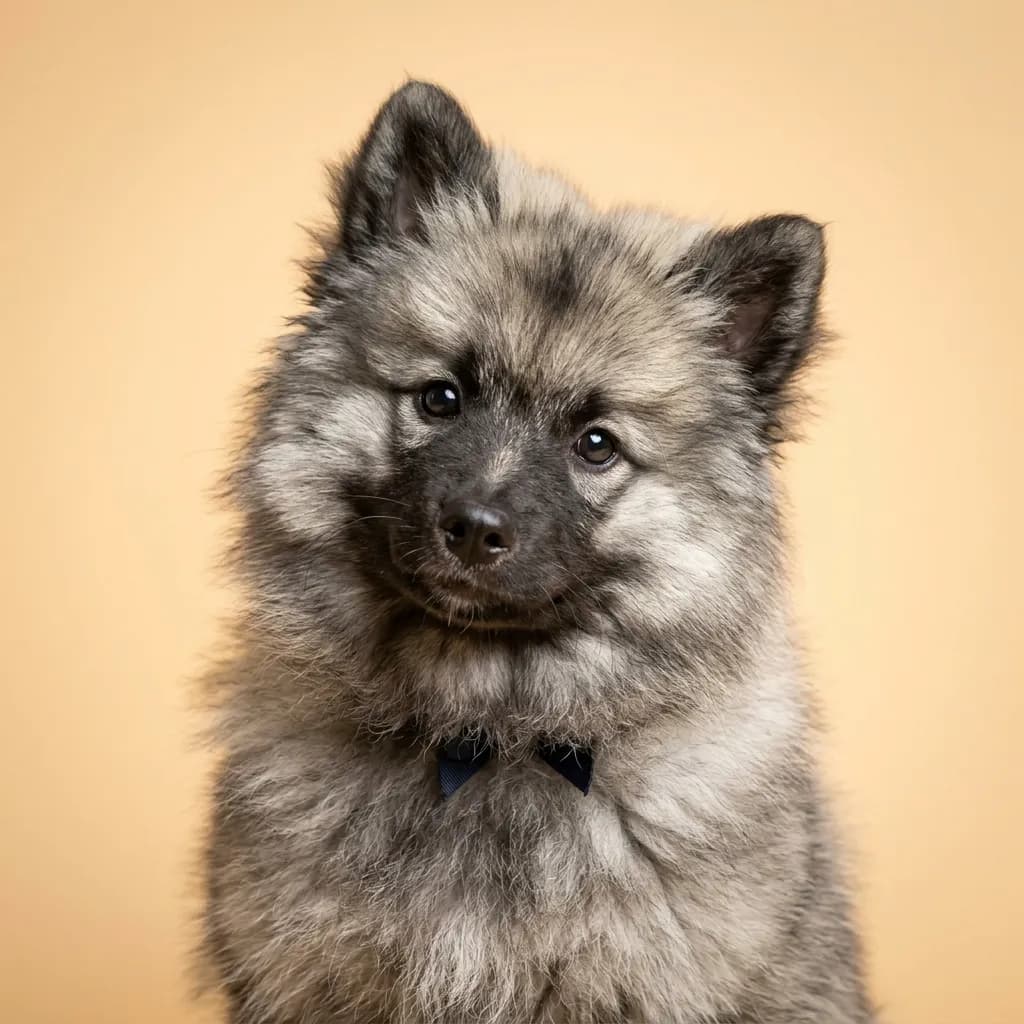
You don’t see people comparing a Deutscher Wachtelhund and a Keeshond every day, but it happens. usually when someone’s drawn to a German breed with a thick coat and a loyal heart, and they’re not sure if they want a hunter or a hugger. These dogs share friendly temperaments and family-friendly ratings, but that’s where the similarity ends. The Wachtelhund is a working hunter built for stamina. If you’re up before dawn to traipse through wet fields or marshland, this dog will stay by your side, focused and driven. It’s not hyper, but it needs purpose. training, tracking, retrieving. Without it, that determination turns into frustration. It sheds moderately, barks a fair amount, and won’t thrive in a small yard or city apartment. You’ll pay more upfront, often over $2,500, and commit to a dog that’s happiest when working. The Keeshond, on the other hand, was bred to sit on the prow of a barge and bark at changes in the night. It’s alert, expressive, and deeply attached. This dog wants to be involved in everything, from homework sessions to weekend hikes. It’s easier to train than most, eager to please, and adapts well to suburban or even city living. as long as you can handle the shedding and the barking. It’s a social butterfly with kids and strangers alike, but that thick ruff? It needs weekly brushing, especially in spring. Here’s the real difference: The Wachtelhund is a partner in your outdoor life. The Keeshond is a member of your household, full stop. If you don’t hunt, the Wachtelhund’s brilliance goes underused. But if you want a vigilant, affectionate companion who thrives on routine and connection, the Keeshond will wrap you in fluff and devotion.
Trait-by-trait
Higher bar = more of that trait. Shedding, barking, drooling, grooming flipped for readability.Where they diverge
Choose the Deutscher Wachtelhund if…
- Hunters
- Active individuals
- Rural environments
Choose the Keeshond if…
- Families with children
- Active owners
- Cold climates
- You value good with other dogs — Keeshond scores higher here.