Deutscher Wachtelhund vs Kishu Ken
Side-by-side comparison across all 14 AKC trait ratings, with a clear verdict on which breed fits which kind of household.
Not sure which breed fits your life?
Answer five questions about your home, your schedule, and your tolerance for shedding. We’ll match you to your top three breeds from over 200.
Deutscher Wachtelhund vs Kishu Ken
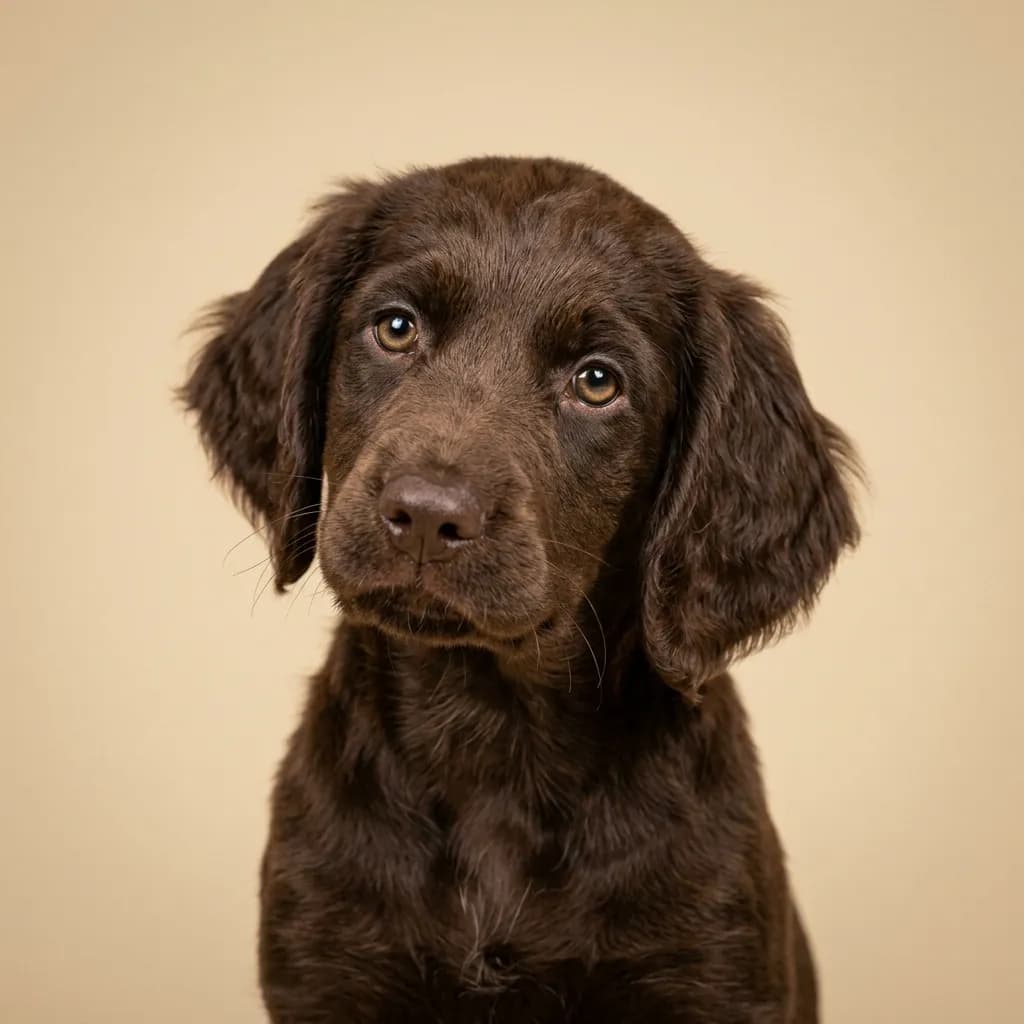
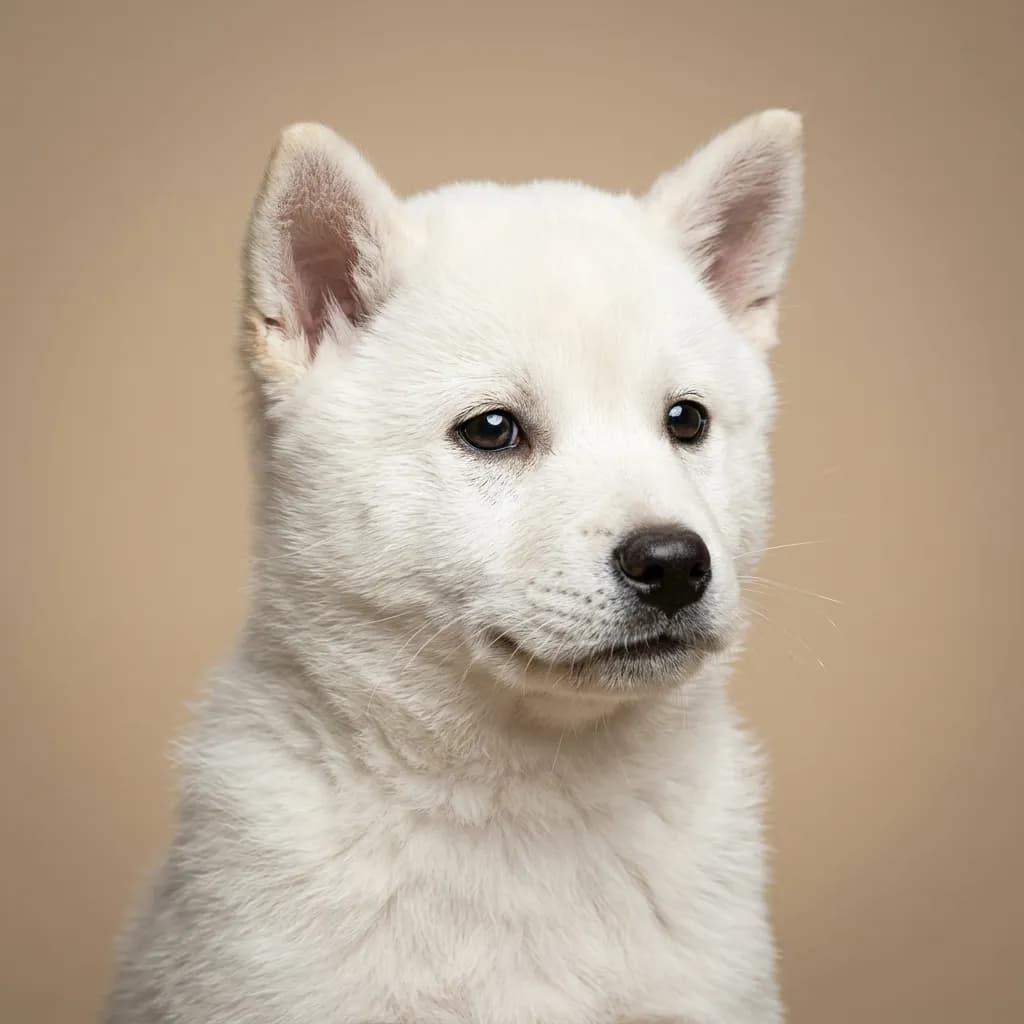
People compare the Deutscher Wachtelhund and Kishu Ken because they’re both rare, versatile hunting dogs from mountainous regions, tucked into the AKC’s Foundation Stock Service and flying under the radar of mainstream dog culture. But that’s where the similarities end. If you’re torn between them, you’re really deciding between a team player and a lone wolf. The Wachtelhund is the dog that wants to be part of your life. fully. Bred to work upland and water with equal grit, it’s got that rare balance of trainability and drive, without the intensity that overwhelms casual owners. It’s friendly with kids, eager to please, and while it needs space and activity, it bonds deeply and adapts. just don’t expect it to thrive in a city apartment. It’s the kind of dog that’ll sit patiently while you gear up, then explode into focus the second you say “hunt.” The Kishu Ken? It’s different. Noble, reserved, and deeply independent, it was bred to track boar in rugged Japanese forests, and that solitary focus hasn’t softened. It’s not unfriendly, but affection is earned, not given. It’s quiet. barely barks. and aloof with strangers, which makes it a poor fit for families wanting a cuddly pet. And if you have a cat or rabbit, good luck. Prey drive isn’t just high, it’s baked into their DNA. Here’s the real insight: The Wachtelhund will fit into your life if you’re active. The Kishu Ken will demand you fit into theirs. Choose the Wachtelhund if you want a loyal, trainable partner who loves the outdoors. Choose the Kishu only if you respect silence, value independence, and can handle a dog that might always be slightly untamed.
Trait-by-trait
Higher bar = more of that trait. Shedding, barking, drooling, grooming flipped for readability.Where they diverge
Choose the Deutscher Wachtelhund if…
- Hunters
- Active individuals
- Rural environments
- You value good with young children — Deutscher Wachtelhund scores noticeably higher.
Choose the Kishu Ken if…
- Experienced dog owners
- Active owners
- Cold climates
- You value good with strangers — Kishu Ken scores higher here.