Deutscher Wachtelhund vs Shikoku
Side-by-side comparison across all 14 AKC trait ratings, with a clear verdict on which breed fits which kind of household.
Not sure which breed fits your life?
Answer five questions about your home, your schedule, and your tolerance for shedding. We’ll match you to your top three breeds from over 200.
Deutscher Wachtelhund vs Shikoku
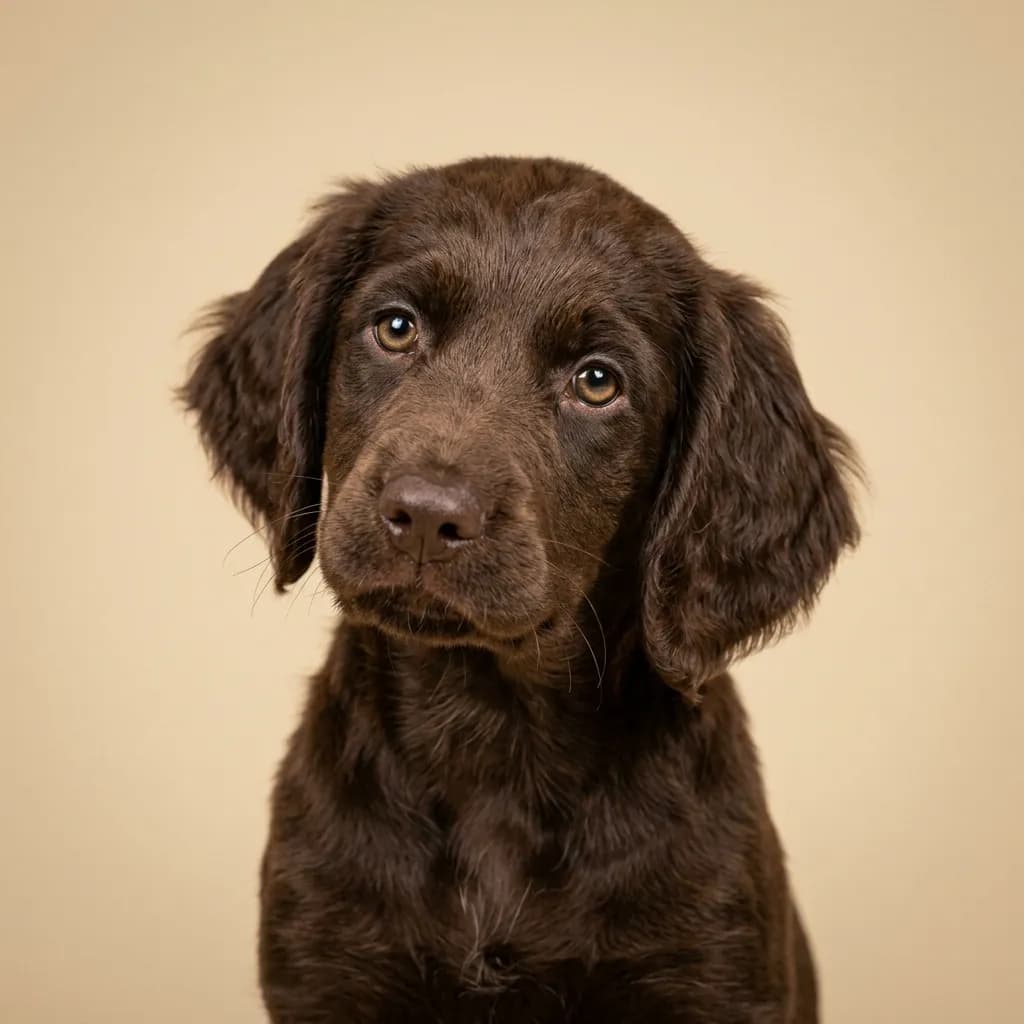
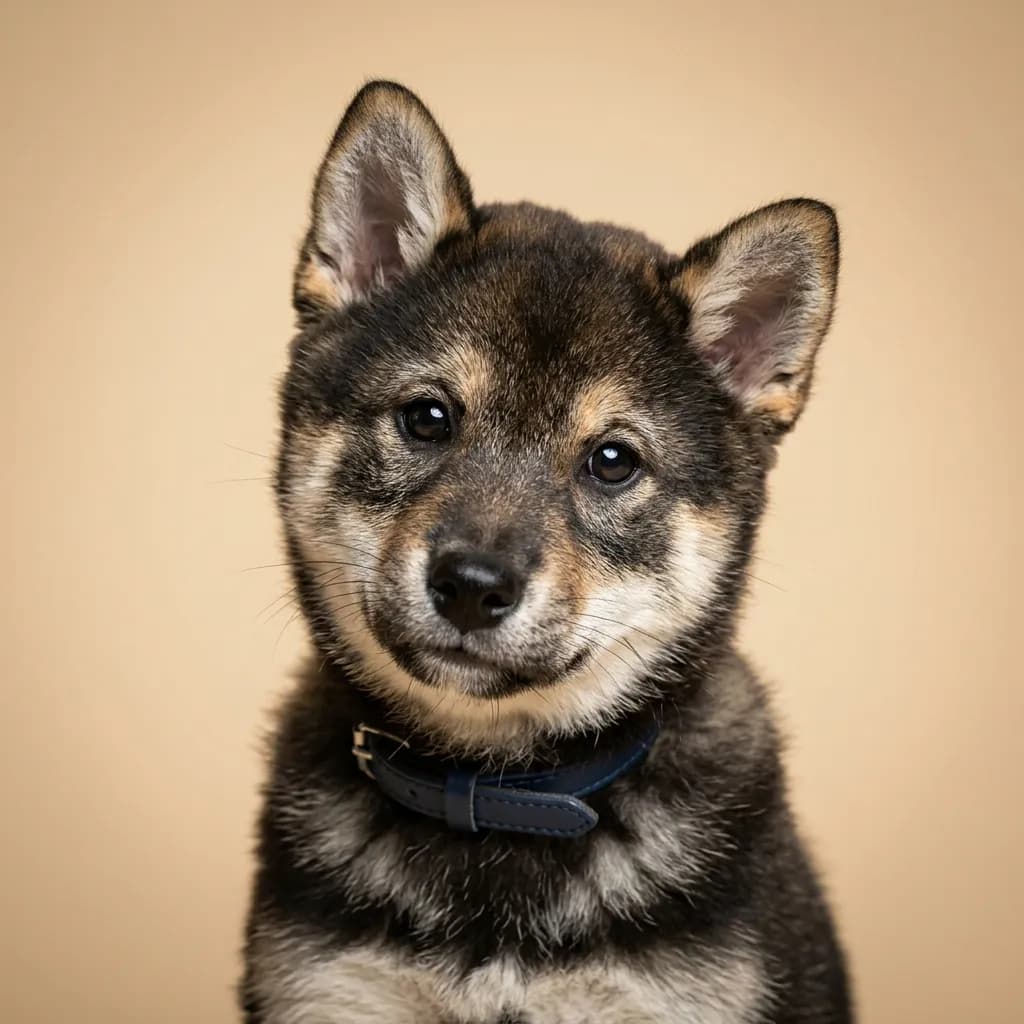
People compare the Deutscher Wachtelhund and Shikoku because they’re both rare, driven hunting dogs with a wild look and a loyal following among dog nerds. But that’s where the similarities end. If you’re torn between them, you’re really choosing between a dedicated partner and a proud, independent athlete. The Wachtelhund is a versatile gun dog through and through. It wants to work with you, not just alongside you. Friendly with kids, eager to please, and adaptable to different hunting styles, it thrives in active rural homes where it can hunt, swim, and train regularly. It’s not a couch potato, but it will settle indoors and bond closely with the family. Think of it as the dependable, focused teammate who remembers where you left your gear. The Shikoku, on the other hand, is more like a solo climber who occasionally lets you tag along. Bred to scale mountain terrain after boar, it’s alert, intense, and reserved even with its people. It’s not unfriendly, but it’s not the kind of dog that will follow your kids around like a nanny. It needs space, structure, and experienced handling. It’s not great in apartments, not great with small pets, and not forgiving of training mistakes. Here’s the real difference: the Wachtelhund will look to you for direction. The Shikoku will decide if your direction is worth following. Choose the Wachtelhund if you want a trainable, people-oriented hunting companion who fits well into family life. Pick the Shikoku only if you respect independence, want a primitive breed with raw presence, and can provide firm, consistent leadership. And be honest. this dog won’t pretend to be what it’s not.
Trait-by-trait
Higher bar = more of that trait. Shedding, barking, drooling, grooming flipped for readability.Where they diverge
Choose the Deutscher Wachtelhund if…
- Hunters
- Active individuals
- Rural environments
- You value good with young children — Deutscher Wachtelhund scores noticeably higher.
Choose the Shikoku if…
- Experienced dog owners
- Active outdoor enthusiasts
- Those wanting a primitive, independent breed
- You value shedding level — Shikoku scores higher here.