Drentsche Patrijshond vs Japanese Chin
Side-by-side comparison across all 14 AKC trait ratings, with a clear verdict on which breed fits which kind of household.
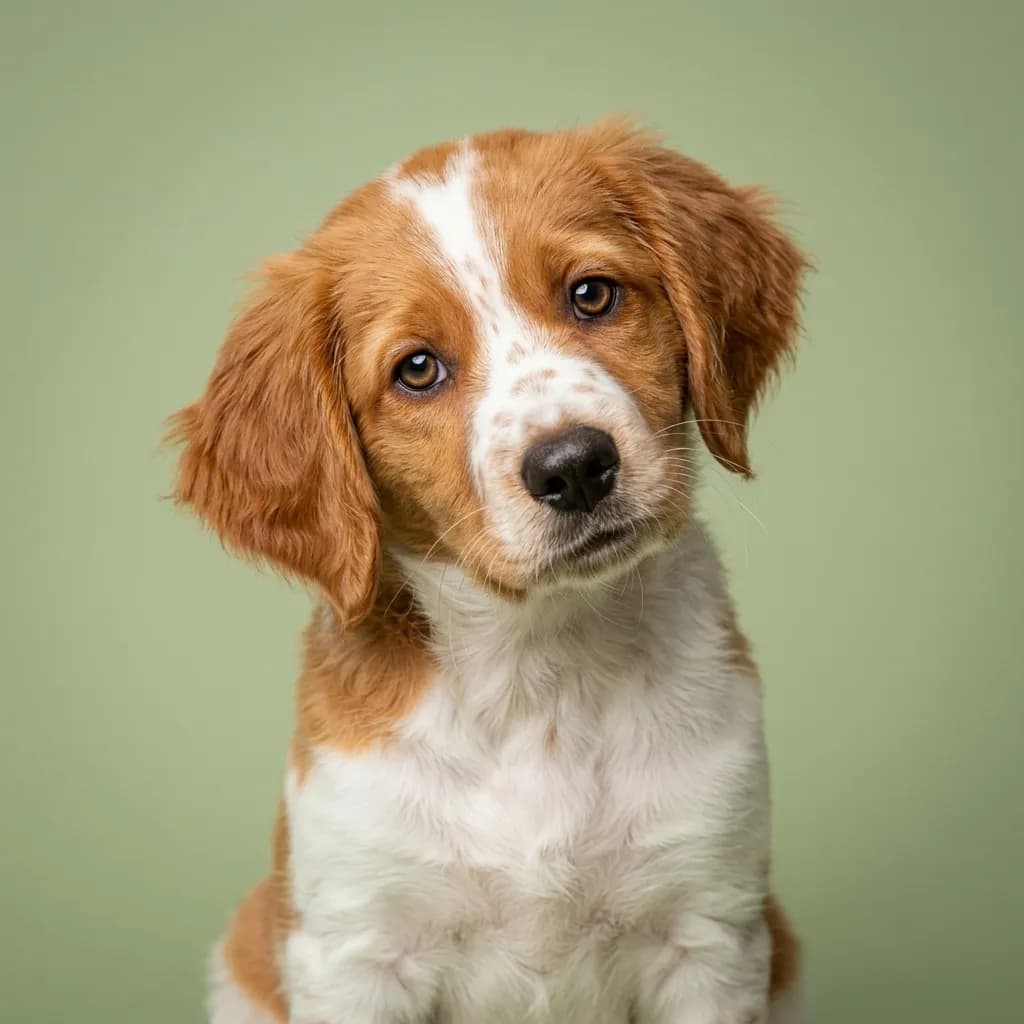
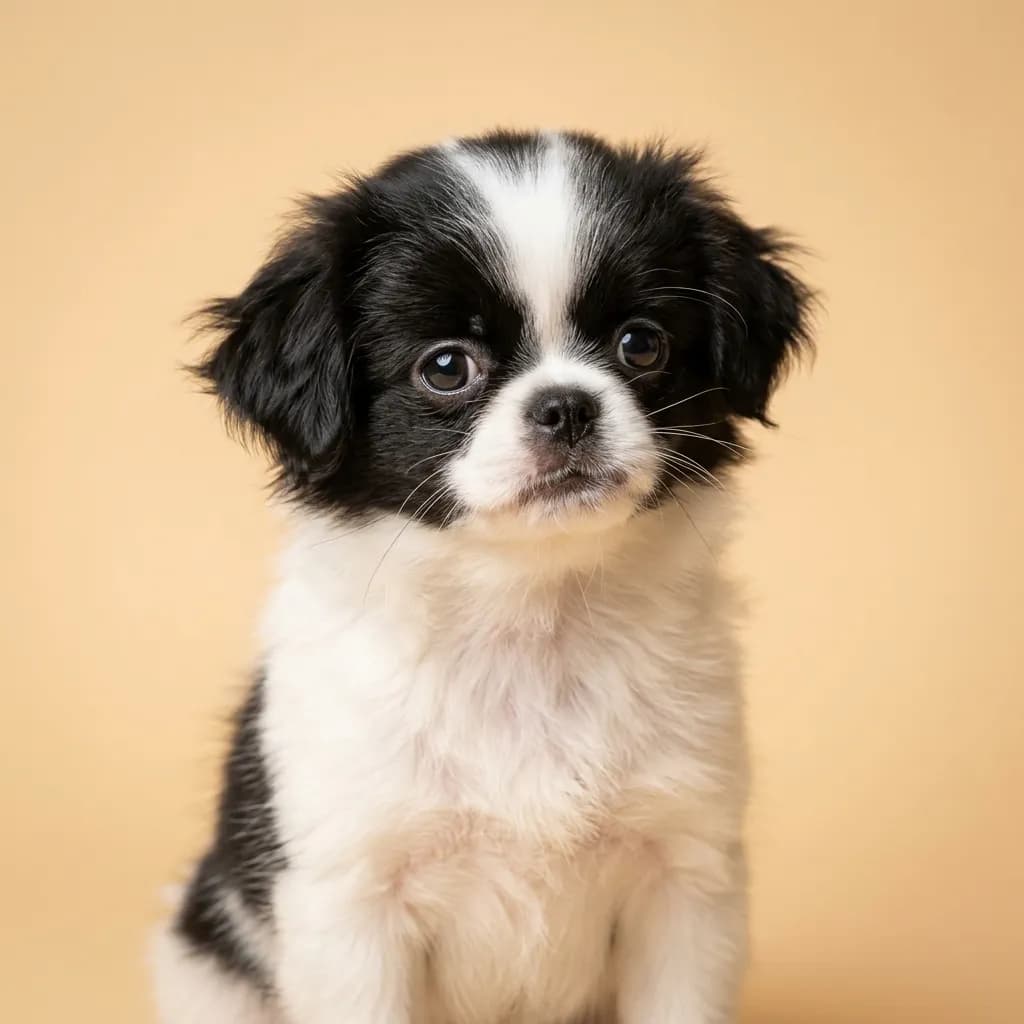
Not sure which breed fits your life?
Answer five questions about your home, your schedule, and your tolerance for shedding. We’ll match you to your top three breeds from over 200.
Drentsche Patrijshond vs Japanese Chin
You don’t see a Drentsche Patrijshond and a Japanese Chin side by side at dog parks often, but people compare them when they’re torn between two ideas of loyalty. one that runs beside you through marshes and fields, and one that sits regally on your lap during tea. At their core, this isn’t really a breed comparison. It’s a lifestyle crossroads. The Drent is a full-throttle sporting dog disguised as a gentle setter. Built for hunters and hikers, this 70-pound dynamo needs daily physical and mental challenges. You’ll love their deep loyalty and sensitivity, but don’t make the mistake of thinking they’ll settle into city life just because they’re affectionate. They’re not couch potatoes. they’re athletes with hearts. If you’re not hiking, hunting, or at least biking with them, you’ll end up with a frustrated, bored dog. The Japanese Chin, meanwhile, is a living heirloom. Tiny, graceful, and almost catlike in their movements, they thrive in quiet homes where affection is given freely and walks are optional. They’re not built for roughhousing or long trail days. Kids can be iffy. not because Chins are aggressive, but because they’re delicate and prefer calm. They’ll bond deeply with one or two people and watch the world with quiet amusement. Here’s the real insight: the Drent grows into your life like a trusted partner; the Chin becomes part of your ritual, like a cherished teacup. Pick the Drent if you want a dog that works with you. Pick the Chin if you want a dog that complements you. One demands adventure. The other, stillness. Get honest about which you actually live. and which you’ll actually maintain.
Trait-by-trait
Higher bar = more of that trait. Shedding, barking, drooling, grooming flipped for readability.Where they diverge
Choose the Drentsche Patrijshond if…
- hunters
- active families
- outdoor enthusiasts
- You value good with young children — Drentsche Patrijshond scores noticeably higher.
Choose the Japanese Chin if…
- Apartment dwellers
- Seniors
- Gentle quiet households
- You value good with other dogs — Japanese Chin scores higher here.