Drever vs Karelian Bear Dog
Side-by-side comparison across all 14 AKC trait ratings, with a clear verdict on which breed fits which kind of household.
Not sure which breed fits your life?
Answer five questions about your home, your schedule, and your tolerance for shedding. We’ll match you to your top three breeds from over 200.
Drever vs Karelian Bear Dog
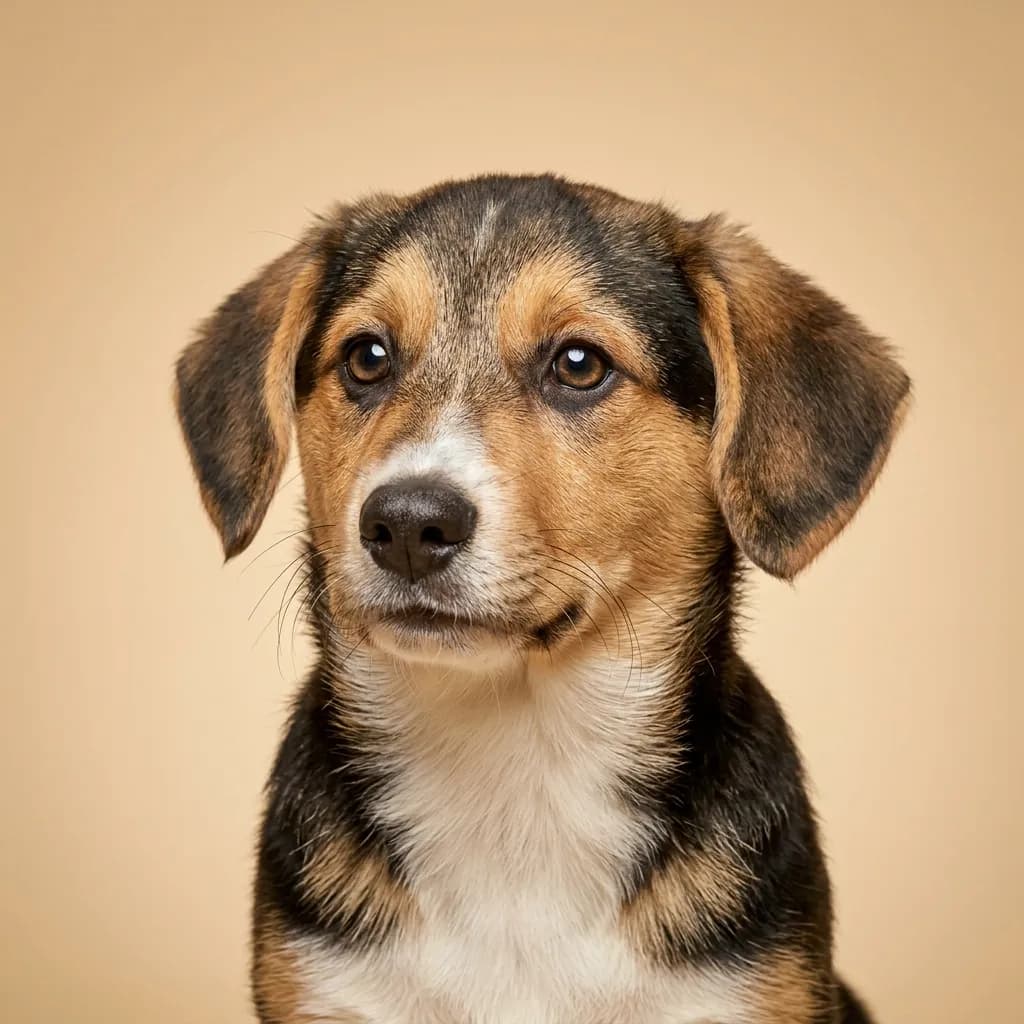
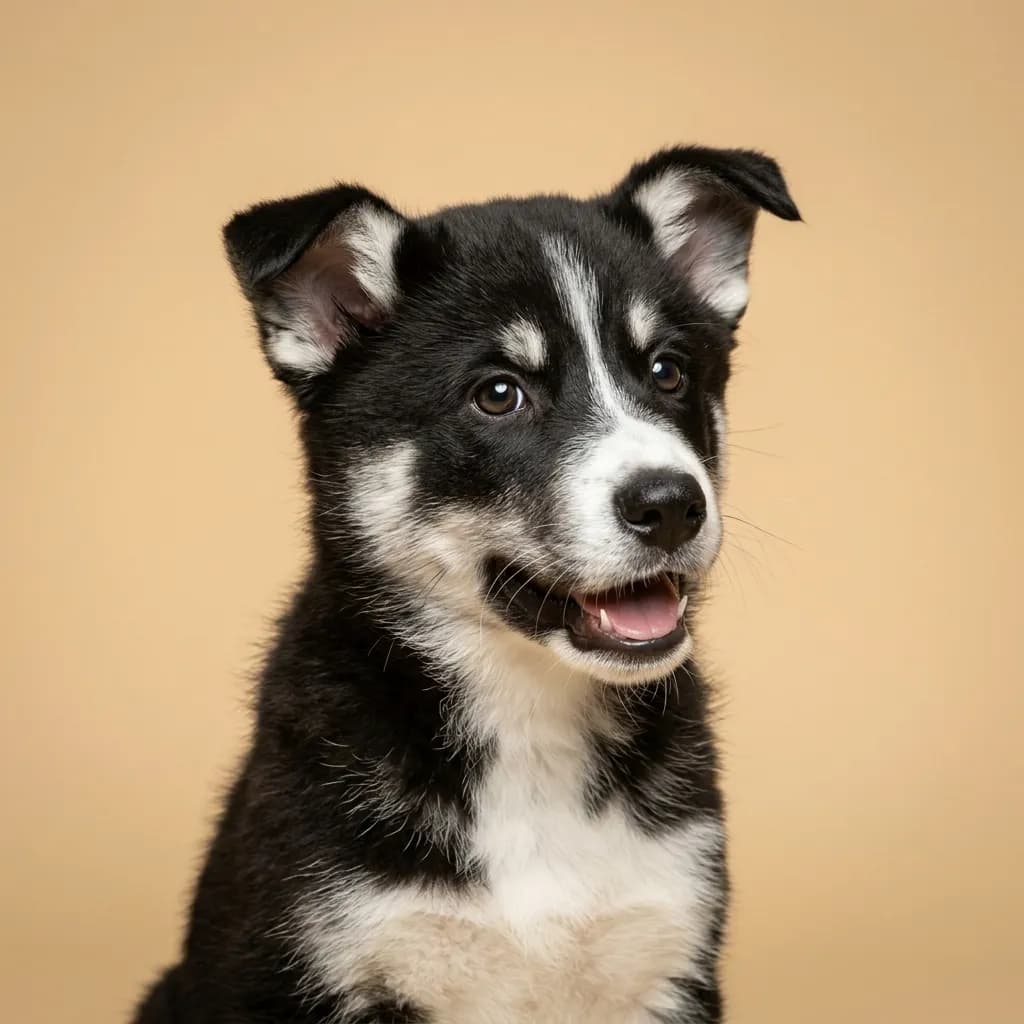
People compare the Drever and the Karelian Bear Dog because they’re both rare Nordic hunting breeds built for cold weather, rugged terrain, and serious outdoor work. They’re not your average family dogs, but if you’re deep into hunting or live way off the grid, they catch your eye. That’s where the similarity ends. The Drever is the more approachable of the two. At just 12 to 15 inches tall, it’s built low and long like a scent hound with a purpose. to drive deer through dense Scandinavian forests toward hunters. It’s energetic, yes, but also eager to please, great with kids, and surprisingly adaptable as long as you’re active. You’ll need a secure yard and tolerance for moderate barking, but it’s the kind of dog that fits into a lively household without turning it upside down. Think of it as the Scandinavian version of a Beagle with better boundaries and more stamina. The Karelian Bear Dog? That’s another story. This 20-inch, thick-coated Finnish predator is bred to face down bears and bark them into submission until hunters arrive. It’s fearless, intensely focused, and deeply suspicious of other animals. It’s not mean, but it’s not interested in playdates with your neighbor’s corgi. or their kids. It needs a handler who understands dominance, structure, and the value of a job. A first-time dog owner will get steamrolled. Here’s the real difference most people miss: the Drever works with you as part of a team. The Karelian Bear Dog works alongside you, but never fully under your control. Choose the Drever if you want a loyal, trainable hunting partner who can double as a family dog. Pick the Karelian only if you’ve got serious experience, live remotely, and need a dog that won’t back down from a moose.
Trait-by-trait
Higher bar = more of that trait. Shedding, barking, drooling, grooming flipped for readability.Where they diverge
Choose the Drever if…
- hunters
- active families in cold climates
- outdoor adventurers
- You value good with young children — Drever scores noticeably higher.
Choose the Karelian Bear Dog if…
- Experienced dog owners
- Hunters of large game
- Cold climates
- You value coat grooming — Karelian Bear Dog scores higher here.