Drever vs Keeshond
Side-by-side comparison across all 14 AKC trait ratings, with a clear verdict on which breed fits which kind of household.
Not sure which breed fits your life?
Answer five questions about your home, your schedule, and your tolerance for shedding. We’ll match you to your top three breeds from over 200.
Drever vs Keeshond
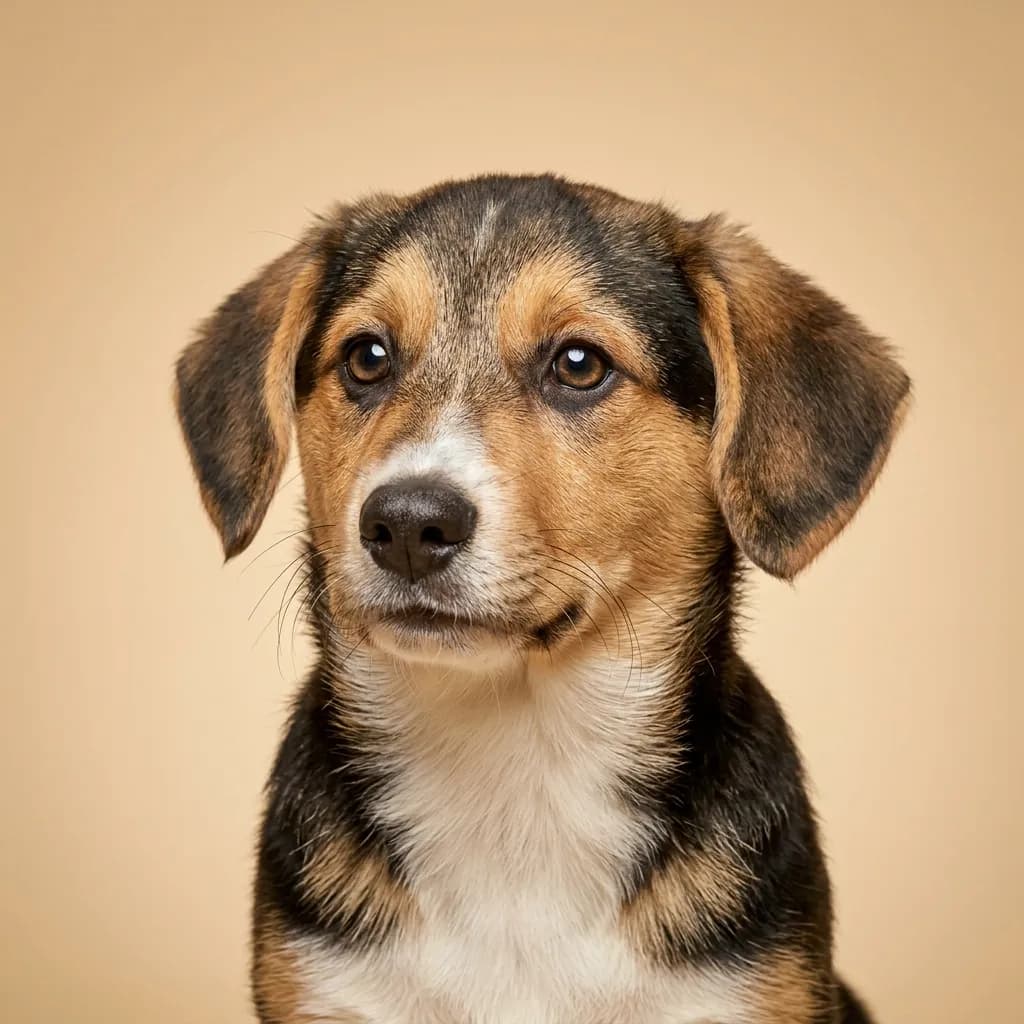
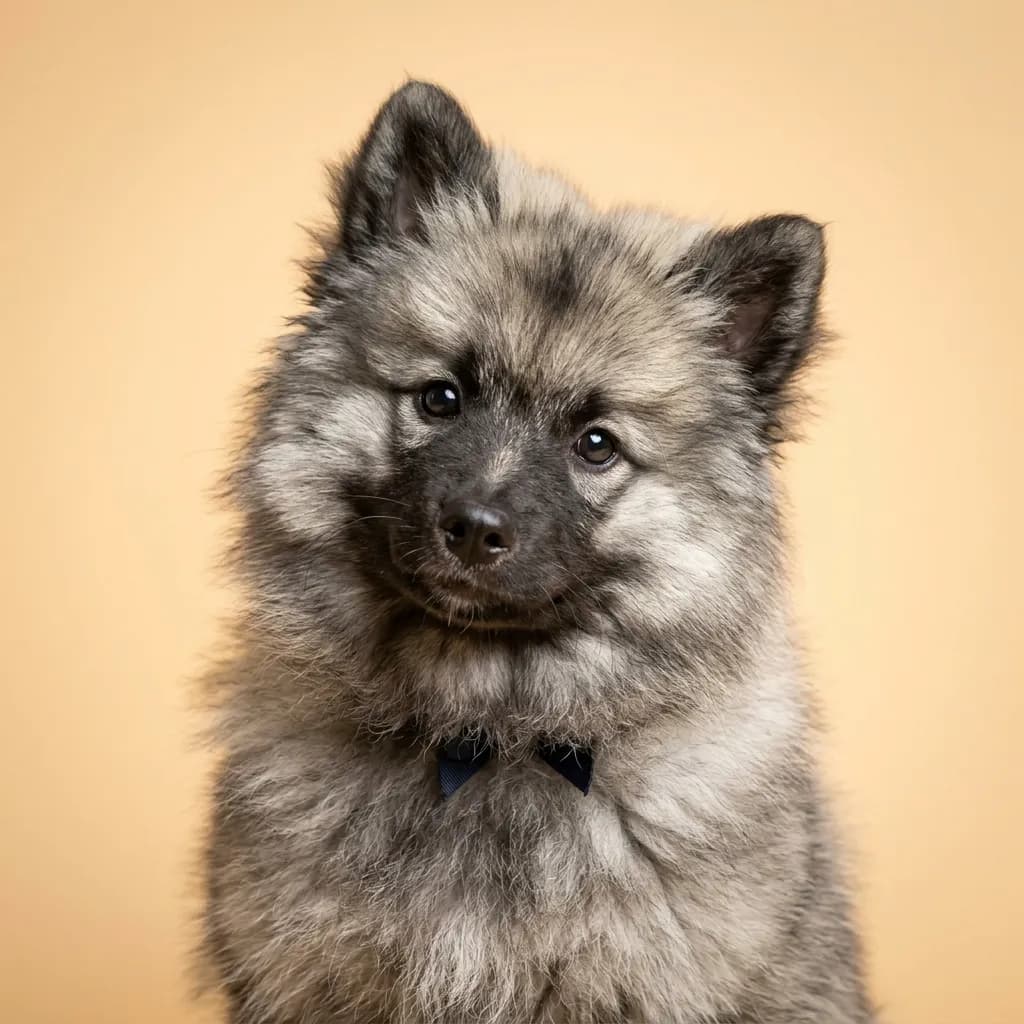
People compare the Drever and Keeshond because they’re both medium-sized, friendly, and built for cold weather with thick coats. At first glance, they even look vaguely similar. stocky, alert, and roughly the same weight. But here’s the truth. These dogs come from totally different worlds, and choosing between them isn’t about preference. it’s about lifestyle. The Drever was bred to work silently in packs, driving deer through Scandinavian forests. They’re determined, laser-focused on scent, and will follow a trail through waist-deep snow if you let them. They’re loyal and great with kids, but they need space, secure fencing, and a job. If you’re into tracking, hunting, or scent work, this dog will light up. But they’re not built for apartments or city life. Even with training, their bark carries. loud and persistent when they’re on a scent. The Keeshond, with that iconic silver-maned fox face, was a companion and watchdog on Dutch barges. They’re more adaptable. You can keep one in a suburban home or even a quiet city apartment because they bond tightly to their people and thrive on interaction. They’ll bark at the mailman, sure, but they’ll also follow you from room to room, sensing moods like emotional support dogs before that was a thing. Here’s the real difference: the Drever loves you, but it loves the trail more. The Keeshond just wants to be near you, full stop. If you’re out hiking four times a week and have a fenced rural yard, the Drever is a dream. If you want a responsive, affectionate dog that’s happy in varied environments and actually notices when you’re sad, go Keeshond. And fair warning. both shed, but the Keeshond’s plush coat needs weekly brushing unless you enjoy finding fur in your coffee.
Trait-by-trait
Higher bar = more of that trait. Shedding, barking, drooling, grooming flipped for readability.Where they diverge
Choose the Drever if…
- hunters
- active families in cold climates
- outdoor adventurers
Choose the Keeshond if…
- Families with children
- Active owners
- Cold climates
- You value coat grooming — Keeshond scores higher here.