Drever vs Samoyed
Side-by-side comparison across all 14 AKC trait ratings, with a clear verdict on which breed fits which kind of household.

Not sure which breed fits your life?
Answer five questions about your home, your schedule, and your tolerance for shedding. We’ll match you to your top three breeds from over 200.
Drever vs Samoyed
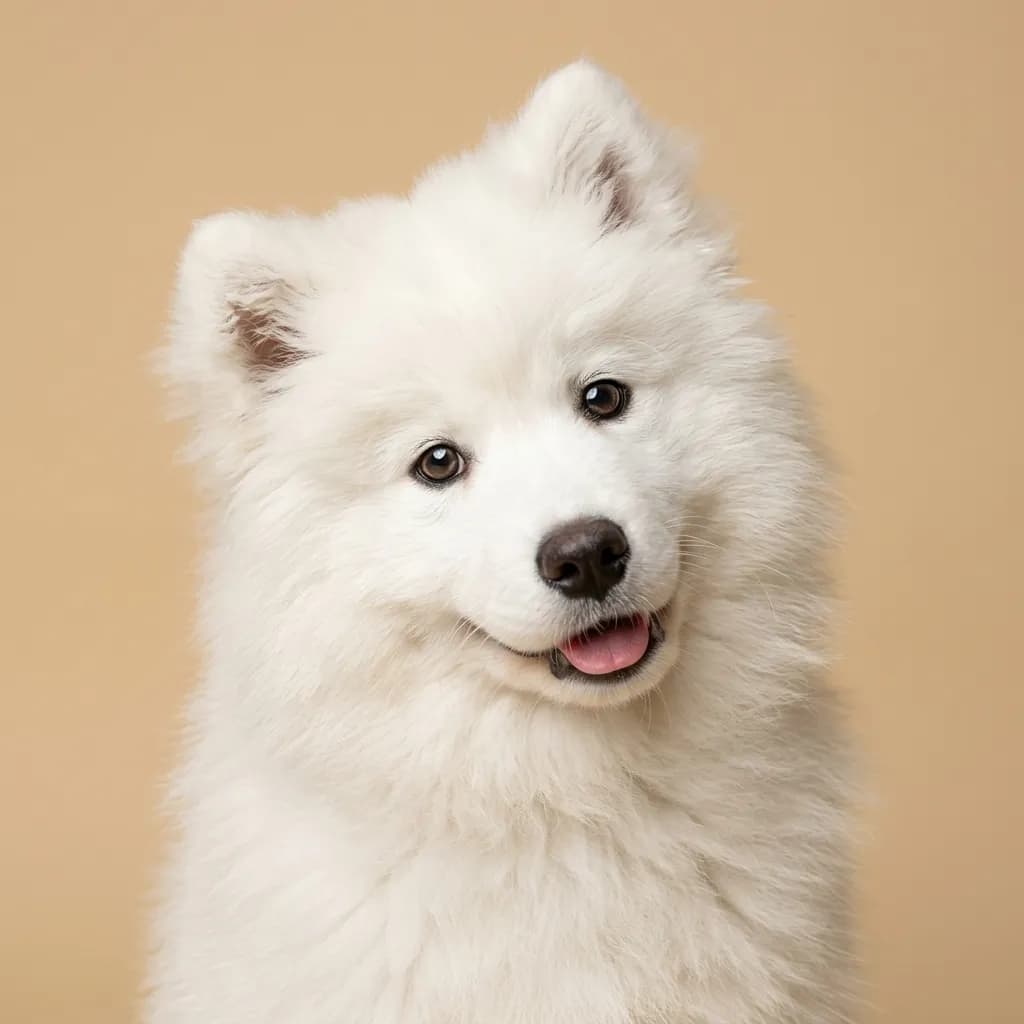
You’re probably comparing a Drever and a Samoyed because both are medium to medium-large dogs from cold climates with thick coats and family-friendly reputations. But that’s where the similarities end. These breeds come from entirely different worlds. one built for function in silence, the other for companionship in the harshest conditions. The Drever is a scent hound bred to work all day in Swedish forests, driving game toward hunters with relentless focus. They’re compact, muscular, and low to the ground, built for endurance. They’re also incredibly trainable and thrive on routine and mental engagement. But they bark. loudly and often. and need secure fencing because their nose will override their recall every time. They’re loyal to their people but not overly clingy, and they do best with active owners who hike, hunt, or train in scent work. The Samoyed, in contrast, is a smiling, fluffy powerhouse from Siberia, bred to live with people, herd reindeer, and pull sleds. They’re bigger, taller, and more social, craving constant interaction. Their bark is frequent and alert, and their coat, despite common belief, isn’t just for show. it demands brushing several times a week, year-round. They’re deeply affectionate and great with kids, but their energy needs structure. Without it, they’ll invent their own jobs. like redecorating your yard or barking at clouds. Here’s the real difference: the Drever wants to work beside you, quietly focused. The Samoyed wants to be your shadow, vocal and involved in everything. If you want a dog for outdoor missions and can handle moderate shedding and high drive, go Drever. If you want a joyful, social companion who thrives on connection and don’t mind the grooming and noise, the Samoyed will steal your heart. and your lap. Just don’t expect quiet mornings either way.
Trait-by-trait
Higher bar = more of that trait. Shedding, barking, drooling, grooming flipped for readability.Where they diverge
Choose the Drever if…
- hunters
- active families in cold climates
- outdoor adventurers
- You value good with other dogs — Drever scores noticeably higher.
Choose the Samoyed if…
- Active families
- Cold climate households
- Dog sports enthusiasts
- You value coat grooming — Samoyed scores higher here.