Dutch Shepherd vs Great Pyrenees
Side-by-side comparison across all 14 AKC trait ratings, with a clear verdict on which breed fits which kind of household.
Not sure which breed fits your life?
Answer five questions about your home, your schedule, and your tolerance for shedding. We’ll match you to your top three breeds from over 200.
Dutch Shepherd vs Great Pyrenees
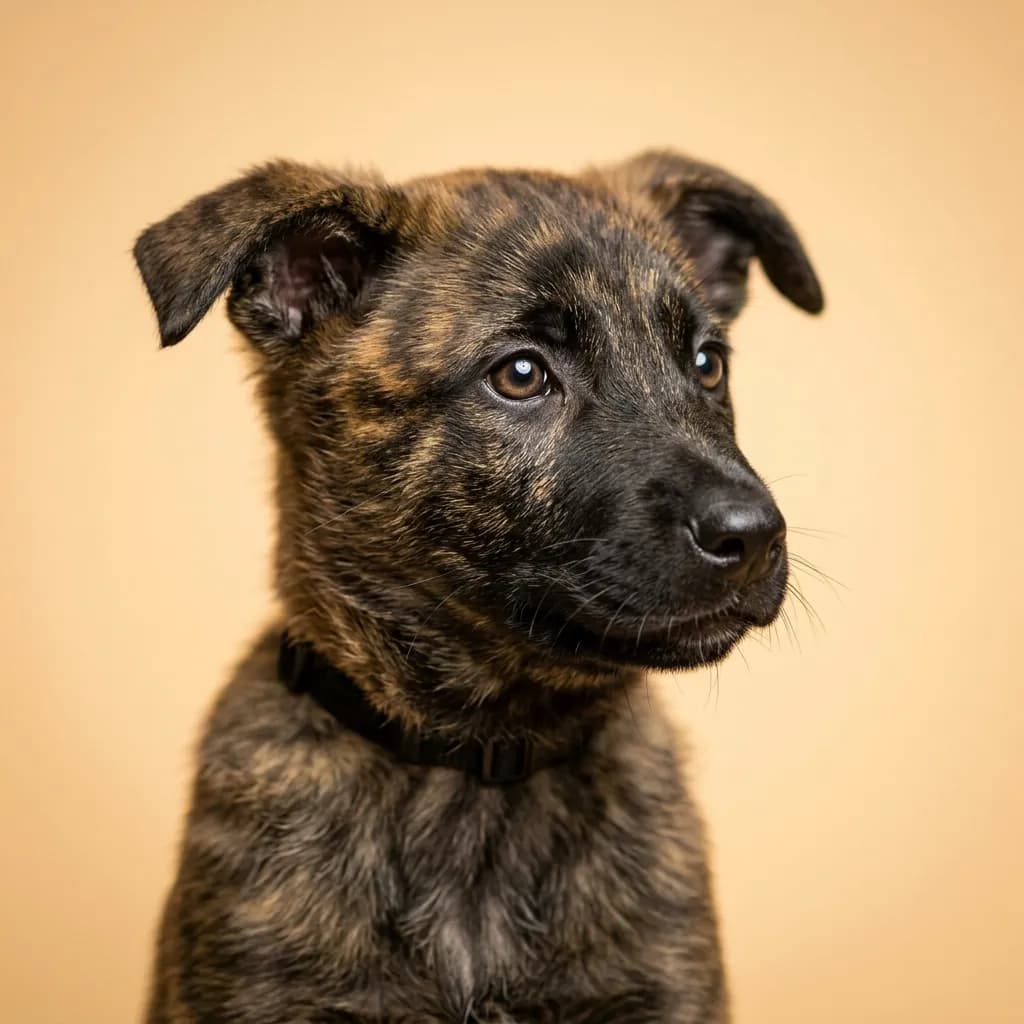
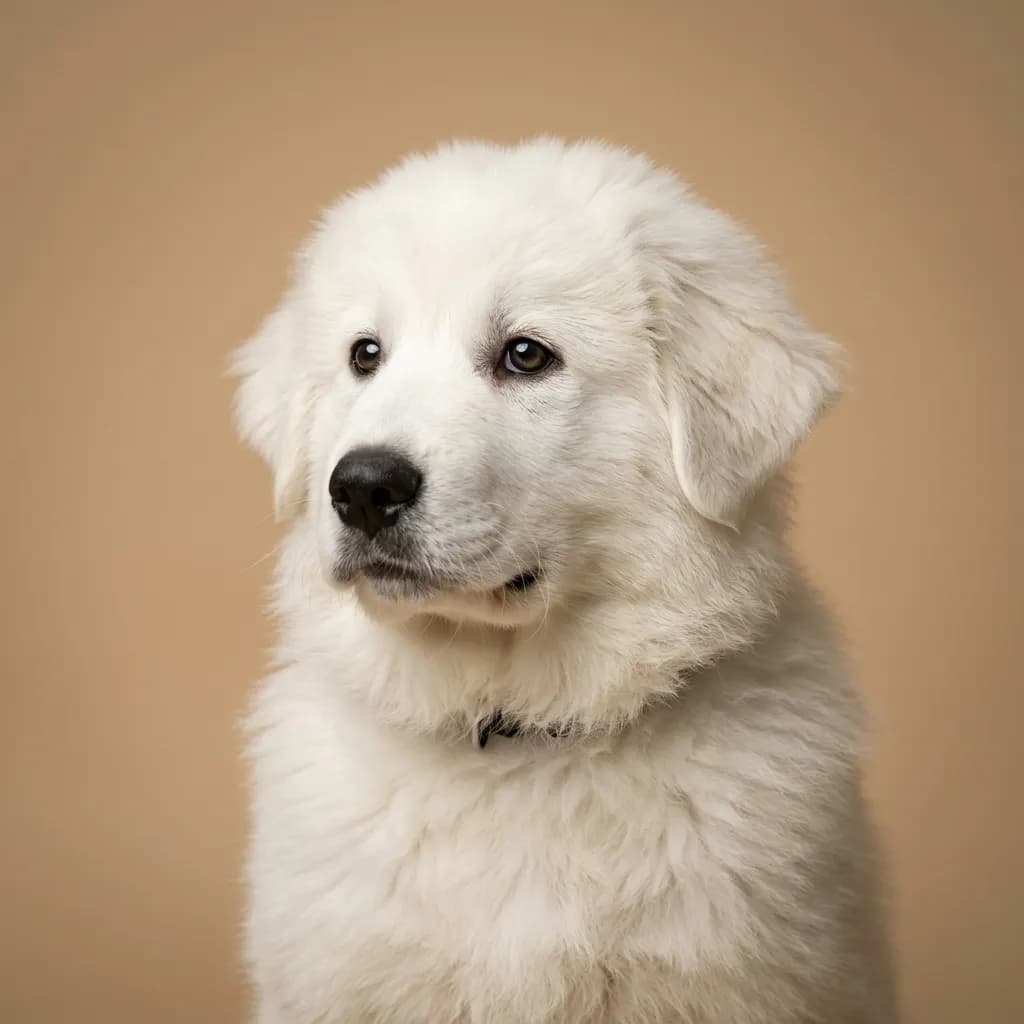
People compare Dutch Shepherds and Great Pyrenees because both are working dogs with strong instincts and a rugged look. but that’s where the similarities end. One’s a lean, whip-smart farmhand built for motion. The other’s a massive, serene mountain guardian built for presence. If you’re torn between them, you’re really asking: do you want a partner in action or a sentinel on watch? The Dutch Shepherd is all engine. At 45 to 75 pounds and built for speed, this dog thrives on tasks. herding, agility, search and rescue. It’s not just energetic, it needs jobs. Without them, it’ll invent its own. usually involving your backyard or your nerves. It bonds deeply, learns fast, and will work for you with a focus that borders on obsession. But it’s not overly vocal, doesn’t shed excessively, and while affectionate, it’s not a lap dog. It’s for someone who hikes, trains, or wants a dog that’s always one step ahead mentally. The Great Pyrenees, meanwhile, is the calm in the storm. Over 85 pounds of fluff and quiet confidence, it was bred to spend nights alone on snowy slopes guarding sheep. It moves with purpose, not speed. It’s patient with kids, deeply loyal, and will follow you from room to room like a quiet shadow. But it barks at disturbances, sheds year-round (and more in spring), and has a mind of its own. Training takes patience, and recall? Forget it. It was never meant to come when called. it was meant to stay. Here’s the real insight: the Dutch Shepherd grows with your activity level. The Great Pyrenees sets its own. You’ll adapt to it, not the other way around. Choose the first if you want a teammate. Choose the second if you need a guardian. with fur.
Trait-by-trait
Higher bar = more of that trait. Shedding, barking, drooling, grooming flipped for readability.Where they diverge
Choose the Dutch Shepherd if…
- Active individuals
- Experienced dog owners
- Police and military work
- You value trainability — Dutch Shepherd scores noticeably higher.
Choose the Great Pyrenees if…
- Livestock guardians
- Rural or farm living
- Families with children
- You value affectionate w/ family — Great Pyrenees scores higher here.