Dutch Shepherd vs Ibizan Hound
Side-by-side comparison across all 14 AKC trait ratings, with a clear verdict on which breed fits which kind of household.
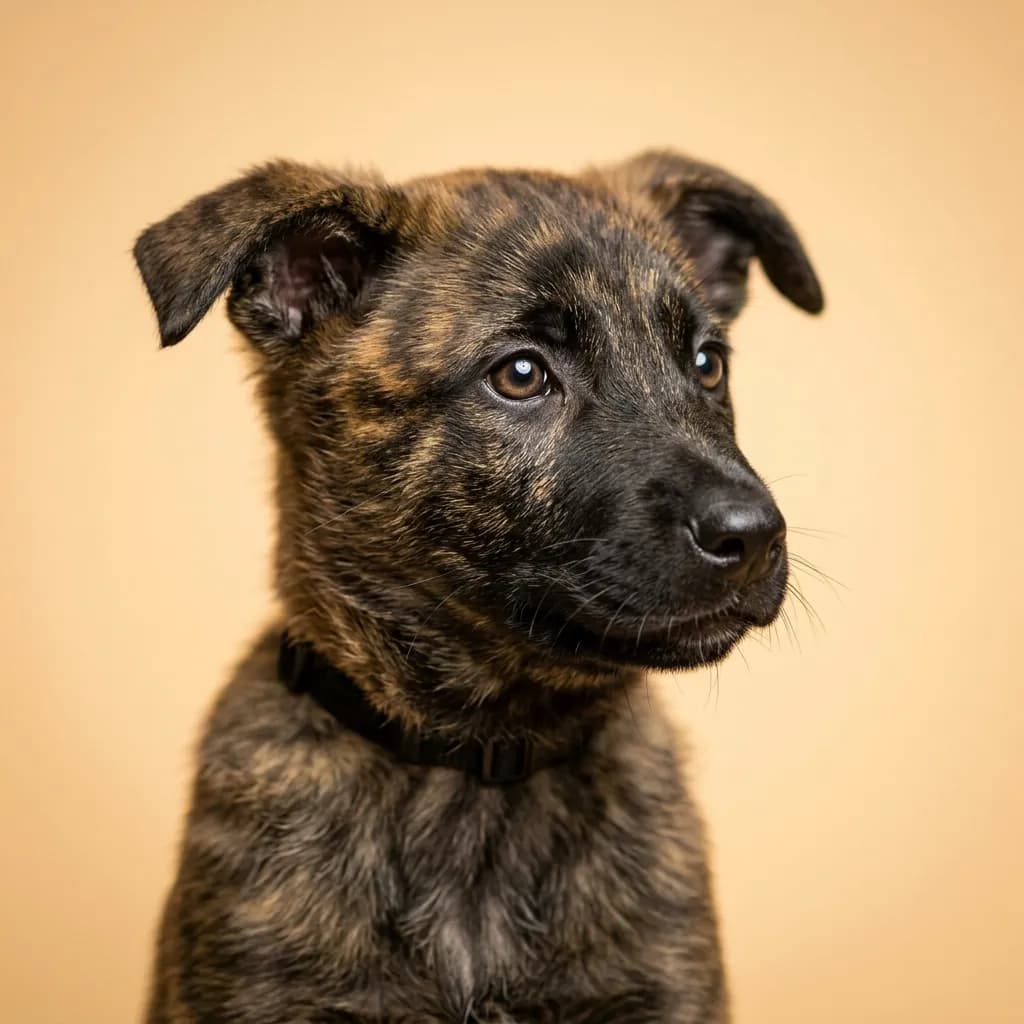
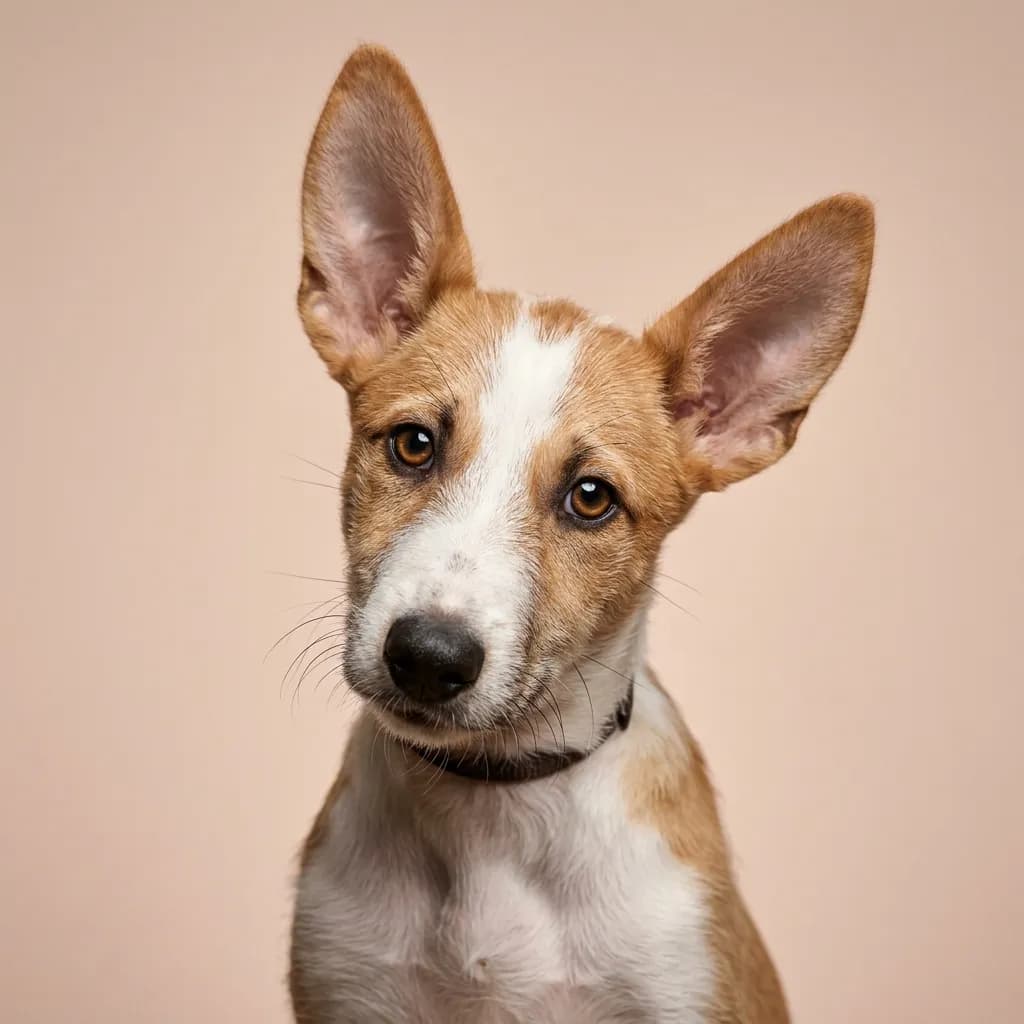
Not sure which breed fits your life?
Answer five questions about your home, your schedule, and your tolerance for shedding. We’ll match you to your top three breeds from over 200.
Dutch Shepherd vs Ibizan Hound
People compare Dutch Shepherds and Ibizan Hounds because they’re both athletic, medium-to-large dogs with a lean look and high energy. on paper, they seem like two sides of the same active-lifestyle coin. But in real life, they’re built for entirely different rhythms of living. The Dutch Shepherd is a working machine. Originally herding sheep on Dutch farms, this dog thrives on structure, tasks, and mental challenges. It’s deeply loyal and intensely smart, scoring top marks in trainability. You’ll need to keep its brain busy or it’ll find its own job. like reorganizing your backyard. It’s not the best pick for first-time owners or couch potatoes. If you’re into dog sports like obedience, protection work, or agility, this breed will be your all-in partner. Just know it’s not overly patient with kids and needs space and purpose. The Ibizan Hound, in contrast, is a graceful desert hunter from Ibiza, bred to chase rabbits with silence and precision. It’s more independent, less eager to please, and trickier to train. But it’s also deeply affectionate with its family, almost catlike in its quiet loyalty. It bonds closely and wants to be part of the household, not just a yard dog. While it needs serious exercise, it’s more adaptable than the Dutch Shepherd. especially if you’ve got a big, secure yard. But let a squirrel dart by and that prey drive kicks in hard. Small pets in the home? That’s a hard no. Here’s the real difference: the Dutch Shepherd wants to work for you. The Ibizan Hound wants to live with you. Choose the first if you need a driven partner. Choose the second if you want a quiet, elegant shadow who just happens to run like the wind.
Trait-by-trait
Higher bar = more of that trait. Shedding, barking, drooling, grooming flipped for readability.Where they diverge
Choose the Dutch Shepherd if…
- Active individuals
- Experienced dog owners
- Police and military work
- You value watchdog / protective — Dutch Shepherd scores noticeably higher.
Choose the Ibizan Hound if…
- Active owners
- Lure coursing sports
- Owners with secure fenced yards
- You value good with other dogs — Ibizan Hound scores higher here.