Dutch Shepherd vs Mountain Cur
Side-by-side comparison across all 14 AKC trait ratings, with a clear verdict on which breed fits which kind of household.
Not sure which breed fits your life?
Answer five questions about your home, your schedule, and your tolerance for shedding. We’ll match you to your top three breeds from over 200.
Dutch Shepherd vs Mountain Cur
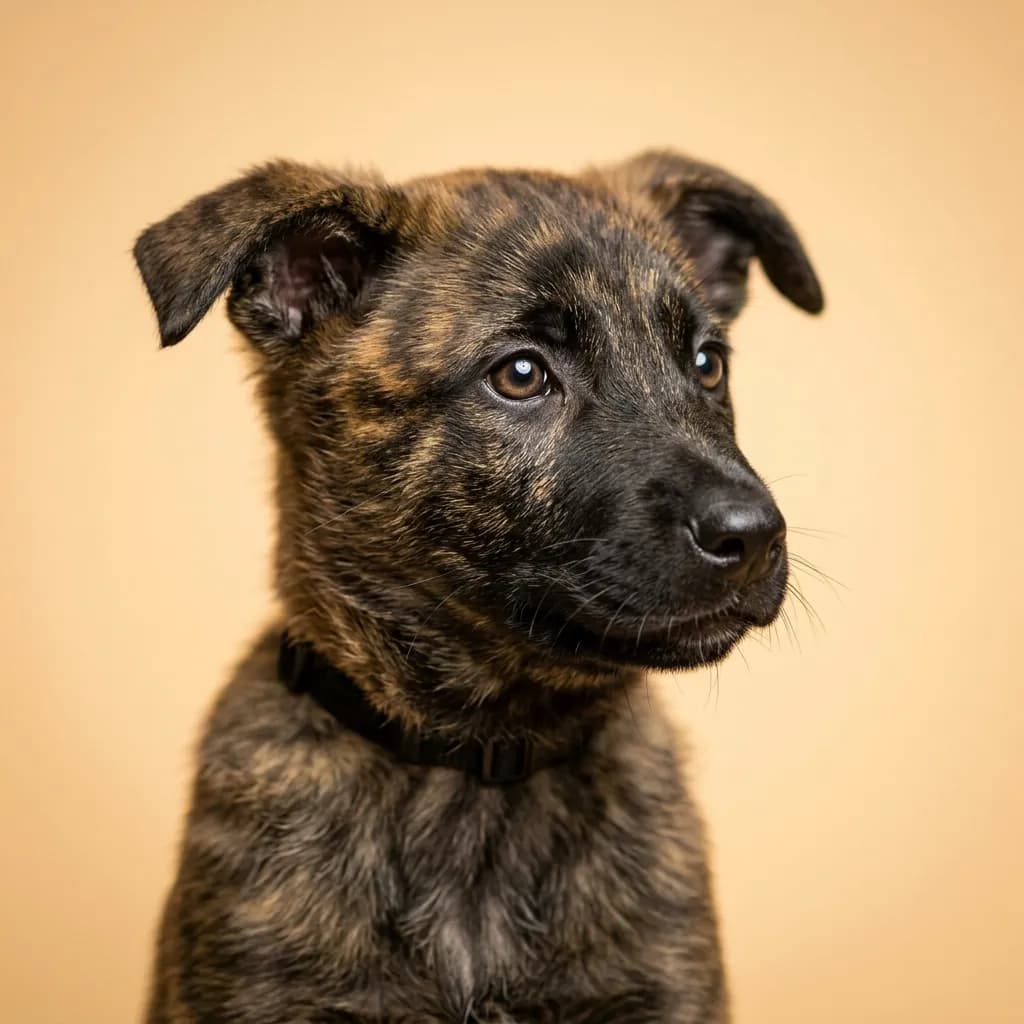
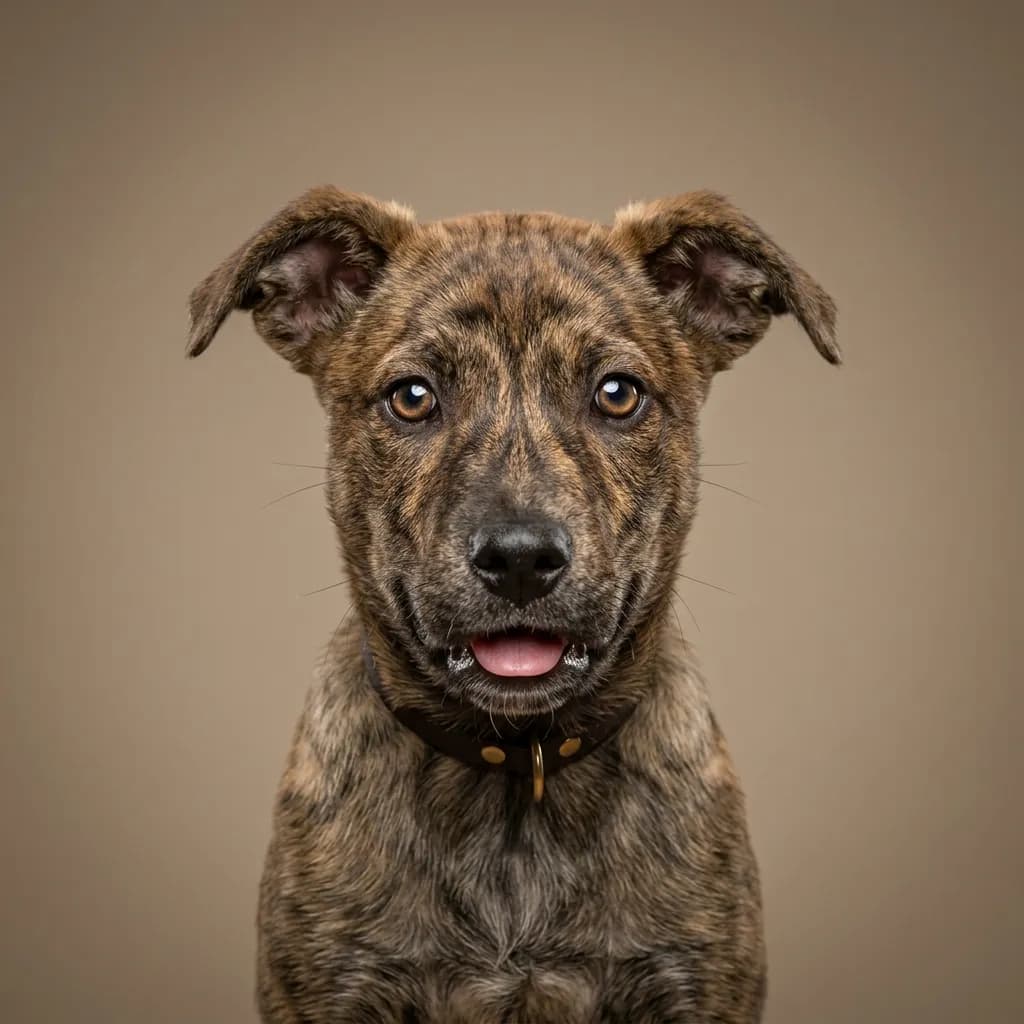
People toss these two breeds into the same ring because they’re both rugged, high-energy working dogs with a loyal streak a mile wide. But that’s where the surface-level similarities end. If the Dutch Shepherd is a precision athlete with a PhD in obedience, the Mountain Cur is your backcountry survival partner who’s smart but won’t take orders unless they make sense to him. The Dutch Shepherd thrives on structure. You’ll need hours for training, agility drills, or advanced tasks. this dog burns mental energy like a Tesla on autopilot. They’re deeply affectionate with their people, but their intensity isn’t for beginners or couch potatoes. You don’t own a Dutch Shepherd. You train, compete, and live an active lifestyle with one. They’re the breed police and military units pick when they need reliability under pressure. The Mountain Cur, on the other hand, was built for the holler. Independent by nature, bred to tree raccoons or trail wild boar through foggy Appalachian ridges, this dog won’t follow commands blindly. He’ll assess the situation, then decide. That makes him a nightmare for novice owners but gold for hunters or rural families who value instinct over polish. He’s more adaptable to variable routines but needs space and purpose. Here’s the real talk: Dutch Shepherds demand consistency. if you’re not leading, they will. Mountain Curs respect strength but won’t kiss up to earn it. If you’re training for dog sports or want a hyper-attuned companion, go Dutch. If you’re hiking off-trail, hunting, or need a farm guardian with grit, the Cur’s your dog. Neither forgives laziness. But the Cur will tolerate a slower Saturday; the Dutch Shepherd will redecorate your house out of sheer boredom.
Trait-by-trait
Higher bar = more of that trait. Shedding, barking, drooling, grooming flipped for readability.Where they diverge
Choose the Dutch Shepherd if…
- Active individuals
- Experienced dog owners
- Police and military work
- You value watchdog / protective — Dutch Shepherd scores noticeably higher.
Choose the Mountain Cur if…
- Active outdoor owners
- Hunters
- Rural or farm settings
- You value barking level — Mountain Cur scores higher here.