Dutch Shepherd vs Papillon
Side-by-side comparison across all 14 AKC trait ratings, with a clear verdict on which breed fits which kind of household.

Not sure which breed fits your life?
Answer five questions about your home, your schedule, and your tolerance for shedding. We’ll match you to your top three breeds from over 200.
Dutch Shepherd vs Papillon
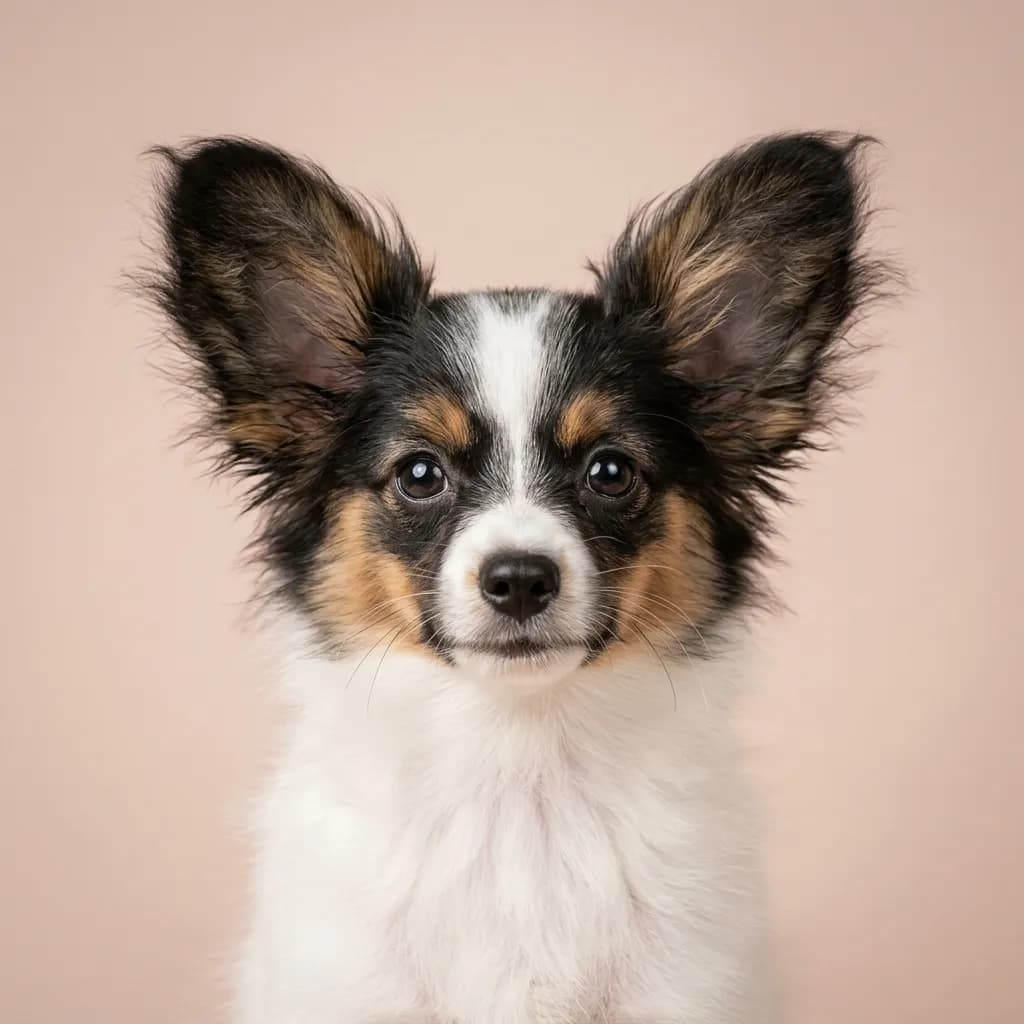
You’re probably not comparing a Dutch Shepherd and a Papillon because they look alike. let’s be real, one’s a lean, lightning-fast farm dog built for rugged work, the other a delicate-eared lap warmer with a butterfly’s grace. But people do toss them together when they’re digging into highly intelligent, trainable breeds that thrive on mental challenges. That’s where the surface similarity ends. The Dutch Shepherd is a 70-pound dynamo bred to move sheep and patrol borders. You’ll need to match that energy with daily jobs. agility, obedience, long hikes, or serious play sessions. otherwise, you’ll come home to a bored dog who’s decided your couch is firewood. They’re deeply loyal and affectionate with their people, but not exactly a sit-in-your-lap kind of dog. They’re reserved with strangers, moderately vocal, and need experienced handling. This isn’t a first dog. It’s a partner. The Papillon, though tiny at 8 pounds, has the heart and brain of a much bigger dog. They’re fearless, cheerful, and will learn tricks faster than you can film them. But don’t mistake their size for calmness. they’re alert, often loud, and will sound the alarm at a leaf blowing past the window. They’re better with kids than you’d expect, but their small size makes them fragile around toddlers. Here’s the real insight: both demand engagement, but in opposite directions. The Dutch Shepherd needs space and purpose; the Papillon needs inclusion and mental snacks. If you live in a city apartment and want a clever, portable pal, go Papillon. If you’ve got land, time, and drive, and want a dog that can do things, the Dutch Shepherd will outwork and outlive most breeds. Just don’t expect either to just sit quietly. Neither was built for that.
Trait-by-trait
Higher bar = more of that trait. Shedding, barking, drooling, grooming flipped for readability.Where they diverge
Choose the Dutch Shepherd if…
- Active individuals
- Experienced dog owners
- Police and military work
- You value drooling level — Dutch Shepherd scores noticeably higher.
Choose the Papillon if…
- Apartment living
- Active owners
- Families with older children
- You value barking level — Papillon scores higher here.