English Foxhound vs Keeshond
Side-by-side comparison across all 14 AKC trait ratings, with a clear verdict on which breed fits which kind of household.

Not sure which breed fits your life?
Answer five questions about your home, your schedule, and your tolerance for shedding. We’ll match you to your top three breeds from over 200.
English Foxhound vs Keeshond
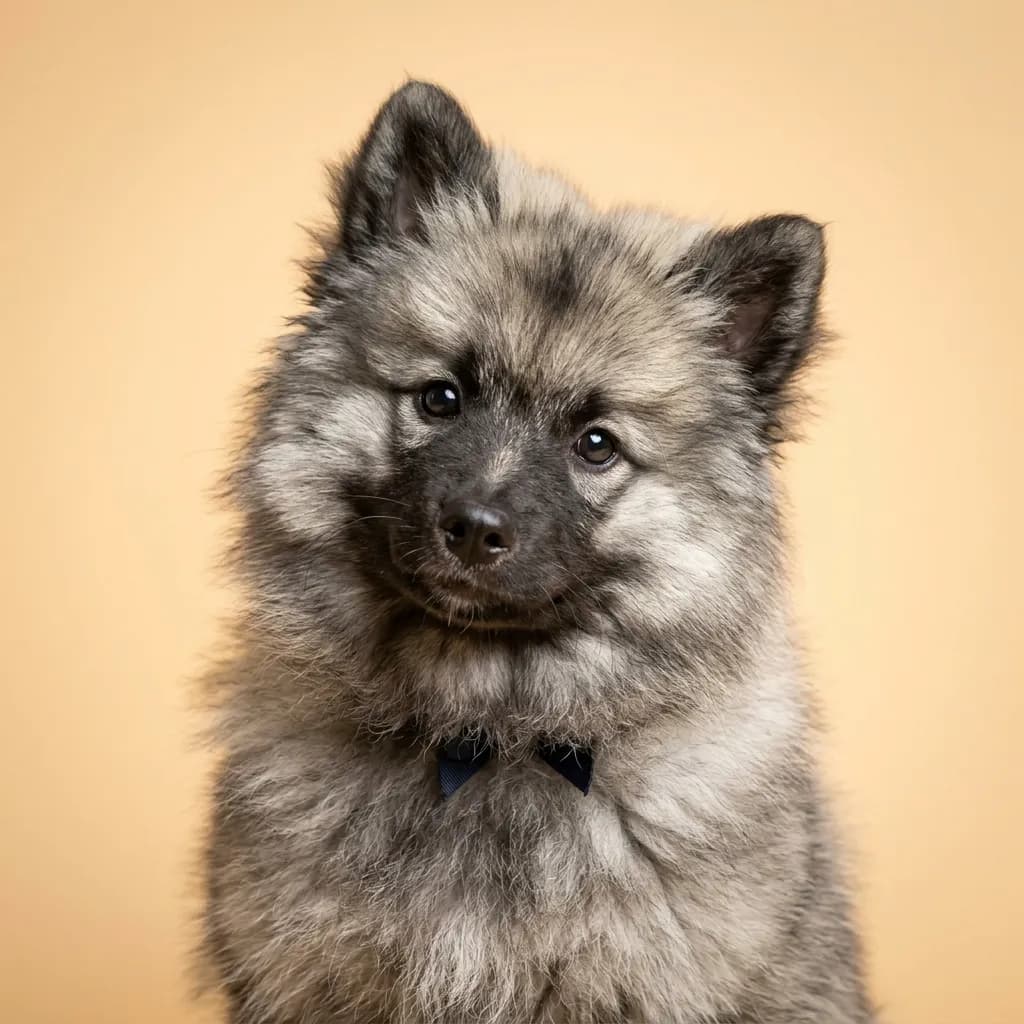
People compare English Foxhounds and Keeshonds because both are friendly, family-oriented dogs with thick coats and big personalities. On paper, they even share energy levels and love for kids. But bring one home without understanding their roots and you’ll be in over your head. The Foxhound was built for miles of running across English countryside, baying at the scent of fox. They’re pack animals through and through, happiest with other dogs and space to roam. You’ll need a large yard, a tolerance for loud, frequent barking, and an active lifestyle that includes long walks or trail runs. They’re affectionate but not clingy, more like a loyal teammate than a shadow. If you’re on a farm, ride horses, or hunt, they’ll fit right in. But apartment living? Forget it. They’ll bark, they’ll wander, they’ll ignore you if a squirrel’s in play. The Keeshond, with that dramatic silver-maned coat and expressive face, was bred to sit on a barge and bark at strangers. They want to be part of every decision you make. They’re adaptable to city life, thrive in cold weather, and bond deeply with their people. They’re also smart, eager to learn, and great for first-time owners who want a responsive, trainable dog. But that watchdog instinct means they’ll alert you to every delivery truck and passing cat. And yes, they shed. especially in spring. Here’s the real difference: Foxhounds love you, but they’re not obsessed. Keeshonds? They’ll sleep on your side of the bed and side-eye your phone if it steals your attention. Pick the Foxhound if you want a high-energy partner in adventure. Pick the Keeshond if you want a dog who treats your life like a reality show they’re emotionally invested in.
Trait-by-trait
Higher bar = more of that trait. Shedding, barking, drooling, grooming flipped for readability.Where they diverge
Choose the English Foxhound if…
- Hunters and equestrian households
- Active families
- Rural environments
- You value barking level — English Foxhound scores noticeably higher.
Choose the Keeshond if…
- Families with children
- Active owners
- Cold climates
- You value coat grooming — Keeshond scores higher here.