English Foxhound vs Papillon
Side-by-side comparison across all 14 AKC trait ratings, with a clear verdict on which breed fits which kind of household.

Not sure which breed fits your life?
Answer five questions about your home, your schedule, and your tolerance for shedding. We’ll match you to your top three breeds from over 200.
English Foxhound vs Papillon
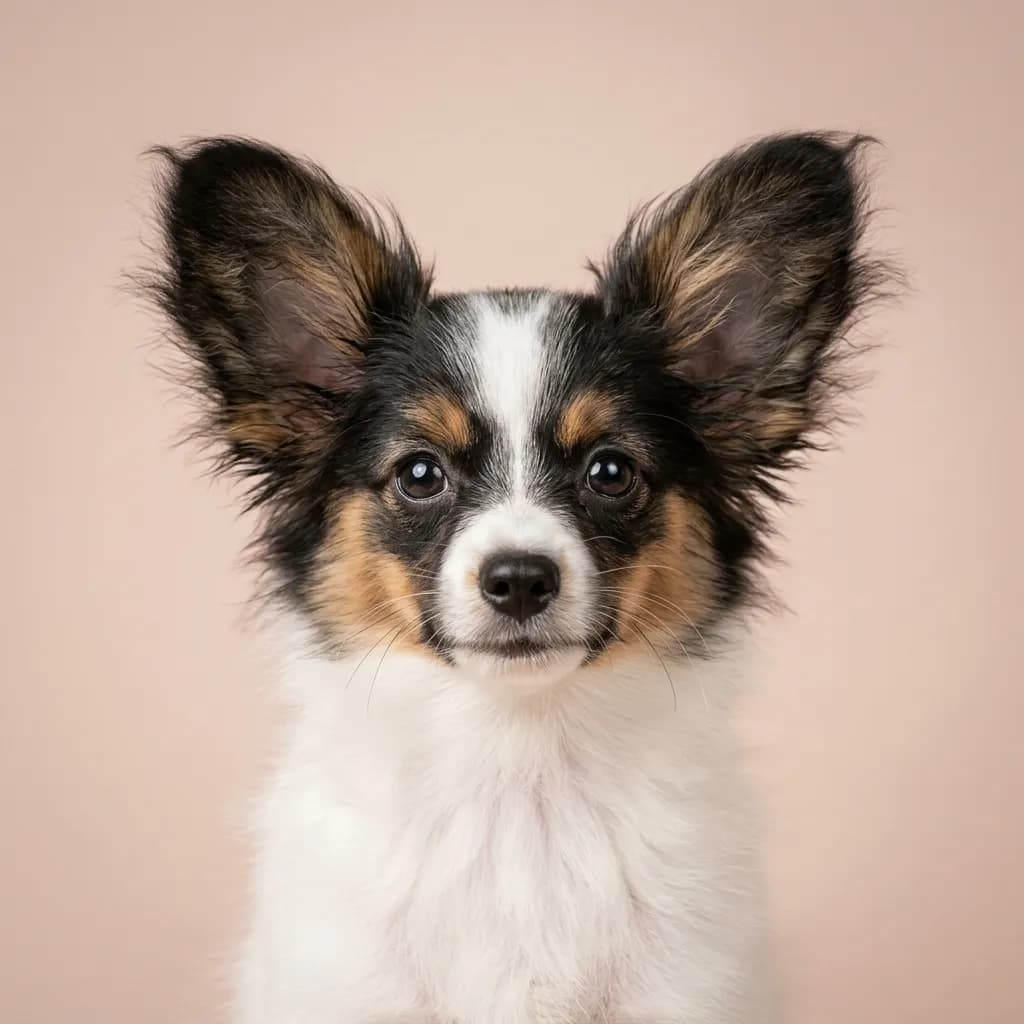
People compare English Foxhounds and Papillons because both are friendly, energetic dogs that bond tightly with their people and happen to weigh about the same as a large bag of dog food. But that’s where the similarities end. One was built to run for miles across open countryside, voice booming as part of a pack. The other was bred to sit on a queen’s lap and look pretty while staying sharp enough to master tricks. If you’re an active family with space, barn access, or a penchant for weekend trail rides, the English Foxhound fits right in. They’re gentle with kids, easygoing with other dogs, and thrive when they’ve got room to move and a job to do. But you’ll never have a quiet backyard; their bark is loud and frequent, and they don’t do well cooped up. Apartment life? Forget it. They need space and activity, plain and simple. The Papillon, on the other hand, packs big-dog energy into a tiny frame. They’re fearless, brainy, and excel in agility or obedience rings. Perfect for city dwellers or anyone who wants a portable, trainable companion. But don’t mistake their size for calmness. They’re alert to everything, bark at anything, and need mental work daily. They’re not ideal for homes with toddlers. they’re more fragile than they look. Here’s the real talk: both breeds are affectionate and smart, but the Foxhound will always have one paw in the wild, drawn by scents and sound. The Papillon is all-in on you, watching your face like you’re giving cues in a silent play. Pick the Foxhound if you love dogs as part of a lifestyle. Pick the Papillon if you want a dog as a constant, clever companion.
Trait-by-trait
Higher bar = more of that trait. Shedding, barking, drooling, grooming flipped for readability.Where they diverge
Choose the English Foxhound if…
- Hunters and equestrian households
- Active families
- Rural environments
- You value good with other dogs — English Foxhound scores noticeably higher.
Choose the Papillon if…
- Apartment living
- Active owners
- Families with older children
- You value coat grooming — Papillon scores higher here.