English Foxhound vs Schipperke
Side-by-side comparison across all 14 AKC trait ratings, with a clear verdict on which breed fits which kind of household.
Not sure which breed fits your life?
Answer five questions about your home, your schedule, and your tolerance for shedding. We’ll match you to your top three breeds from over 200.
English Foxhound vs Schipperke
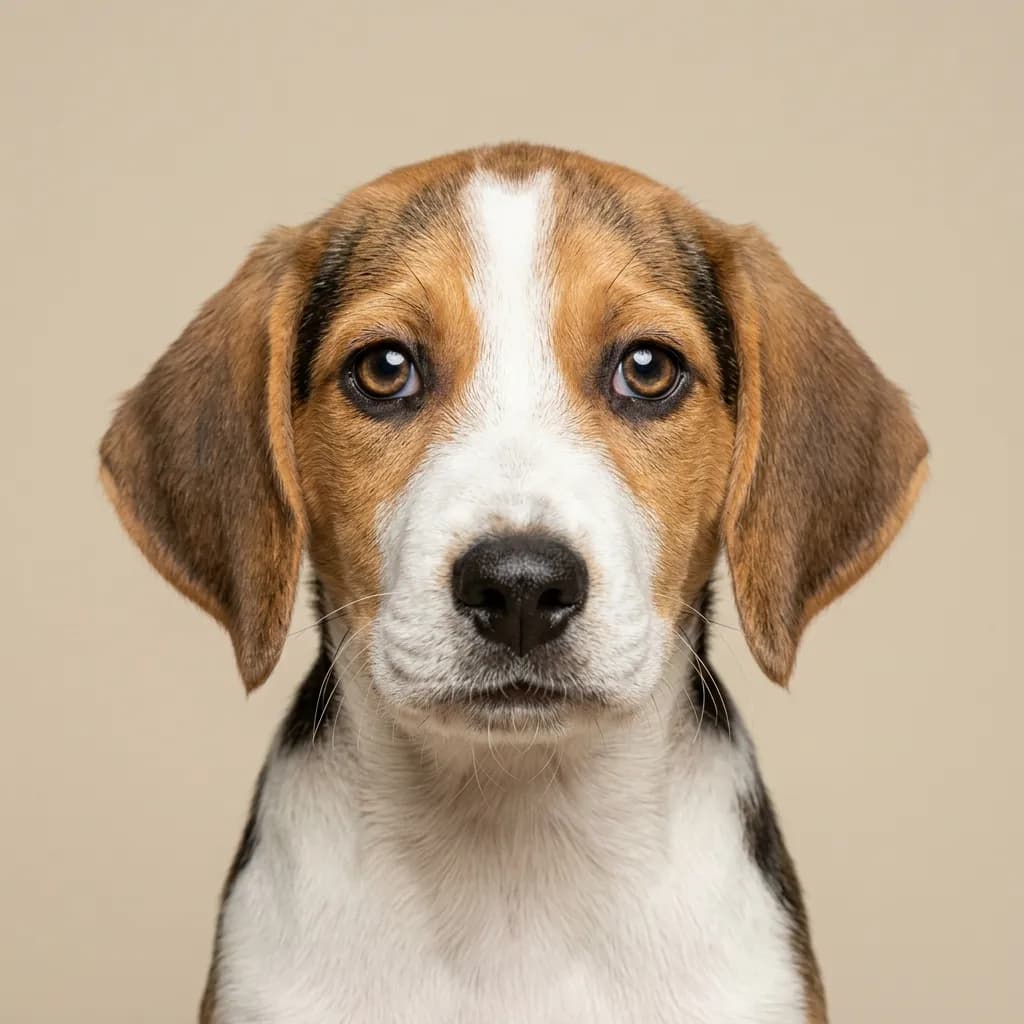
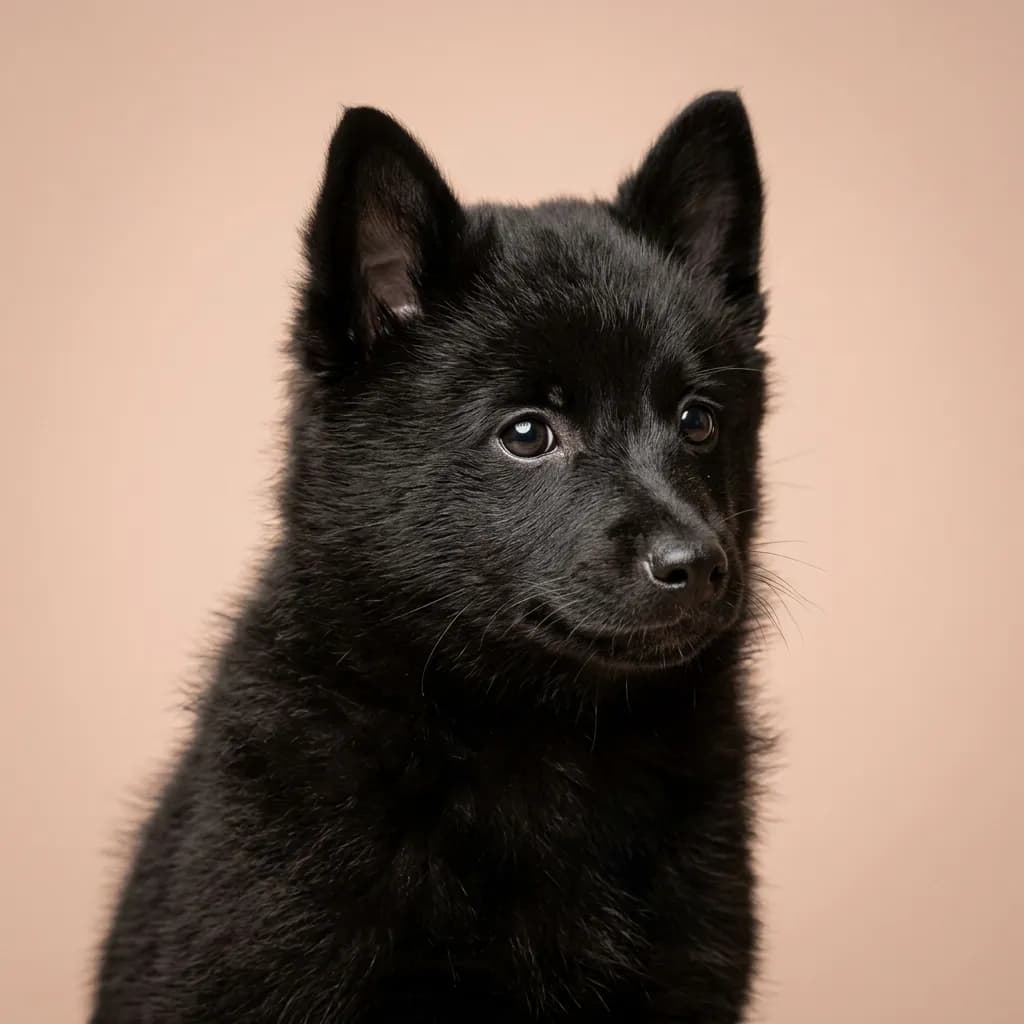
You’re not really comparing these two because they’re similar. You’re looking at them together because you’re torn between two lifestyles. The English Foxhound and the Schipperke don’t share size, history, or even the same kind of energy. But they do share something rare: a deep loyalty that comes with strong wills. Picture this. The Foxhound was built for open fields and long chases, bred to run for miles alongside horses, baying loud enough to be heard a mile away. This dog thrives in a pack, loves kids, and will happily follow you from barn to backyard. But you can’t keep one in a city apartment. They need space, exercise, and companionship. Their bark isn’t occasional. it’s constant. And while they adore people, they’re not the velcro dog that curls up on the couch. They’re more like that fun, outgoing friend who’s always up for an adventure but forgets to text. Now the Schipperke. Think of a tiny, fearless black shadow with a fox-like face and a motor that never quits. Originally guarding Belgian barges, they’re bold, suspicious of strangers, and will bark at a falling leaf. They bond deeply with one or two people and can be snarky with kids under ten. But they adapt well to smaller homes. as long as you take them on walks and give them puzzles to solve. Here’s the real difference: the Foxhound wants to belong to a group. The Schipperke wants to be in charge of his. Pick the Foxhound if you’ve got land, other dogs, and an active life. Pick the Schipperke if you want a small dog with a giant personality and don’t mind a little attitude. Just don’t expect silence from either.
Trait-by-trait
Higher bar = more of that trait. Shedding, barking, drooling, grooming flipped for readability.Where they diverge
Choose the English Foxhound if…
- Hunters and equestrian households
- Active families
- Rural environments
- You value good with young children — English Foxhound scores noticeably higher.
Choose the Schipperke if…
- Active owners
- Those wanting a small but bold breed
- Suburban or rural settings
- You value watchdog / protective — Schipperke scores higher here.