English Toy Spaniel vs Keeshond
Side-by-side comparison across all 14 AKC trait ratings, with a clear verdict on which breed fits which kind of household.

Not sure which breed fits your life?
Answer five questions about your home, your schedule, and your tolerance for shedding. We’ll match you to your top three breeds from over 200.
English Toy Spaniel vs Keeshond
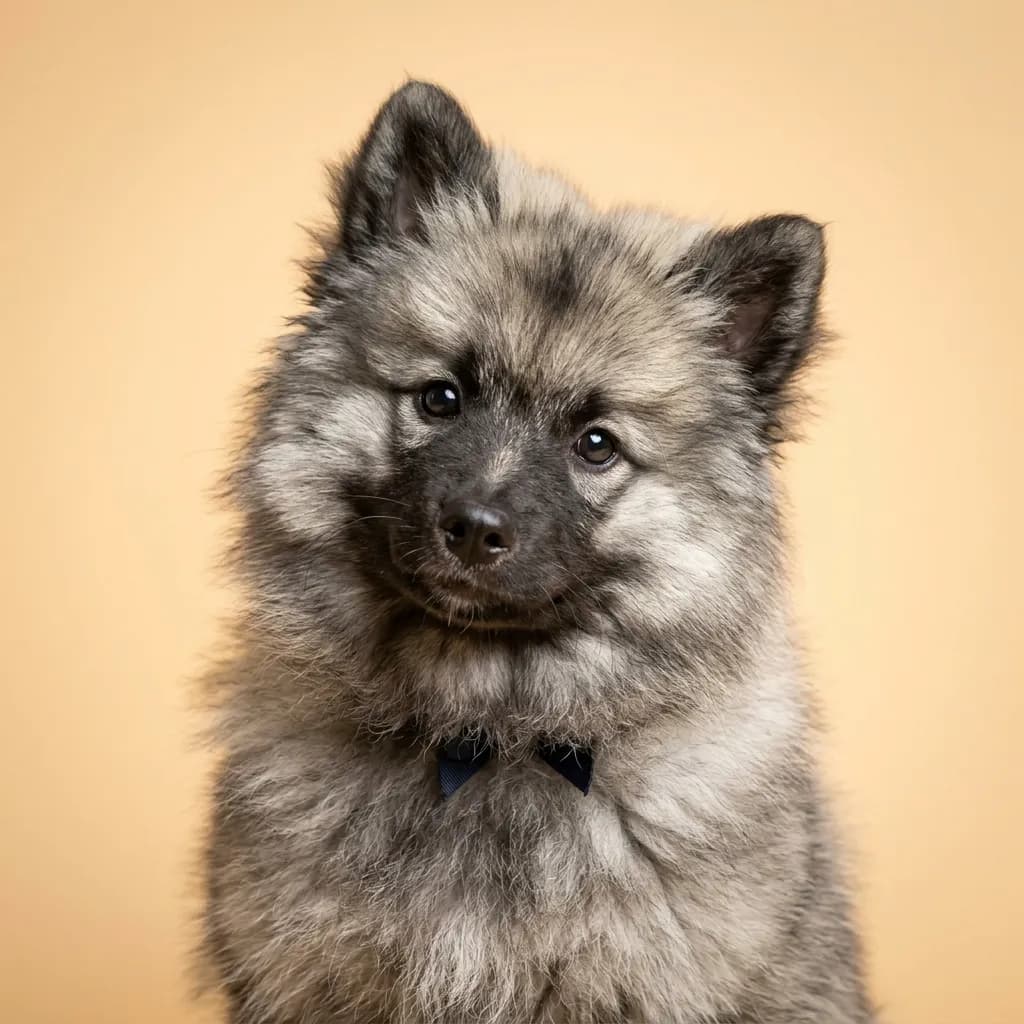
People compare English Toy Spaniels and Keeshonds because both are fluffy, affectionate, and great with families. But that’s where the similarities end. One is a silent, delicate lap warmer built for velvet couches; the other is a bushy-tailed watchdog with a voice and a need to be part of the action. Choosing between them isn’t about preference for fluff or friendliness. it’s about rhythm. You’re picking a lifestyle, not just a dog. The English Toy Spaniel is bred for stillness. At under 14 pounds and with that pushed-in face, they’re happiest curled in your lap, reading with you or napping near your feet. They’re quiet, gentle, and adore calm households. But their flat faces mean they overheat easily. No long hikes in summer. And while they’re sweet with older kids, their fragility makes them a poor match for toddlers who don’t know their own strength. The Keeshond is a different beast entirely. Think 40 pounds of animated teddy bear with a fox face and a plume of a tail. They were bred to patrol Dutch barges, so they’re alert, they bark. often. and they thrive on routine and engagement. They’re smarter and more energetic, eager to learn and quick to notice when something’s off. But that thick double coat? It sheds year-round and blows completely twice a year. You’ll vacuum like you’re in a furry war. Here’s the real talk: The English Toy Spaniel gives you quiet loyalty, but you’ll likely face vet bills for breathing or heart issues down the line. The Keeshond will live longer and be more robust, but you’ll never have a quiet evening. the dog will comment on the mailman, the squirrel, and your choice of TV show. If you want a companion who’s always with you but mostly silent, go Toy Spaniel. If you want a dog that’s part of the family noise, the Keeshond’s your match.
Trait-by-trait
Higher bar = more of that trait. Shedding, barking, drooling, grooming flipped for readability.Where they diverge
Choose the English Toy Spaniel if…
- Apartment living
- Retirees
- Singles and couples
Choose the Keeshond if…
- Families with children
- Active owners
- Cold climates
- You value good with strangers — Keeshond scores higher here.