Eurasier vs Havanese
Side-by-side comparison across all 14 AKC trait ratings, with a clear verdict on which breed fits which kind of household.

Not sure which breed fits your life?
Answer five questions about your home, your schedule, and your tolerance for shedding. We’ll match you to your top three breeds from over 200.
Eurasier vs Havanese
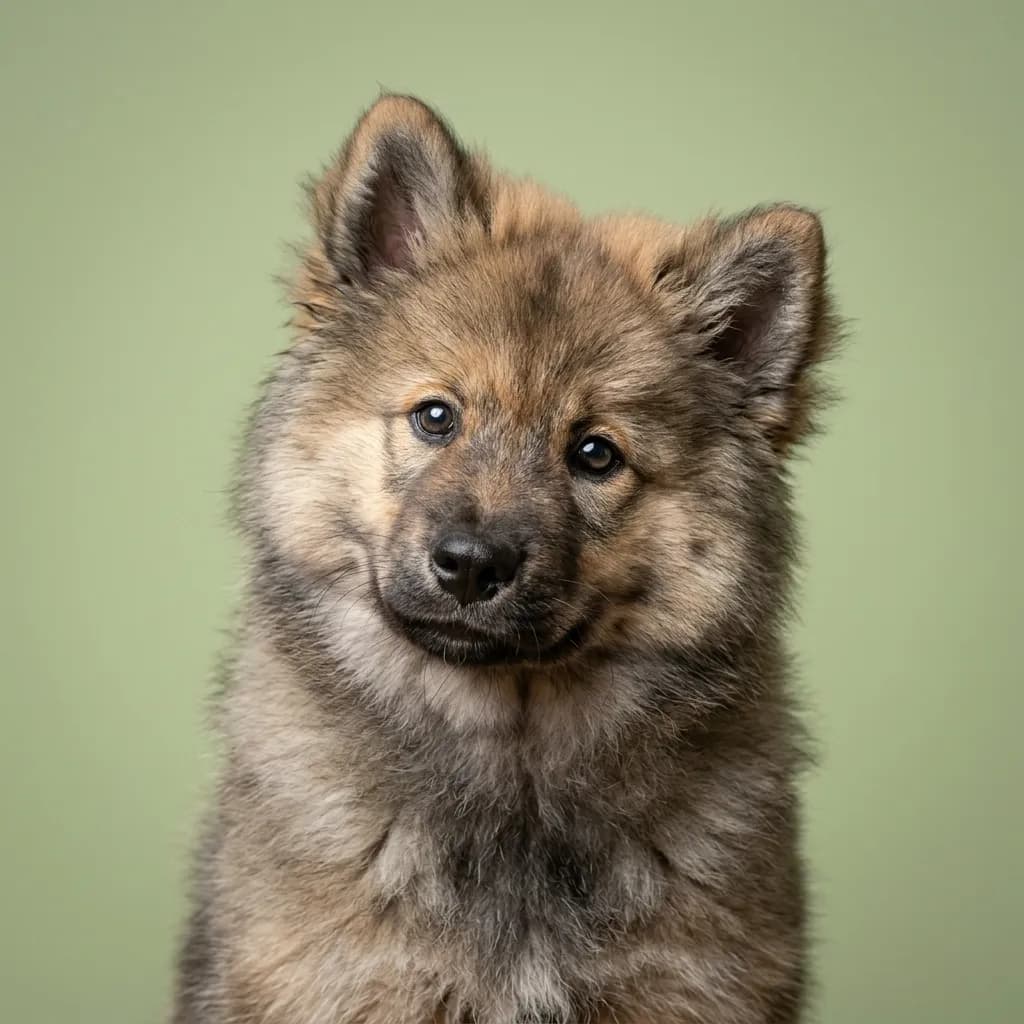
People compare Eurasiers and Havanese because both are fluffy, family-friendly dogs with a soft spot for human connection. On paper, they even share energy and trainability scores. But in real life, they’re nothing alike. Think of it like choosing between a plush armchair and a heated blanket. One is substantial, grounding, built to settle into a room. The other is portable, lively, always looking to curl up in your lap. The Eurasier is a middleweight companion, bred in Germany to be the thoughtful family dog. They’re calm without being lazy, alert without being yappy. You’ll need time to socialize them early. this isn’t a breed that bounces back from shyness easily. They thrive in homes where routines are steady and kids are respectful. If you live somewhere cold, their thick double coat works well, but be prepared to brush them weekly. They’re not barkers by nature, but they notice everything and will let you know when something’s off. The Havanese, on the other hand, is the social butterfly in a tiny coat of hair. They adapt to apartments, road trips, or a house with a yard just as easily. They’re goofballs who want to be involved in every part of your life. Leave them alone too long and they’ll get stressed. this isn’t a dog to leave for 10-hour workdays. Their coat doesn’t shed much, but it mats fast. If you’re not brushing every few days, you’re in for a tangle battle. Here’s the real difference: the Eurasier wants to be your quiet partner in the background. The Havanese wants to be your co-host on the podcast of your life. Pick the Eurasier if you want a dignified, low-drama companion who’ll bond deeply with the whole family. Choose the Havanese if you want a pocket-sized entertainer who’ll charm every person in the grocery store line.
Trait-by-trait
Higher bar = more of that trait. Shedding, barking, drooling, grooming flipped for readability.Where they diverge
Choose the Eurasier if…
- families seeking a calm companion
- homes with children
- experienced but patient owners
- You value shedding level — Eurasier scores noticeably higher.
Choose the Havanese if…
- Apartment dwellers
- Seniors
- Families with children
- You value good with strangers — Havanese scores higher here.