Eurasier vs Keeshond
Side-by-side comparison across all 14 AKC trait ratings, with a clear verdict on which breed fits which kind of household.
Not sure which breed fits your life?
Answer five questions about your home, your schedule, and your tolerance for shedding. We’ll match you to your top three breeds from over 200.
Eurasier vs Keeshond
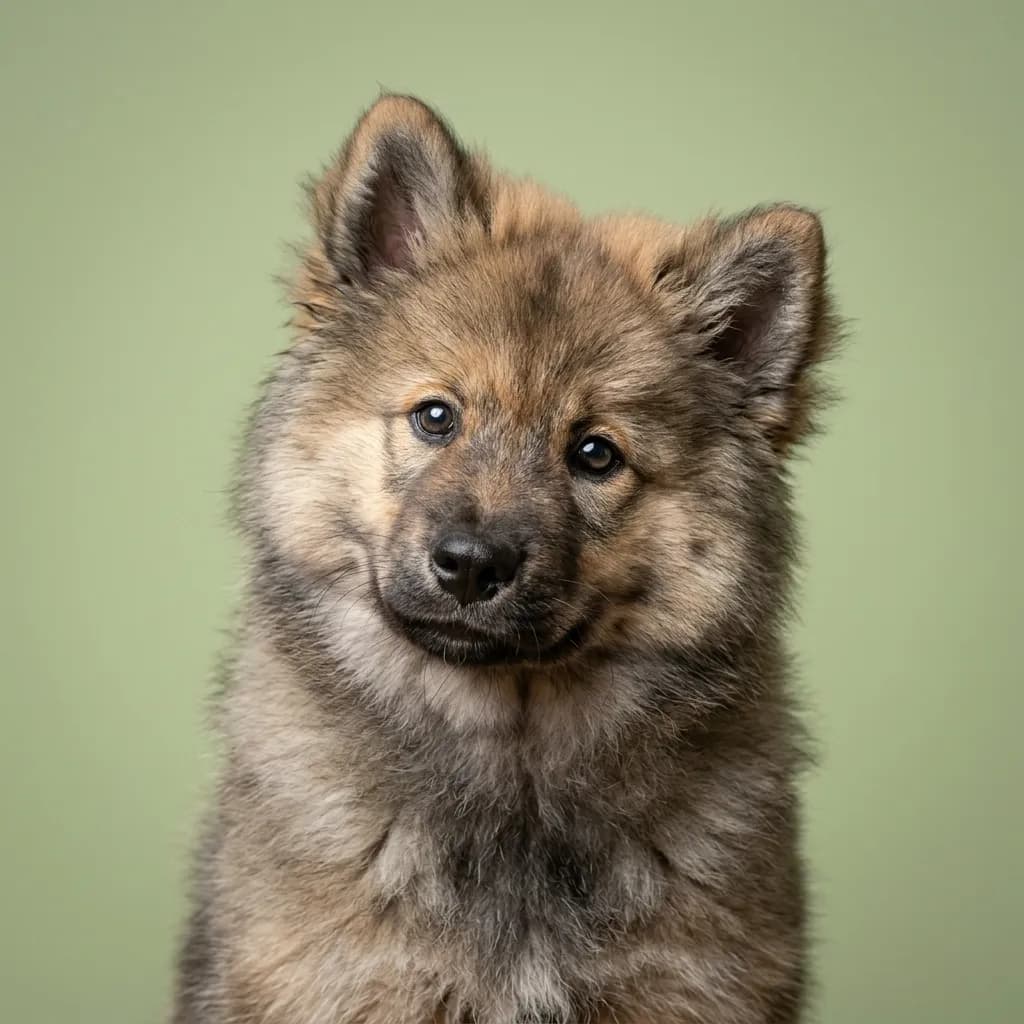
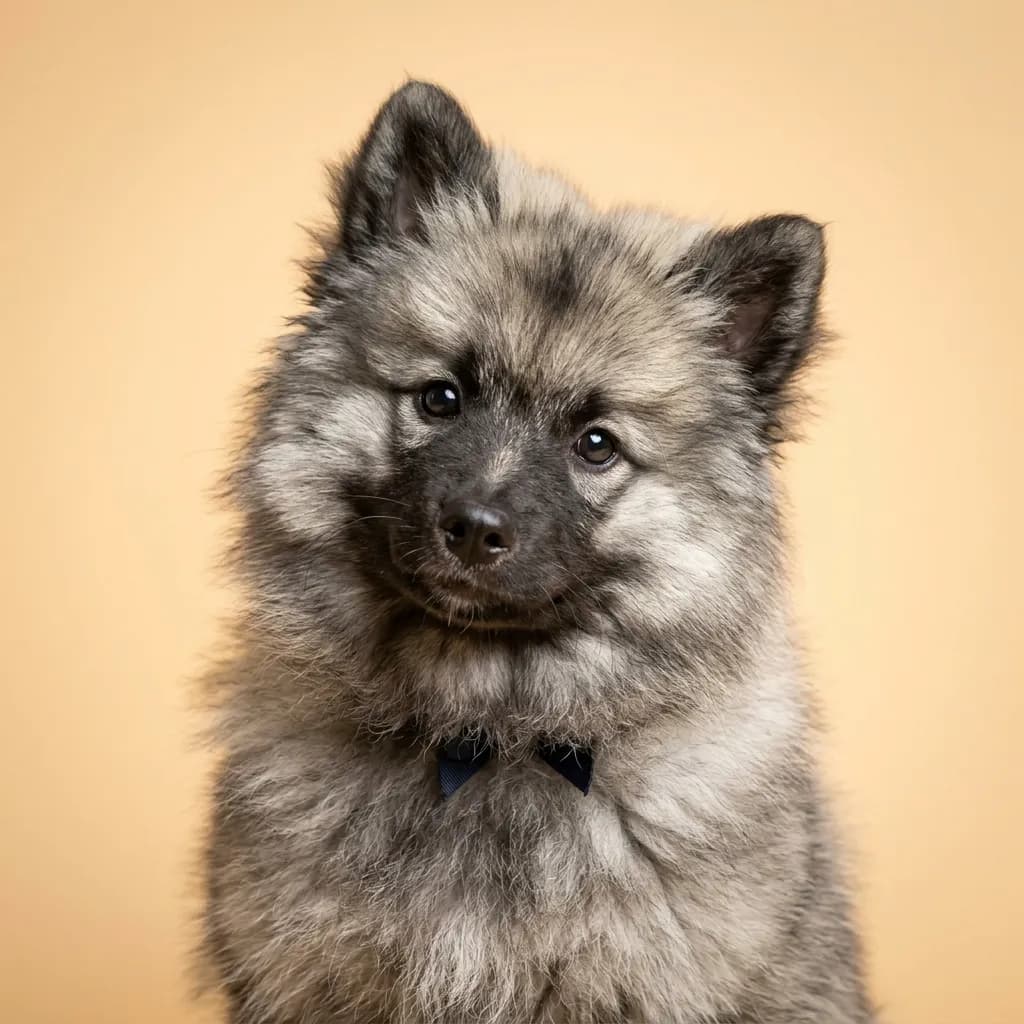
People compare Eurasiers and Keeshonden because they look like long-haired, pointy-eared cousins from the same snowy fairy tale. Both are spitz types with plush coats and curled tails, both hail from German breeding roots, and both thrive in cold weather with families. But spend time with them and you’ll feel how different they are beneath the fluff. The Keeshond is your cheerful, chatty roommate who wants to be involved in everything. They’re eager to learn, quick to bond, and will greet every visitor with a bark and a wag. They adapt well to apartments or houses, and first-time owners often succeed with them because they’re people-pleasing and trainable. But don’t mistake their friendliness for silence. they were bred to alert, and alert they will, often. If you live in a quiet neighborhood or hate surprise serenades at 6 a.m., this matters. The Eurasier is more like a thoughtful, reserved friend who observes before joining the party. Calmer and less vocal, they form deep bonds with their family but need space to feel secure. They’re not as instantly responsive in training, not because they’re stubborn but because they’re contemplative. They thrive with experienced owners who understand that confidence isn’t the same as obedience. Here’s the real difference: the Keeshond wants to be your shadow, always in the action. The Eurasier wants to be near you, but on their terms. If you want a dog that’s always "on," pick the Keeshond. If you value quiet loyalty and a dog that grows into you slowly, the Eurasier will surprise you with their depth. Just don’t expect either to survive a Florida summer without AC.
Trait-by-trait
Higher bar = more of that trait. Shedding, barking, drooling, grooming flipped for readability.Where they diverge
Choose the Eurasier if…
- families seeking a calm companion
- homes with children
- experienced but patient owners
Choose the Keeshond if…
- Families with children
- Active owners
- Cold climates
- You value good with strangers — Keeshond scores higher here.