Eurasier vs Samoyed
Side-by-side comparison across all 14 AKC trait ratings, with a clear verdict on which breed fits which kind of household.

Not sure which breed fits your life?
Answer five questions about your home, your schedule, and your tolerance for shedding. We’ll match you to your top three breeds from over 200.
Eurasier vs Samoyed
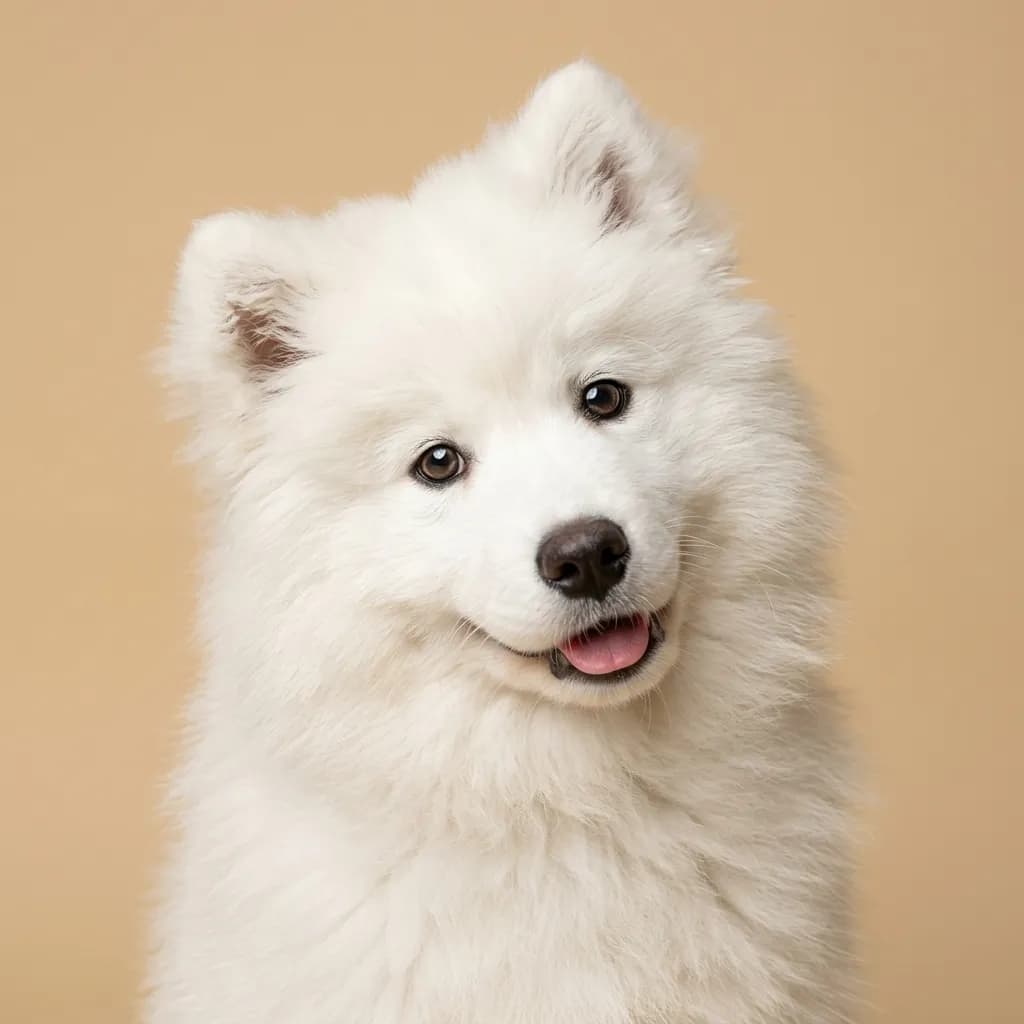
People compare Eurasiers and Samoyeds because they’re both fluffy, spitz-type dogs from cold climates that look like they belong on a snow-covered postcard. At a glance, they seem like variations of the same gentle giant, but live with them, and the differences hit you fast. The Eurasier is the quiet philosopher of the two. Bred in Germany to be a balanced companion, it’s calm without being lazy, affectionate without being clingy. You’ll find it following you from room to room, not because it needs constant attention, but because it genuinely enjoys your presence. It’s the dog that settles. Families who want a steady, thoughtful presence. especially with kids. will appreciate its even temper. But it’s not for the first-time owner. Eurasiers need patient handling and consistent training, and they don’t adapt well to chaos or constant change. The Samoyed, in contrast, is pure joy with fur. Bred for work in Siberia, it’s got energy to burn and a smile that won’t quit. This dog wants to be part of everything, all the time. It’ll bark to tell you the mail arrived, the sun rose, or a leaf fell outside. That friendliness means it’s a terrible guard dog, but an incredible family dog. Kids adore them, and they adore kids. often with equal enthusiasm. Here’s the real difference beyond the stats: the Samoyed will demand your life. It needs activity, engagement, grooming (yes, despite the 3/5 shedding score, that coat is no joke), and it will vocalize its opinions. The Eurasier would rather quietly share it. If you want a dog that enhances your peaceful home, go Eurasier. If you want a dog that amplifies your energy and loves the world, get the Samoyed. Just know. the Samoyed’s price isn’t just in dollars. It’s in daily commitment.
Trait-by-trait
Higher bar = more of that trait. Shedding, barking, drooling, grooming flipped for readability.Where they diverge
Choose the Eurasier if…
- families seeking a calm companion
- homes with children
- experienced but patient owners
- You value drooling level — Eurasier scores noticeably higher.
Choose the Samoyed if…
- Active families
- Cold climate households
- Dog sports enthusiasts
- You value good with strangers — Samoyed scores higher here.