Eurasier vs Schapendoes
Side-by-side comparison across all 14 AKC trait ratings, with a clear verdict on which breed fits which kind of household.

Not sure which breed fits your life?
Answer five questions about your home, your schedule, and your tolerance for shedding. We’ll match you to your top three breeds from over 200.
Eurasier vs Schapendoes
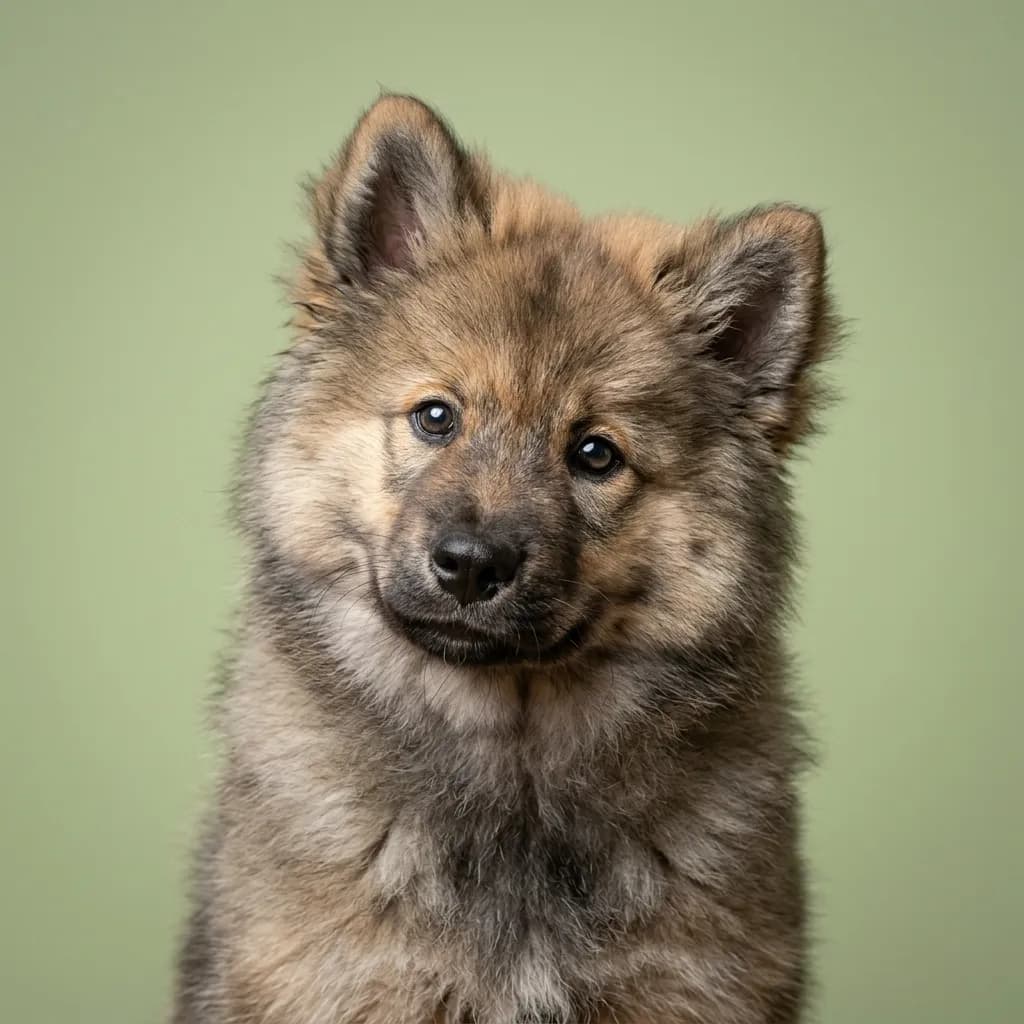
People compare the Eurasier and Schapendoes because they’re both rare, fluffy European breeds with alert eyes and a kind of dignified charm that makes you do a double-take at the dog park. On paper, they look like cousins. They’re both spitz-types, both moderately vocal, and neither will shed the couch into oblivion. But live with either, and you’ll realize they’re built for entirely different lives. The Eurasier is the composed philosopher of the two. Bred to be a calm family companion in post-war Germany, it moves through life at a steady 3 on the energy scale. It’s deeply affectionate but not clingy, confident without being bold. You’ll want at least some dog experience here. its calmness can read as aloofness if you’re not tuned in. It thrives in cold climates and with families who value quiet evenings and thoughtful dogs that bond evenly with everyone. The Schapendoes, though? It’s a spark plug in a wool coat. Originally herding sheep across Dutch fields, it’s got a 4 out of 5 energy level and a trainability score that hits 5. this dog wants to work with you, not just follow. It’s more adaptable to living situations, but don’t be fooled: it needs jobs, games, training puzzles, or it’ll invent its own (usually involving your slippers). It’s goofy, adoring, and thrives in active homes doing dog sports. Here’s the real talk: the Eurasier won’t remind you he’s there unless he needs something. The Schapendoes will wake you up with a toy in his mouth at 6 a.m., grinning like he just solved world peace. Pick the Eurasier if you want a serene, loyal presence. Pick the Schapendoes if you want a partner who turns every walk into an adventure.
Trait-by-trait
Higher bar = more of that trait. Shedding, barking, drooling, grooming flipped for readability.Where they diverge
Choose the Eurasier if…
- families seeking a calm companion
- homes with children
- experienced but patient owners
- You value good with young children — Eurasier scores noticeably higher.
Choose the Schapendoes if…
- active families
- agility and herding sport enthusiasts
- experienced herding breed owners
- You value good with other dogs — Schapendoes scores higher here.