Eurasier vs Working Kelpie
Side-by-side comparison across all 14 AKC trait ratings, with a clear verdict on which breed fits which kind of household.

Not sure which breed fits your life?
Answer five questions about your home, your schedule, and your tolerance for shedding. We’ll match you to your top three breeds from over 200.
Eurasier vs Working Kelpie
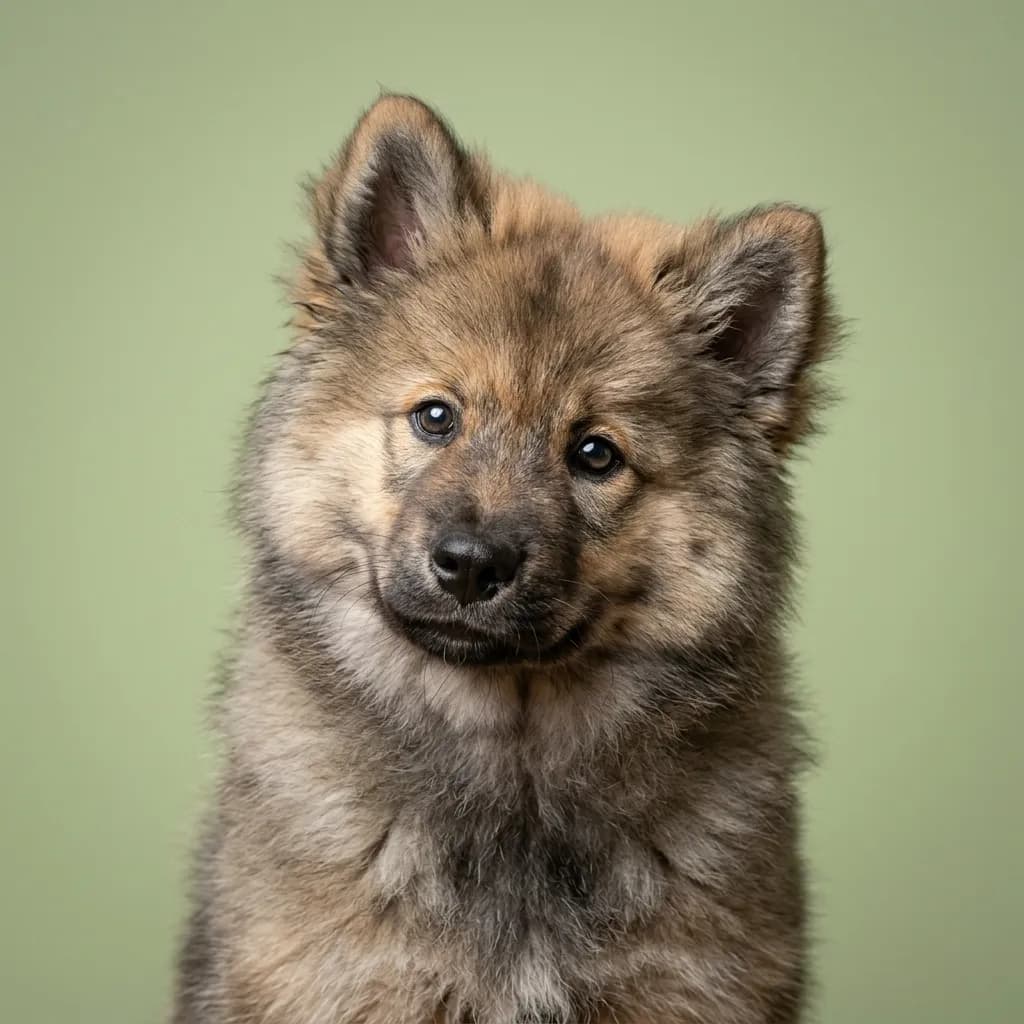
People compare Eurasiers and Working Kelpies because both are medium-sized, energetic enough for active homes, and look vaguely “spitz-like” at a glance. But that’s where the similarities end. These breeds come from entirely different worlds, built for entirely different jobs. Choosing between them isn’t about preference. it’s about lifestyle. The Eurasier is the quiet philosopher of the dog world. Bred in post-war Germany as a calm family companion, it thrives in stable, loving homes where routine and gentle attention are guaranteed. It bonds deeply with its people, shows affection without being clingy, and handles kids with thoughtful patience. You’ll find it snoozing on the rug after a solid walk, not digging holes in the yard at midnight. It’s trainable, yes, but with a quiet independence that asks you to earn its cooperation. This isn’t a dog for beginners who want instant obedience; it’s for those who appreciate emotional depth and quiet confidence. The Working Kelpie, by contrast, is all engine. Born on the Australian outback, it lives to move, think, and work. If the Eurasier is a fireside companion, the Kelpie is a lightning bolt in fur. It needs a job. seriously, a real job. Herding, agility, long-distance trail runs. Without one, it will invent its own, likely involving your chickens or the neighbor’s dog. It’s brilliant, driven, and bonds through shared effort, not just cuddles. Here’s the insight no score captures: the Eurasier wants to be with you, but the Kelpie wants to work with you. Choose the Eurasier if you want a soulful, balanced partner in a quieter life. Pick the Kelpie only if you’re ready to keep up.
Trait-by-trait
Higher bar = more of that trait. Shedding, barking, drooling, grooming flipped for readability.Where they diverge
Choose the Eurasier if…
- families seeking a calm companion
- homes with children
- experienced but patient owners
- You value coat grooming — Eurasier scores noticeably higher.
Choose the Working Kelpie if…
- Farmers and ranchers
- Experienced dog owners
- Active rural lifestyles
- You value good with strangers — Working Kelpie scores higher here.