Finnish Lapphund vs Great Pyrenees
Side-by-side comparison across all 14 AKC trait ratings, with a clear verdict on which breed fits which kind of household.
Not sure which breed fits your life?
Answer five questions about your home, your schedule, and your tolerance for shedding. We’ll match you to your top three breeds from over 200.
Finnish Lapphund vs Great Pyrenees
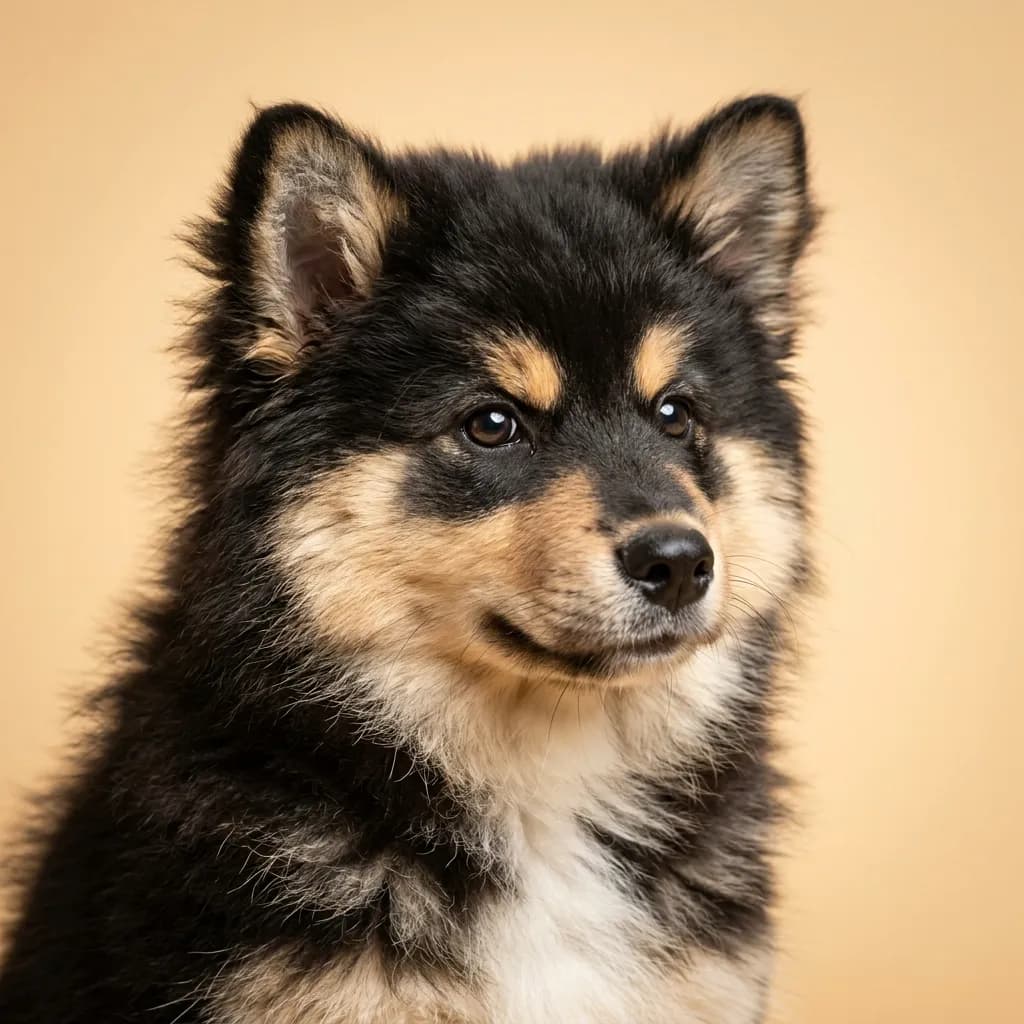
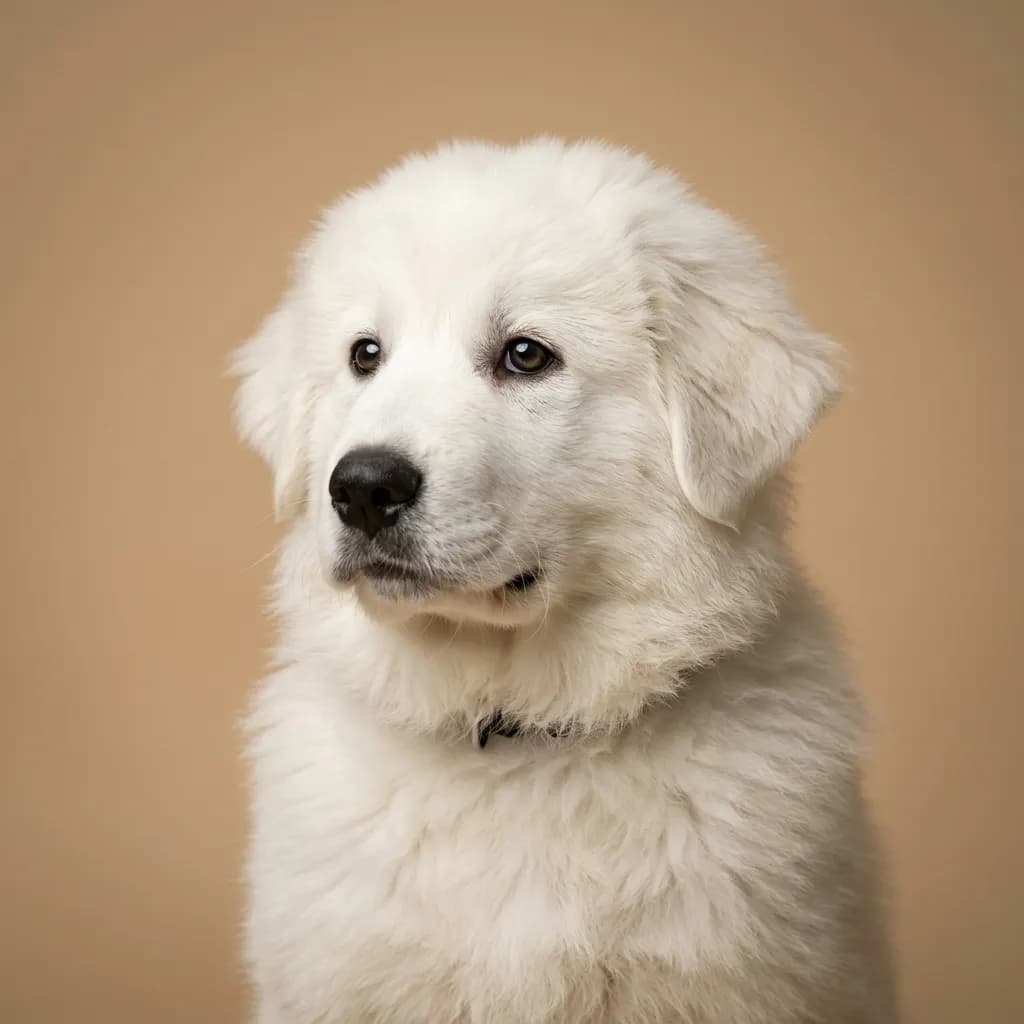
You don’t see many people tossing a coin between a Finnish Lapphund and a Great Pyrenees, but here’s why they end up on the same spreadsheet: both are fluffy, cold-weather specialists from mountain cultures, built for snow and loyalty. People compare them when they want a family-friendly, majestic dog that thrives in chilly climates and doesn’t mind winter walks. But that’s where the similarities frost over. The Lapphund is your agile, talkative neighbor who waves every morning and remembers your dog’s birthday. At 50 pounds max, it’s manageable, eager to learn, and fits in with first-time owners. It’s affectionate to a fault, barks at everything, and needs regular brushing thanks to its thick coat. It’s happiest hiking with the kids or doing agility on weekends. You’ll wear a sweater; it’ll wear a smile. The Great Pyrenees? That’s the stoic, 100-pound guardian who watches the tree line like a sentinel. Bred to work solo at night among sheep, it’s independent to a fault. Training takes patience, and don’t expect it to come when called . that instinct to roam and protect runs deep. It’s gentle with children, yes, but more like a quiet grandfather than a playmate. You don’t own a Pyrenees. You negotiate with it. Here’s the real talk: the Lapphund adapts. The Pyrenees reshapes your life. If you live on a farm with goats or chickens, the Pyrenees is worth its weight in gold. But if you’re in a suburban home without daily livestock duties, you’ll spend your time managing its size, its shedding, and its stubborn streak. Pick the Lapphund if you want a lively, trainable partner. Pick the Pyrenees only if you need . truly need . a guardian soul.
Trait-by-trait
Higher bar = more of that trait. Shedding, barking, drooling, grooming flipped for readability.Where they diverge
Choose the Finnish Lapphund if…
- Active families
- Cold climates
- First-time owners
- You value barking level — Finnish Lapphund scores noticeably higher.
Choose the Great Pyrenees if…
- Livestock guardians
- Rural or farm living
- Families with children
- You value watchdog / protective — Great Pyrenees scores higher here.